


燃料価格が予算を圧迫しているため、トルコ市場は完全な効率性を優先してパフォーマンスを放棄している。 エンジンはサイズの縮小と出力の増加を続けていますが、本当の問題は、これらの機械が消費する液体の金の量がどれほど少ないかです。
データを徹底的に調査して、燃料コストが最も低い車両を見つけました。 これらは単なる理論上の数字ではありません。 財布を傷つけないようにしたいドライバーにとって、彼らは現実世界の候補者です。
価格はトリムとパッケージによって異なることに注意してください。 支払ったものは得られます。
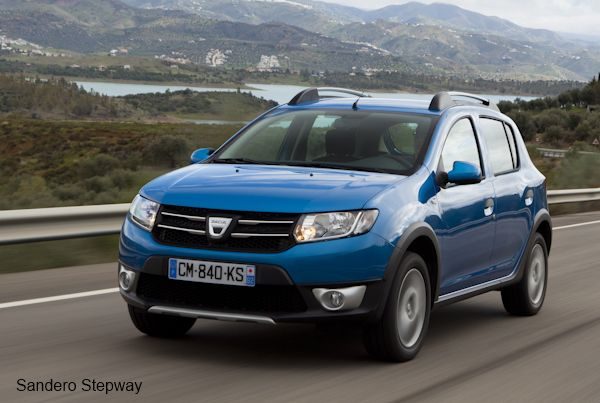
Dacia 新型サンデロ 1.5ディーゼル
The new Sandero has been on sale since 2019 and has become one of the most fuel-efficient options by 2024. You can’t win with speed. You win by saving.
This model is equipped with a 1.5 liter diesel engine. Produces 95 horsepower. 控えめな出力です。 However, the trade-off is significant cost savings.
The volume of the fuel tank is 50 liters. This capacity helps to extend the refueling interval. You can also buy a car with an automatic transmission. 渋滞でクラッチを操作する必要はありません。
According to factory figures, fuel consumption is 4.9 liters per 100 kilometers. This figure is hard to beat in this class.

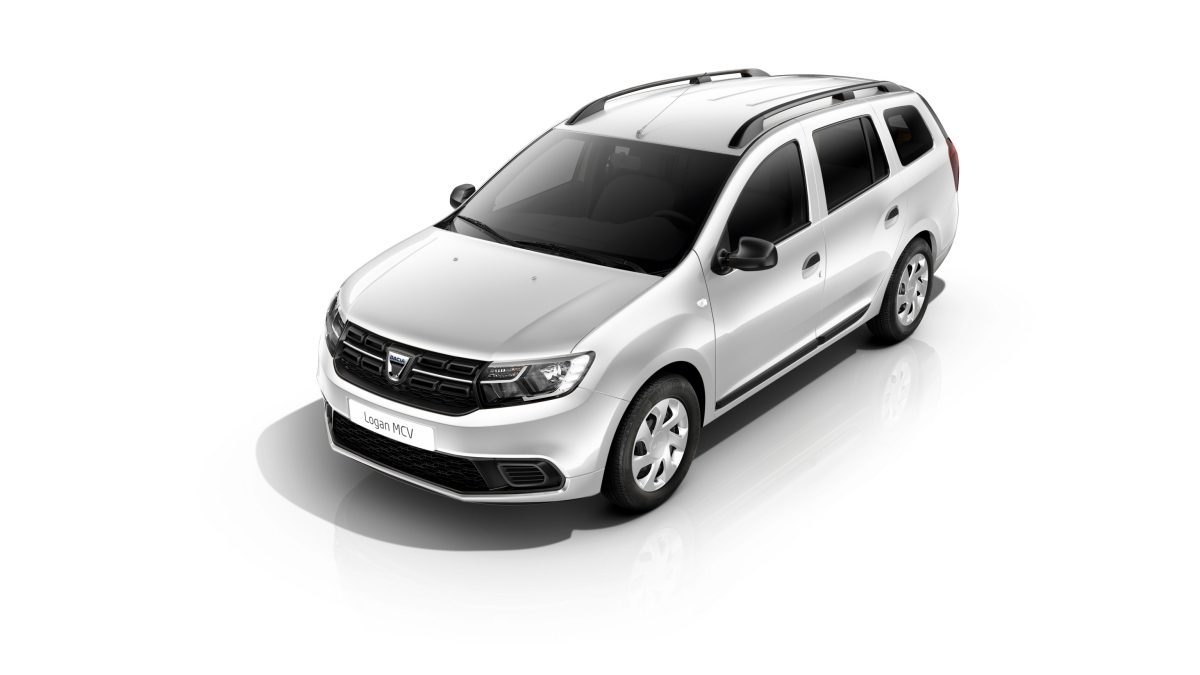
2. Dacia Logan MCV (diesel)
The Dacia Logan MCV doesn’t age gracefully, but it has certainly aged efficiently. Being on the list of the most fuel-efficient cars of 2024 shows that there is still a market for the basic technology. This model is from 2019 and already dominated the “Most Fuel Efficient” list at that time.
Under the hood is a modest 90 horsepower engine. It’s a simple diesel setup mated to a manual transmission. No turbochasing here. All you need is a small 50 liter tank and a motor optimized for one purpose: to keep the pump idle for as long as possible.
Factory data: 4.7L/100km.
This number is not a theoretical average derived from ideal conditions. Manufacturer information. For cars in this segment, weight and aerodynamics are secondary to cost and practicality, and efficiency is the main selling point. It doesn’t offer luxury. It doesn’t offer speed. Provides basic mobility with low operating costs.
Why is this important in 2024? Because the gap between “buying cheap” and “driving cheap” is widening. The Logan MCV bridges that gap with brute simplicity. You get a diesel engine with a reputation for longevity, a manual transmission that needs to be engaged, and fuel economy figures that will make you rethink the meaning of “performance”.
Is 90 horsepower enough? Yes, for city driving and reasonable highway cruising. The engine does not suffer. It just moves. Consumption per 100 kilometers is less than 5 liters. It’s not just numbers in the specs. This is a lifestyle choice for those who prioritize gas prices over brand prices.
The 2019 model year is important because it represents the culmination of this iteration before minor updates or phase-outs change things. It is a relic in the best sense of the word. A car that doesn’t try to be something it’s not. It’s a container that happens to have an engine attached to it. In a market obsessed with electric ranges and self-driving features, such honesty is almost refreshing.
この車は運転を楽しむために運転しているわけではありません。 あなたが車を運転するのは、同じ距離を移動するのに代替手段の料金が 3 倍かかるからです。 4.7L/100kmという数字がフックです。 ディーゼル音、マニュアルシフト、まばらなインテリアなど、その他すべては、その数字を得るために必要なコストにすぎません。

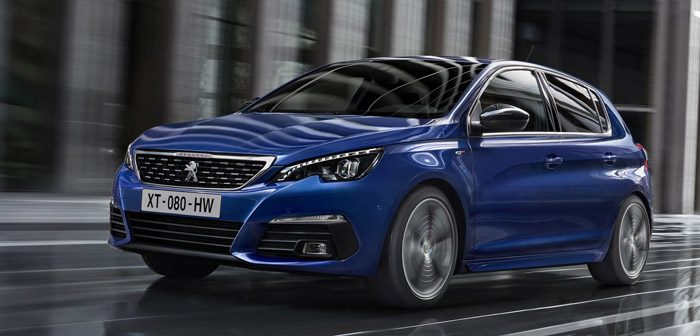
Diesel 308: Efficiency over power
The Peugeot 308 has undergone significant upgrades and has shown why it is still one of the most popular cars on Turkish roads. In this iteration, the regular gasoline engine is replaced by a modest diesel engine. It’s not a performance piece. The power is only 92 horsepower. A manual transmission must be used.
The appeal here is not speed. It’s economy. Peugeot has tuned this 2019 model to sip fuel rather than guzzle it. Peugeot 308 diesel mpg or official factory consumption figures are stark.
3.9 liters per 100 km
That’s a serious figure for a compact car. It’s a statistic that makes highway commuters smile when they fill up.

Peugeot 208 1.6 BlueHDi: the king of diesel efficiency
Peugeot launched the second-generation 208 in 2017. By 2024, the car had established its reputation as one of the most fuel-efficient passenger cars on the road. A special model leading this trend is the 1.6 BlueHDi. It’s a diesel engine, very basic.
Under the hood is a modest 100 horsepower unit. It is not made for circuit driving. It was created to save money at the pump. The volume of the fuel tank is 50 liters. This is the standard B-segment hatchback size. But the interesting things are the consumption data.
**According to factory data, 3.1 liters per 100 km per 100 kilometers. **
This number is not a hypothetical average. This is the manufacturer’s official information. This efficiency is unmatched for motorists who commutes in stop-and-go traffic or long distances on the highway. The combination of a 1.6-liter displacement and BlueHDi emission technology enables such a low combustion rate. If the test cycle is accurate, it actually measures over 75 miles per gallon. Often used in such diesel engines.
Why is this important now? Because fuel prices remain unstable. Drivers are looking for ways to reduce operating costs without compromising too much on utility. The 208 offers this compromise. It is very practical. It is efficient. At 100 horsepower, it’s not that slow. It just wants to glide.
The figure of 3.1 l/100 km shows that the 208 1.6 BlueHDi is still a strong contender for the title of best fuel economy in its class. This is proof of proven diesel technology.
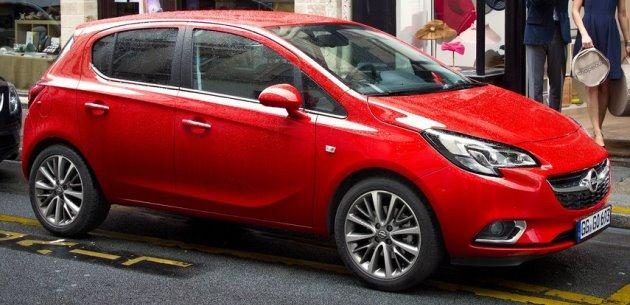
Powerful choice: Opel Corsa 1.3 CDTI
If you are looking for maximum range and minimal stops, the Opel Corsa E 1.3 CDTI is a strong candidate. This diesel model, manufactured between 2015 and 2017, was consistently at the top of the best fuel economy cars list of its era. This isn’t the most powerful car on the market, but it doesn’t have to be. The engine produces a modest 95 horsepower. It does not require constant attention and is sufficient for city traffic or relaxing highway cruising.
The transmission setup is straightforward. Although manual transmissions exist, this article will focus on the automated manual transmissions commonly sold in Europe as “Easytronic”. It shifts itself. In stop-and-go traffic, using the clutch can feel a bit mechanical, but you get the fuel efficiency of a manual transmission and the convenience of an automatic transmission. Uses diesel fuel. The volume of the tank is 44 liters.
Where this car shines is in the numbers. Factory test reports 3.4 liters per 100 km. That is incredibly lean. In real-world driving, this number can be slightly higher due to traffic conditions and driving style, but it’s still one of the most efficient small cars you can buy. It’s not about speed. It’s about using every drop of fuel. For budget-conscious drivers with a lot of miles, the savings add up quickly. Why pay more at the pump when you can pay less per kilometer? Corsa 1.3 CDTI uses hard data to answer this question.

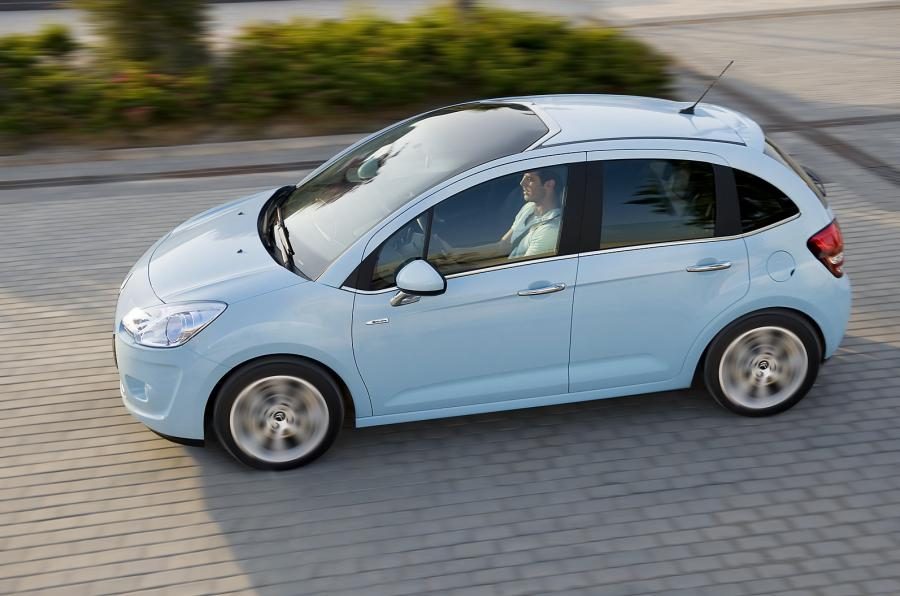
Citroen C3 1.4 Diesel: Affordable commuter
Citroen is not just a name here. It’s a staple. The C3 1.4 Diesel became one of the most common cars on Turkish roads for good reason. It looked fresh when it arrived. But the real attraction wasn’t the style. It was the economy.
Under the hood sat a modest 1.4 liter diesel engine. Power output? A paltry 70 hp. You won’t win a drag race. You win at the gas station. Transmission options were limited, but automatic versions were available for those who wanted to minimize effort in traffic. Fuel consumption was the main thing.
According to factory data, consumption is only 3.7 liters per 100 kilometers. It is efficient. This meant that the car was sold to price-conscious buyers. The model was manufactured in 2011-2014. If you’re looking at the used market, this is your window.
Why does this matter now? Because fuel prices vary, but efficiency remains constant. The C3 1.4 Diesel is still the benchmark for economical city driving. It’s not fast. It’s not loud. It just goes. And not much is required in return.
“3.7 liters per 100 kilometers. It’s the number that defined this generation.”
Is 70 hp enough? As for the city limits, yes. For highway merging, less so. But most buyers in this segment don’t care about highway manners. They care about monthly costs. The diesel engine produces torque where it matters: low RPMs. Drive away from traffic lights without lugging. That’s the diesel promise.
The automatic transmission smooths out the experience. No clutch fatigue in traffic jams. No stalling on hill starts. It adds weight. It increases costs. But it reduces the driver’s workload. For older drivers or daily commuters, this compromise makes sense.
Production ended in 2014, so any C3 1.4 diesel you find today is at least ten years old. Age brings wear and tear. Rust tests are mandatory. The suspension bushings have deteriorated. The fuel filter requires attention. However, the core idea is still: low operating costs.
Now who buys this? Second-hand buyers. Fleet managers. students. Anyone who needs a tool, not a toy. The C3 1.4 Diesel fits this niche. It doesn’t inspire passion. It inspires reliability within strict budgets.
What about the future? Due to stricter emission standards, old diesel vehicles are threatened with restrictions in urban areas. But in the countryside or suburbs they still rule. The 2011-2014 models are transition models. They bridge the gap between old-school mechanical simplicity and modern efficiency requirements.
If you can find one with a clean service record, it’s worth considering. The figure of 3.7 l/100 km is not just marketing. It is measurable. Actual results may vary by 0.5 liters. Still, it surpasses the alternatives in this price range.
C3 1.4 Diesel doesn’t scream. It whispers. And in a world full of expensive noise, whispering can be a virtue.

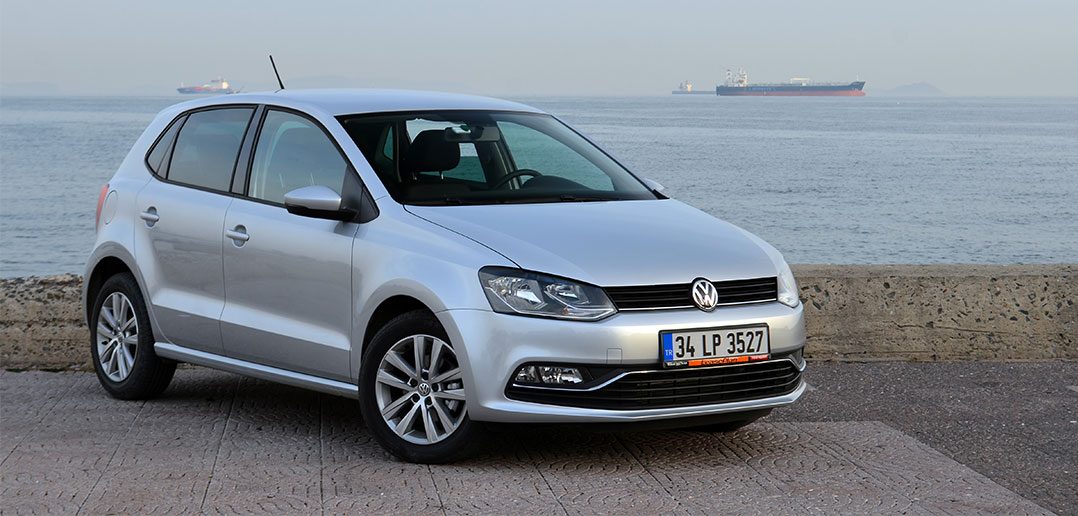
Why the Volkswagen Polo 1.4 TDI is still the benchmark for fuel economy
If you are looking for an affordable used German hatchback, the Volkswagen Polo 1.4 TDI is the best choice. Years after the end of production, this diesel model is still known as one of the most fuel-efficient cars. Volkswagen has long been a mainstay in many markets, and this model stands out because it offers real economy without feeling completely underpowered for the daily commute.
The Polo 1.4 TDI was produced in 2015-2017 and is equipped with a 90 hp engine. It’s not a lot of power for highway overtaking, but it’s perfectly adequate for city driving, where low-end torque is more important than top speed. The engine is mated to a manual transmission, giving you greater control over gear selection to maximize efficiency. Uses Diesel. This is a type of fuel specifically chosen for its density and energy content, which directly translates into better fuel efficiency.
The volume of the fuel tank is 45 liters, which is the standard size of a B-segment hatchback. The combination of tank size and engine efficiency offers considerable range. According to factory figures, the car achieves an impressive fuel economy of 4.2 liters per 100 kilometers.
This number is not just a marketing number. This reflects a car designed to squeeze every drop of energy out of diesel fuel. For enthusiasts who prioritize low running costs over acceleration, the Volkswagen Polo 1.4 TDI is a compelling example. A simple and functional machine. You get the badge, you get build quality, and you get miles that are still competitive with many modern hybrids. The question is not whether it will work, but whether the maintenance costs of older diesel systems are worth the fuel savings.

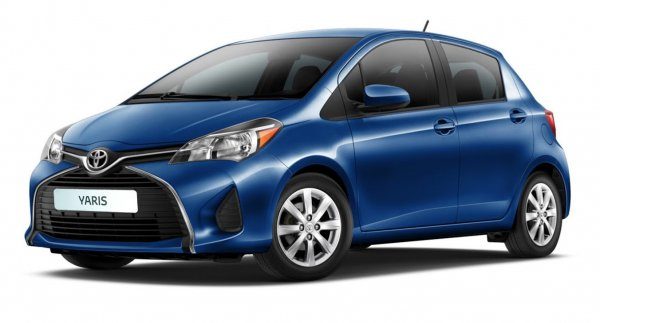
Small three-cylinder workhorse: Toyota Yaris 1.0
Toyota’s little legend has always been doing more with less. The new 1.0 liter petrol Yaris is the best example of this philosophy. It produces only 69 hp. Not much by modern sports car standards, but enough for a certain type of driver. The one for whom efficiency is more important than lap times.
You get a manual transmission. There is no automatic here. Just three pedals and a gear stick. It accelerates the Yaris to a top speed of 155 km/h. This is a respectable figure for a car with a displacement of less than 1000 cc.
Under the hood is a 998 cc three-cylinder engine. Three cylinders. Yes, it vibrates a bit at idle, but that saves weight and complexity. The real selling point is what happens when you drive it. Fuel consumption in city traffic drops to 4.7 liters per 100 kilometers.
This number is not an estimate. It is factory data.
4.7 liters/100 km
Prices vary. They depend on the selected package and accessories. Trim levels shift the cost. But the core remains the same: a small, efficient city commuter with a manual transmission that doesn’t ask for much at the pump.

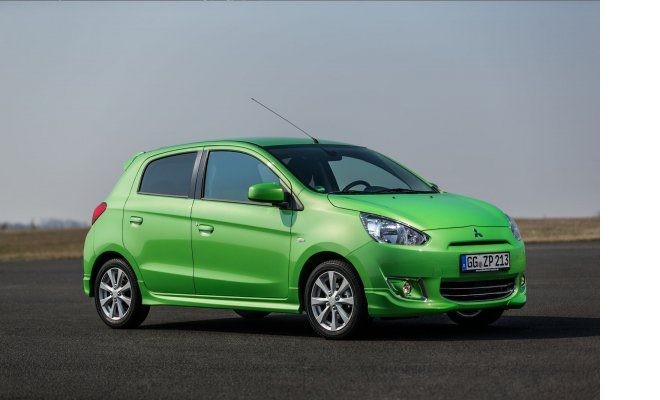
Mitsubishi Space Star 1.2 in the city center
The Mitsubishi Space Star 1.2 80 SP is not about winning drag races. Designed for a different kind of rush. The kind that let you avoid potholes, merge into tight gaps, and stop at every red light without breaking the bank. Under the hood is a small but efficient 1.2-liter three-cylinder engine. Gives 80 horsepower. It’s enough to get you going. Not enough to forget highway etiquette.
Top speed? 173 km/h. Sure, you can hit it. but why? This car is not about top-end thrills. It’s about the urban survival. And fuel consumption.
According to the factory’s official figures, fuel consumption in urban areas is only 4.9 liters per 100 kilometers. This number stays with you. Even in stop-and-go traffic, where most SUVs and large sedans beg for mercy at the pump, the Space Star barely blinks an eye. The automatic transmission enables smooth slow driving. No jerky shifts. No stalling. As you move through the grid, you’ll hear a low, steady hum.
Factory data confirmed: 4.9 l/100 km
Is 80 horsepower not enough? Maybe in a vacuum. But in the city center it is precise. It’s sufficient. This is exactly what you need when brake wear and fuel costs are your main enemies. Space Star 1.2 80 SP is doesn’t shout. It whispers through the streets. Effective. Inconspicuous. Get ready for the next light. And the next. And the next.
Where will you take it next? Highway? the mountains? Or do you just go back to your company parking lot, turn off the engine and wait there? No cost? The choice is yours. But the car already knows the answer. It is made for this purpose.

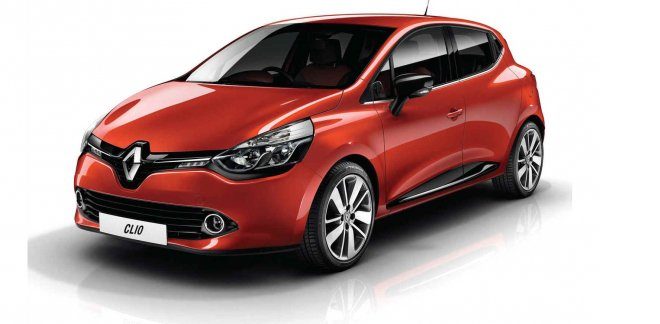
Renault Clio 1.5 dCi 75 hp: Diesel efficiency benchmark
Renault Clio is not only in its fourth generation; It has become the standard in markets where operating costs are important. It’s one of the best cars on the “most fuel efficient” list, so there’s no room for compromise. The secret sauce? 1.5 liter dCi diesel engine.
Let’s look at the numbers. This is not a high-revving monster. This is a 75 horsepower unit designed to sip fuel, not guzzle it. And it does exactly that. According to factory figures, fuel consumption in city driving is only 4.3 liters per 100 kilometers. For people who commute to work every day, this is really great.
Top speed is 168 km/h. It won’t break land speed records, but it’s fast enough to merge and passing. The real win here is balance. Most cars that get this kind of city mileage sacrifice too much in other areas. The Clio’s technology and safety features are matched to higher trim levels, so you don’t have to pay extra for basic transport.
If you’re looking for the most fuel-efficient compact car with a diesel engine, the Clio 1.5 dCi is your first choice. It answers the “how” of low running costs with a simple design: smaller displacement, turbodiesel efficiency and a lightweight frame.
Why is this important? Because fuel prices change, but physics doesn’t. Compared to a comparable gasoline-powered hatchback that uses 6-7 liters of fuel, a car that uses 4.3 liters in the city can save you hundreds or even thousands of dollars over several years.
It’s not a very exciting car. It doesn’t scream. It doesn’t dance. But you can get from point A to point B while keeping your wallet relatively full. In a world where automotive enthusiasm and financial reality often collide, the Clio 1.5 dCi chooses the latter.
“The Clio 1.5 dCi 75 hp is still one of the most fuel-efficient vehicles, with city fuel consumption of just 4.3 liters per 100 kilometers.”

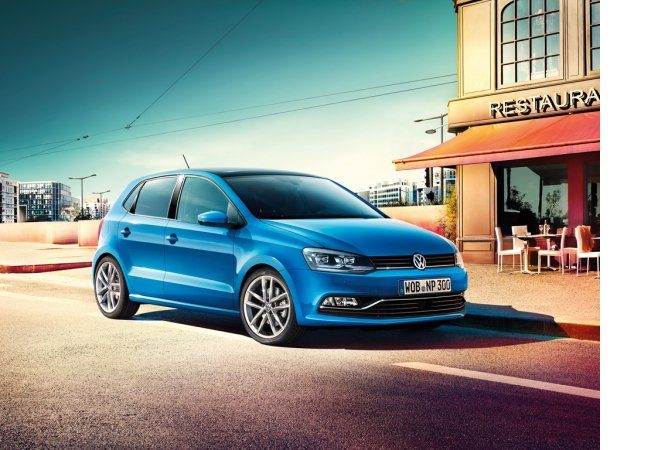
How Volkswagen Polo 1.4 TDi BMT defies physics 4 l/100 km
The Volkswagen Polo is often classified as the smaller sibling of the Golf. This is a fair comparison. The geometry is also similar. The concept is the same. But magic happens, especially with the 1.4-litre TDi engine.
It’s not just diesel. This is the 90 hp version. On paper, 90 horsepower doesn’t seem like much for a car that can reach 117 mph (184 km/h). But context is everything. Polo is very light. It’s small. Cuts through urban gridlock with little effort.
The secret weapon is BMT. This means Bluemotion technology. This is a sign of Volkswagen efficiency. Get the idle stop technology. You get optimized aerodynamics. You can get tires with low rolling resistance. result? Factory fuel consumption is only 4 liters per 100 kilometers.
Why this diesel line-up is important
Most drivers don’t realize how rare 4L/100km is in the real world. Certain conditions are required. City driving. Smooth inputs. A light foot. The BMT system shuts down the engine at idle. It restarts instantly as soon as you release the brake. This saves fuel in stop-and-go traffic. The 1.4TDi engine itself is also great. It doesn’t vibrate or vibrate like the old diesel engines. It hums.
The top speed of 184 km/h is impressive. This is not a hot hatch. It’s not about winning drag races. Get from A to B efficiently. 90 hp is enough to highway merging. overtaking as long as you plan ahead.
Real-world efficiency gap
The factory value indicates 4 liters. In real life it’s probably 4.5. OR 5. Don’t be scared when you see this number. It’s still an anomaly. A supermini getting sub-5L/100km in mixed driving is a technical achievement. The 1.4 TDi BMT keeps that promise. It’s reliable. It’s economical. This is the kind of car that will make you forget about gas for a week.
“The Polo 1.4 TDi BMT proves that you don’t need a huge engine to go further. You just need to use it wisely.”
If you’re looking for a daily driver that won’t drain your wallet at the pump, this is it. 90 horsepower is optimal. As power increases, consumption increases. The lack of power can make driving frustrating. Because of this balance, the Polo remains a mainstay of the European fleet. This is very practical. It’s efficient. It’s quietly competent.

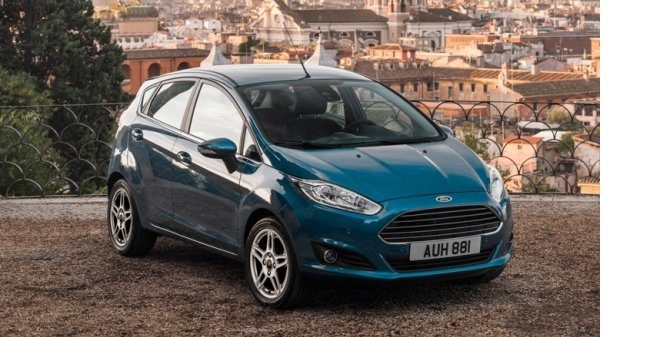
Ford Fiesta 1.5 TDCi 75 hp: efficiency above excitement
There’s a good reason why the new-look Ford Fiesta is turning heads. It’s not just about the sharper lines on the exterior. Interior comfort and fuel efficiency are important selling points. At the heart of this efficiency improvement is the 1.5 TDCi 75 hp engine.
This is a modest unit. 75 horsepower may not sound like much, but it has a purpose. The goal is not to highway dominance. It’s daily reliability and low running costs.
Top speed is 167 km/h. This is enough for legal driving and overtaking on most roads. But the real story is in the consumption data.
This diesel really shines in city driving. According to official factory data, 4.4 liters per 100 km. This is really low. For commuters who paying at the pump every week, this number is more important than 0-100 times.
“The Ford Fiesta delivers satisfaction through its fuel-efficient engine, targeting budget-conscious drivers.”
This engine configuration is for practical buyer. You can get a car that looks modern. You can handles the daily grind without emptying your wallet. If you need power, look elsewhere. this setup makes sense if you want to save money when moving.
The figure of 4.4 l/100 km is a strong benchmark for small cars. It sets clear expectations for what the Fiesta 1.5 TDCi can achieve in urban environments.

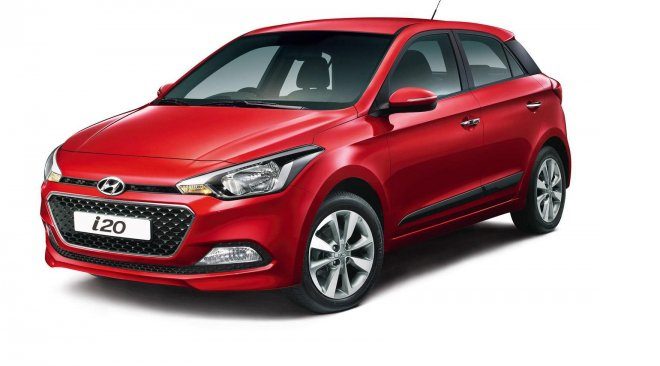
Hyundai i20 1.4 CRDi 90 hp diesel: the king of fuel efficiency
The Hyundai i20 has been turning heads since its debut thanks to the balance of sharp styling and a thoughtful equipment list. It’s not just about looks. The cabin feels resolved. The exterior design is both eye-catching and understated. This balance makes it a strong contender in the supermini segment.
Under the hood, the 1.4-liter CRDi diesel engine takes center stage. Produces 90 horsepower. The torque is 240 newton meters. In everyday driving, this torque figure is more important than the horsepower figure. Low-end grunt allows the car to cruise freely in city traffic without high revs.
Acceleration is moderate. Top speed is 175 km/h. More than enough for highway driving. You can’t win a drag race with this. But it doesn’t have to be. The weight of the car is 1240 kg. It’s pretty light for a diesel hatchback. The reduction in mass makes it easier to use the engine.
The highlight of this car is its fuel economy. Fuel consumption in the city drops to 4.7 liters per 100 kilometers. This is exceptional for a diesel engine of this era. You can drive for days without having to stop at gas stations often. The engine breathes easily. The gearbox shifts smoothly. Everything works as expected.
“The 1.4 CRDi produces 240 Nm of torque and is easy to drive around town despite its modest 90 hp output.”
Why choose diesel for a small car? Range and torque. The refueling distance is long. The torque curve is flat. No need to hunt for gears. This makes commuting in the city less stressful. The i20 1.4 CRDi proves that efficiency and ease of use can coexist. A practical option for drivers who drive a lot of kilometers. It’s not flashy. Just effective. This is usually enough.

New Opel Corsa 1.3 CDTi: Small Footprint, Real Efficiency
This redesign does more than just make the new Opel Corsa look like a scaled-down Astra. This makes it look like a car that really cares about fuel costs. Under the hood is a 1.3 liter CDTi diesel engine. It produces 75 horsepower. Not much by today’s standards, but good enough for an urban cruiser.
Top speed is 164 km/h. On the freeway, as long as you’re in the right lane and not carrying passengers, you’re fine. But the real story is in third gear. Or rather, there is no need for it.
Real world economy and Factory Claims
According to factory data, 4.6 liters per 100 km. In town. Hearing that number makes you a little nervous, doesn’t it? City cycles is tough on diesels due to their DPF regeneration cycles and lower average speeds. But even if you subtract a liter from that estimate in real-world driving, it’s still impressive.
Why is this important? Small cars are often considered inefficient if they add weight for safety or technical reasons. This is not heavy. It is very light. It’s very simple. 1.3 CDTi is a proven device. It’s not trying to be a GTI. It tries to be a bill-payer.
The new Opel Corsa 1.3 CDTi 75 hp offers urban efficiency above its weight class.
For buyers who need a second car. Or a first car. The 75 horsepower version is the starting point. But if you’re counting cents, this is the only point that matters. Design helps. Eliminates the awkwardness of the previous model. The lines are now cleaner. More aggressive. It looks like it costs more than it actually does.
It’s a trick. You can now see Astra’s face. Corsa’s footprint. The diesel’s patience.
Do you think 75 horsepower is not enough power? certainly. You have to wait when you merge onto the highway. You listen to the turbo spool. It’s not fast. But it’s cheap. In a market where every euro counts, this is an effective strategy.
The interior? Basic. But that’s part of the charm. There are no complex displays that could malfunction. There are no weird vents. It’s just a functional dashboard. The material is hard plastic. Expected. acceptable.
Where does it shine? Urban commuting. Park in a narrow alley. Driven at 50 km/h. That’s its home. 4.6 l/100 km is more than just a number. It’s a lifestyle choice. If you choose this, you choose not to consider gas stations.
Is it perfect? No. The ride can be firm on smaller wheels. The cabin noise is not quiet on the highway. But these are compromises. You are buying practicality disguised as style.
That’s the point. The new Corsa doesn’t try to be your dream car. It’s trying to be your next car. The one you don’t stress about. The one that just goes.
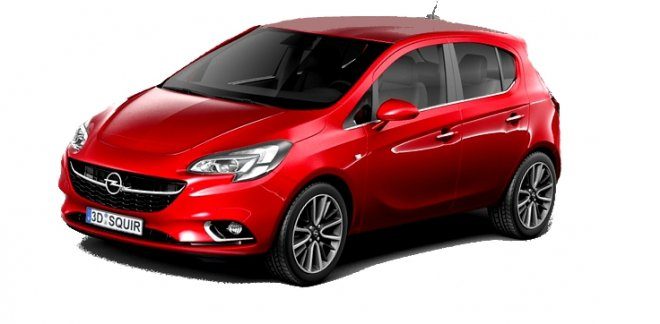
Kia Rio Hatchback 1.4 CRDi: Efficiency above excitement
The Kia Rio hatchback is not about winning races. It tries to keep your wallet full. This is the idea behind the 1.4-liter CRDi diesel. Produces 90 horsepower instantly. This is not a sprinter. Instead, the engine produces 220 Nm of torque. This is more than enough to power a compact car without screaming for fuel.
Top speed is 172 km/h. Performance on paper isn’t impressive if you care about track days. But this is a really important part for daily drivers. Fuel consumption drops to just 5.0 liters per 100 kilometers in the city.
Factory data confirms efficiency. These figures correspond to real expectations of around 5 liters per 100 kilometers. That’s the sweet spot. There is enough power when merging onto the highway. Driving through traffic can save you money. Rio HB 1.4 CRDi Understand this formula. It doesn’t complicate things or cause unnecessary complexity. Just a small engine. Compact platform. And a tank that refuses to empty quickly.
Aren’t you excited? No, but is it smart? Absolutely.
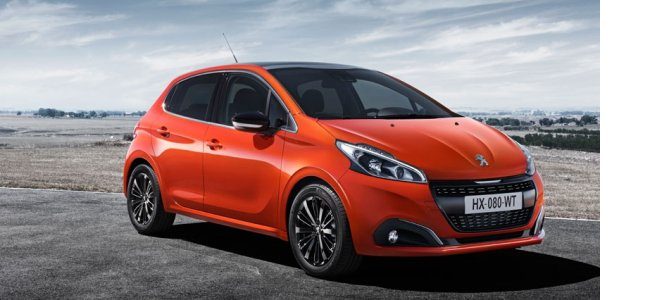
Peugeot 208 1.4 HDi 68 PS: Diesel Commuter’s Delight
The Peugeot 208 shed its skin. The new body is more than just a facelift. It actually looks good. But let’s get to the heart of the matter: the engine. Under the hood is a 1.4 liter HDi diesel engine. This is a modest unit.
68 horsepower. that’s it.
You won’t be racing anyone. Top speed is 163 km/h (101 mph). No speed records will be broken. But does it matter? not much. This car was never built for the track. It was built for the daily grind.
And for that, it excels.
The 208 1.4 HDi excels in fuel efficiency. City driving? Expect about 4.4 liters per 100 kilometers. That’s frugal. Very thrifty. Your wallet will heave a sigh of relief every time you fill it. Why? This is because diesel prices vary, but tend to be better when you drive long stop-and-go miles.
Factory data confirms this. 4.4 liters per 100 km is the official figure. Real-world driving might vary slightly, but the efficiency is undeniable.
“The 1.4 HDi is not about excitement, it’s about durability.”
This is a tool. A comfortable, stylish and economical tool. If you spend half your life in the city, this package is for you. The power is low. Torque is good. Consumption is low. That’s the compromise.
You give up rushing. You get the savings.
For many people, this is a fair trade. The 208 looks sharp. It drives smoothly. And it’s not that demanding.

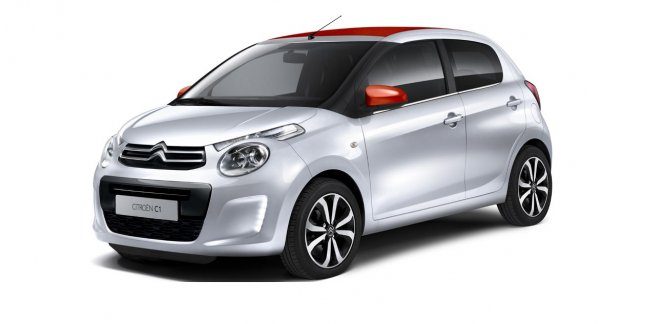
Citroën C1 1.0 VTi 68 PS: redefining urban efficiency
Citroën C1 has given up its old skin. It’s not just an entry-level hatchback anymore. As a tribute to the technically heavy compact segment, it now has a sleeker body and is sharper. But the real story here isn’t the cosmetic upgrades, it’s the powertrain. Under the hood is a 1.0 liter VTi petrol engine capable of producing 68 horsepower.
This is a small engine. Even if it’s small. However, you can spin this light chassis up to a top speed of 157 km/h. That’s impressive for an urban run, especially considering the technical limitations.
The magic number is weight. The curb weight of the C1 is only 860 kg.
“Lightness is the ultimate luxury for city driving.”
This low mass reduces fuel consumption to only 5.0 liters per 100 km in city driving. This is very effective for stop-and-go drivers. The official factory figures back this up, citing 5L/100km as a benchmark for real city efficiency.
Combined with an automatic transmission, the driving experience loses some mechanical feedback, but offers more comfort. Never lose power. Shift gears for a smoother (but slightly less attractive) commute. 68 hp may not seem like a lot on paper, but it feels like enough for this light car. That’s more than enough.
Is it fast? No. Is it practical? completely. The 1.0 VTi prioritizes economy and agility over outright speed, making it a viable option for users who value low running costs over performance. The Citroën C1 is still a strong competitor in the A segment. Not because it is exciting, but because it is economical, compact and its size is amazing.
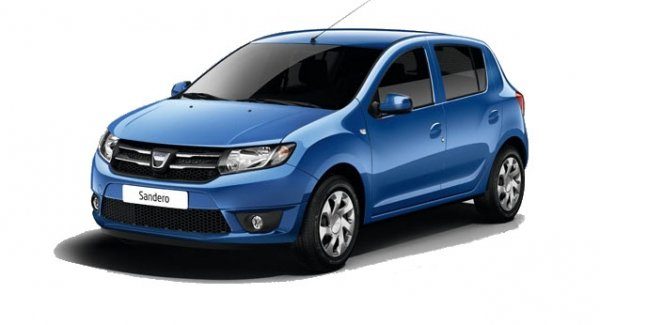
Dacia Sandero 1.5 dCi 75 hp: benchmark for affordable diesels
The Dacia Sandero carries Renault’s engineering DNA but strips away the premium markup to make it more affordable. At the heart of this entry-level hatchback is the familiar 1.5 dCi diesel engine. It is by no means a high-performance unit. It produces a modest 75 PS.
The transmission is connected to a standard manual transmission. Top speed is strictly limited to 164 km/h. This is not a car for highway blasting. You can get from point A to point B without burning a hole in your pocket.
The second generation Sandero won over critics with its cleaner and more modern design language. Compared to its predecessor, it looks less like a budget car. But the real headline is efficiency.
Real world fuel economy
Factory data confirms what you need to know most about this setup. Fuel consumption in the city is 4.4 l/100 km.
This is a very low value for a diesel car. This makes the Sandero 1.5 dCi a strong contender for those who prioritize running costs over driving dynamics. You are buying a tool. A reliable and efficient tool.
** Manufacturer specs: 4.4 l/100 km**

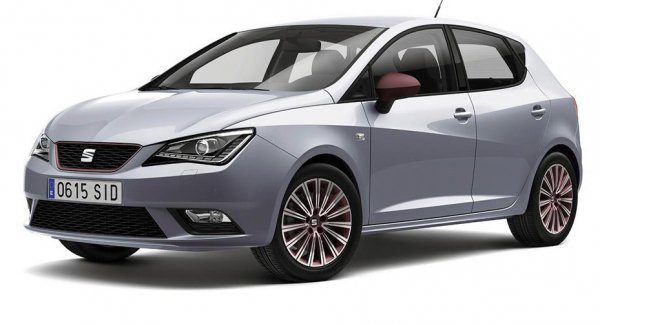
1.4 TDI proves Volkswagen’s influence
When SEAT joined the Volkswagen group, the changes were more than superficial. The Ibiza has received a complete makeover, including new lines, better materials and a powertrain line-up that finally matches the quality of its marque. At the heart of the volume sellers was the 1.4 TDI.
This is a modest setup on paper. 90 horsepower is enough to get you going, but it won’t win a drag race. However, the torque numbers tell a more interesting story. 230 Nm torque is enough for a small hatchback. This means you don’t have to rev the engine out when exiting traffic lights or merging onto the highway. It pulls hard from low revs.
Top speed is 182 km/h. More importantly, this car excels in efficiency. The city’s official consumption figure drops to 4.6 liters per 100 km. This is not just a good thing. This is very practical. This engine makes sense in areas where fuel prices can strain the budget. It’s not about speed. This ensures that driving long distances won’t hurt your wallet.
Verified factory data: 4.6 l/100 km in city conditions.
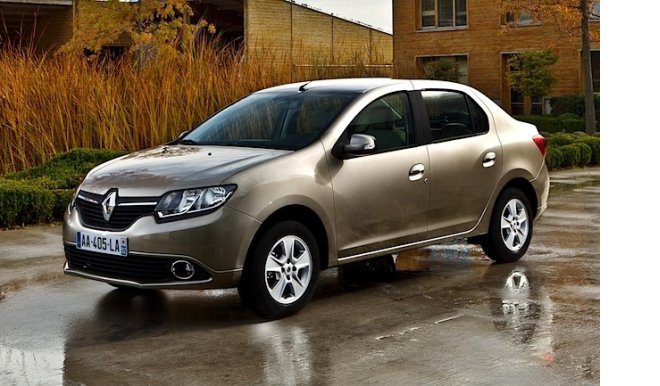
Renault Clio Symbol 1.5 dCi Diesel Review
Renault Clio Symbol remains a basic product in our market and is constantly one of the most popular options. This latest version has shed its older skin for a sharper and more aggressive. Under the hood is the proven 1.5 dCi engine. Produces 90 horsepower.
The drivetrain, mated to a standard manual transmission, is not designed for the track. Top speed is 167 km/h. That’s more than enough for highway cruising instead of passing trucks at full speed.
What’s really great is its efficiency. The fuel economy numbers are really impressive. In city driving, the Clio Symbol consumes only 4.4 liters per 100 km. This is not just a good thing. It’s competitive.
Verified factory data: 4.4 l/100 km
The main selling point of diesel hatchbacks intended for the daily commute is efficiency. You’ll pay a little extra upfront to buy a diesel engine, but over time your fuel costs will drop significantly. Is it the fastest car in its class? No. Is it the most exciting? Not really. However, if you’re looking for a machine that’s reliable, cheap to run, and looks good, this setup will do the trick. The 1.5 dCi engine has been in use for several years. It’s proven. It has a lower failure rate than newer, more complex turbochargers.
A manual transmission adds a level that an automatic transmission doesn’t have. You are part of the process. Shift down. Listen to the sound of the engine. Feel the torque kick in. Not much, but it’s clear. The figure of 90 horsepower feels adequate in real traffic situations. It’s not slow, just restrained.
The city fuel consumption of 4.4 liters is second to none for this engine. it’ll likely drop even lower on highways. This is the advantage of diesel engines. High compression. Efficient combustion. Less fuel burned per mile.
This makes it a strong contender for budget-conscious drivers who want some power for highway merging. It’s a compromise, but a wise choice. With updated styling, it blends in rather than stands out. This could be just what you want. Inconspicuous. Operating costs are low. That’s the formula.

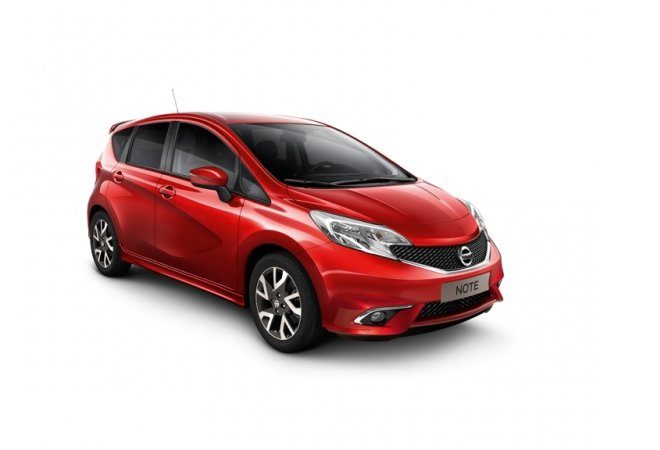
Nissan Note 1.5 dCi: the king of diesel efficiency
When Nissan changed its design language, the Note not only followed suit, but took full advantage of it. The result is a boxier, more futuristic silhouette that really makes sense for the urban runner. Under the hood is a reliable 1.5-liter dCi diesel engine that produces a modest 90 horsepower. Not a sprinter. However, the top speed is 179 km/h, which is enough if you drive in traffic jams instead of mountain passes.
The real issue here is fuel economy. City driving calls for stop-and-go efficiency, and this little Nissan delivers. According to factory data, the fuel consumption is only 4.2 liters per 100 kilometers. In a segment where city cars often sacrifice space and economy, the Note 1.5 dCi stands out as one of the most economical options.
Factory value: 4.2L/100km
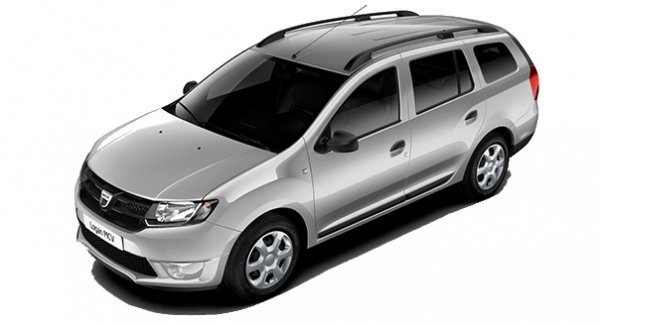
Dacia Logan MCV 1.5 dCi 75 hp: A practical choice for high mileage
The station wagon version of the Dacia Logan (dubbed the MCV) has a solid fan base here for one simple reason: space. Families tired of packing their lives into trunks smaller than a refrigerator have found refuge in this body style. It’s not about speed. It means carrying everything and leaving nothing behind.
A 1.5-liter diesel engine is installed under the hood. It has 75 horsepower, so it won’t set your hair on fire. But it is reliable. The car’s top speed rises to 164 km/h, which is enough for connecting roads and cross-country trips. But the real headline is efficiency.
Fuel consumption in city driving is only 4.4 liters per 100 km. That number is hard to beat in this segment. A large trunk and fuel costs will not affect your wallet much. This is a practical solution.
Factory Data Note: 4.4 L/100 km.
Cactus 1.2 PureTech: Polar shape with powerful core
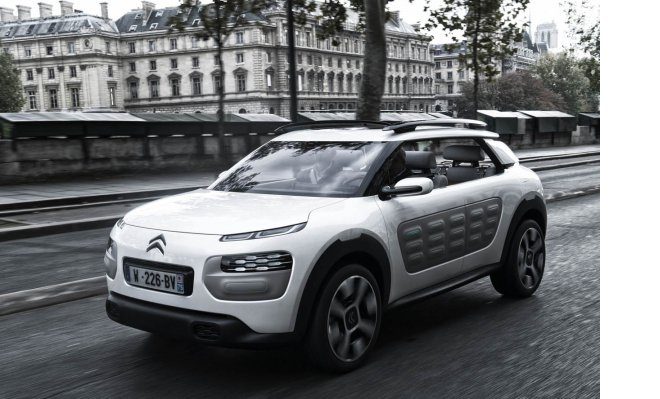
Citroën’s cactus is famously impossible to ignore. Initially as a concept car, it was later released to the world, but opinions were divided about this move. Some people like its thick armored look. Others thought it looked like a baby tractor. But if you put style arguments aside, you’ll find a genuinely competent machine under the plastic exterior.
We are considering the 1.2 e-VTi Pure Tech version with an 82 hp engine. It was a small three-cylinder unit that ran on gasoline. Although these numbers are small, they are enough to fulfill the city duty. It produces 82 horsepower. Not enough to scare you at a red light, but enough to get the job done. Top speed easily reaches 172 km/h. You won’t win highway races, but you won’t get stuck in traffic either.
The highlight of this car is its fuel economy. The factory claims 5.0 liters per 100 km in the city. That is tight. But there’s a problem. Official information depends heavily on Start/Stop System functionality. If you drive carefully and leave the engine off at traffic lights, you will see these numbers. Drive hard? Expect them to go up.
Factory data: 5.0 l/100 km combined city driving.
Why is the 1.2 liter engine important?
The 1.2 e-VTi Pure Tech engine is Citroen’s attempt to make small cars efficient without sacrificing too much soul. It uses direct injection technology and a turbocharger that squeezes out every drop of fuel to produce power. Its 82 horsepower is less than some competitors in its class, but the torque curve is smooth enough for city driving.
The automatic transmission is a CVT (Continuously Variable Transmission). It keeps the engine in an optimal position and achieves low fuel consumption. But it also means that the driving experience is smooth. And it’s boring. If you’re looking for a gear change, this isn’t for you. Perfect if you want to get from point A to point B with minimal refueling.
The start/stop function is important here. The motor stops when it comes to a complete stop. Restarts are quick thanks to the upgraded starter motor and battery. Turn it off, though, and the 5.0L/100km claim is harder to justify.
Are cacti worth it?
Cactus is a niche vehicle. It doesn’t apply to everyone. For traditionalists, this design is unacceptable. The inner material is hard plastic, but durable. The “Airbumps” on the sides are perfect for car park door dents. Because it absorbs shocks, your paint doesn’t have to.
For city drivers Citroën Cactus 1.2 e-VTi Pure Tech is a strong candidate. Operating costs are low. Small footprint. Parking is easy. 82 PS is enough for most daily tasks. The maximum speed is 172 km/h, which is enough for legal driving. When the idle stop system is activated, fuel efficiency is an astonishing 5.0L/100km.
It is

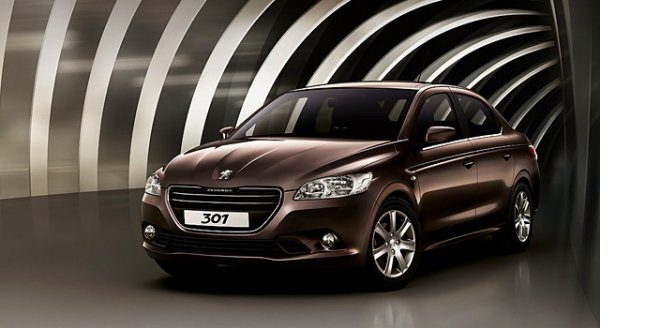
Peugeot 301 1.6 HDi: economical diesel sedan
Peugeot didn’t just call the 301 obsolete by putting the badge on the Citroen C-Elysée, it also improved it. More specifically, the 1.6 HDi version offers a surprisingly relaxing driving experience for a car that is often limited to taxi ranks and corporate fleets. Although it’s not a sports sedan, the powertrain offers enough power to move through traffic with ease.
Under the hood is the familiar 1.6-liter BlueHDi engine. It doesn’t make horsepower for show. Produces 92 hp. Those numbers don’t sound like much, but the diesel’s torque does the heavy lifting. The result is a car that can reach speeds of 180 km/h on the highway. You’ll probably never see the speedometer get that high on the 301, though. The real magic is in the efficiency metrics.
Why is this engine important to enthusiasts who often despise economy cars? Because the 1.6 HDi proves that you can own a functional, spacious sedan without compromising on fuel economy. According to the factory, the total fuel consumption is 4.9 liters per 100 kilometers. In real city driving, stop-and-go traffic often affects efficiency, but the 301 manages to keep this figure very low.
“Thanks to the 1.6 HDi engine, the Peugeot 301 achieves excellent fuel economy figures, making it a practical choice for high-mileage drivers.”
When the fuel economy of the Peugeot 301 1.6 HDi is measured, the figures are in line with its B-segment competitors. This is not just the smallest number in the technical data. It’s all about consistency. With a top speed of 180 km/h, it has a top speed that gives you confidence in overtaking and a fuel tank that doesn’t need to be filled every other day.
trade? Designed with functionality in mind. The plastics on the inside are stiff and the suspension is tuned to soak up potholes instead of aggressive corners. But if you’re looking for an answer to how the Peugeot 301 compares to other diesel sedans, the 301 is the place to be in terms of affordability and practicality. I don’t want to be a BMW. It tries to be a tool that works. In this regard, the 92 horsepower engine certainly lives up to its promise.

A really meaningful economical car
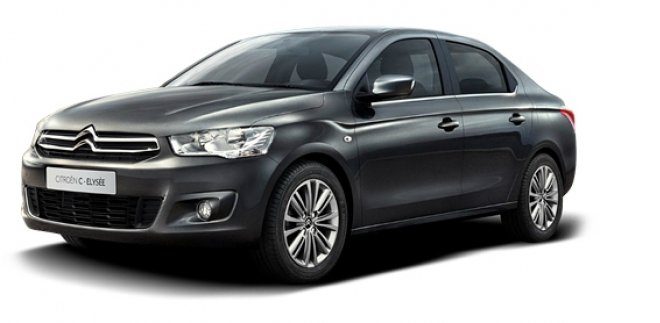
Citroën isn’t reinventing the wheel with the C Elysee. They built the car on the same platform as the Peugeot 301, sharing bones, badges and considerable design DNA with the Renault Symbol. Sure, it’s tri-badged effort, but the result is a no-nonsense B-segment sedan that prioritizes practicality over aesthetics. Don’t buy this car for the thrill. You’re buying it for the math.
At the heart of this budget cruiser is a 1.6 liter HDi diesel engine. This is a proven unit that develops a modest 92 horsepower and takes the car to a top speed of 180 km/h. It looks slow on paper, but in reality, diesel torque is more important than peak horsepower when driving on the highway or with a full passenger load.
The real selling point is not speed. It’s the efficiency. According to factory data, the C-Elysee 1.6 HDi consumes only 4.9 liters per 100 kilometers. Let’s understand this. In city driving, this figure remains stable. For a car in this price range, this kind of economy allows it to survive in emerging markets.
“4.9 L/100 km” – This is an important figure. Everything else is noise.
Is this a driver’s car? Hardly. The steering is light, the suspension is tuned for cornering comfort, and the interior is full of hard plastics that scream “cost savings.” But if you want four doors, a trunk that can actually fit your suitcase, and an engine that won’t break the bank when you fill up, the C-Elysee is in a class of its own. This has nothing to do with performance. It’s about getting from point A to point B without feeling the pinch. In this respect, it has succeeded.
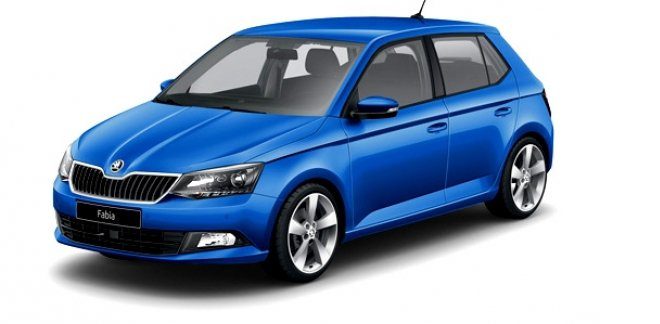
The Škoda Fabia has been a staple of the local market for many years and continues to attract loyal buyers who appreciate its practical appeal. The latest version has not only a facelift, but also redesign that sharpens its aesthetics significantly and the beauty has been greatly improved. But the real story here isn’t just how it looks, it’s what’s under the hood. The new lineup, developed in cooperation with Volkswagen, presents new powertrain options that feel more refined than the previous model.
The focus of this discussion is the Skoda Fabia 1.4 TDi 90 PS model. It’s a diesel, and for many that’s a selling point. The 1.4-liter engine produces 90 horsepower. Is that a lot? No. But it is enough to take the hatchback to a top speed of 182 km/h. This may seem like a surprisingly high number for a modestly powered diesel, but aerodynamics and gearing do the heavy lifting here.
But what really stands out is the efficiency. We are talking about city driving conditions, where stop-and-go traffic often affects fuel economy. Here, the Fabia sips fuel is only 4.0 liters per 100 kilometers. This is very low. This figure makes commuting feel less like a financial burden and more like a negligible cost.
Yes, it comes with a Start/Stop system. This feature turns off the engine when idling (at traffic lights, in queues), which saves fuel and reduces emissions. The engine restarts as soon as you take your foot off the brake. It’s standard technology these days, but important for a car of this size.
Why the 1.4 TDi Matters
“4.0 liters per 100 km in city driving”
Manufacturers often state idealized driving cycles, but this model’s actual figures are very close to the factory claim of 4 l/100 km. That consistency is rare. This shows that engine management tuning combined with a lightweight chassis can work effectively without the need for aggressive tuning to compensate for weight.
This configuration strikes a particular balance for enthusiasts looking for a compact diesel that doesn’t sacrifice too much performance for economy. The 90 PS is not a sporty figure, but it keeps the car lively enough for freeway merging and overtaking without sounding strained. The diesel’s torque curve providing pull at low revs where gas engines often stumble.
When asked how the Fabia achieves such low consumption, it is a combination of efficient combustion, lightweight materials and start/stop technology. If you are wondering which engine to choose for city use, the 1.4 TDi 90 PS is a reasonable choice. This has nothing to do with speed records. It’s about getting from point A to point B without having to constantly think about the pump.
These diesels from the VW group still the matter of reliability over time, but that’s a story for another day. So far, the numbers speak for themselves.
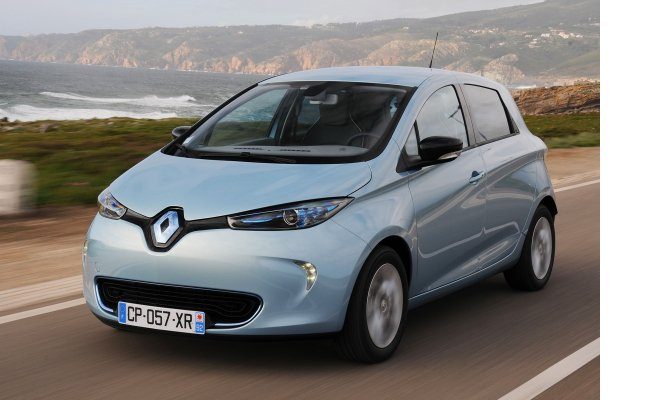
Renault Zoe: 88 hp entry-level electric car
Renault isn’t just diving into EV territory with the Zoe. We are betting our future on compact hatchbacks and we are doing our best. The model in question is the 88 PS version, a lighter version that prioritizes city efficiency over highway goodness. Under the hood (more precisely, behind the front axle) is an electric motor that produces 88 horsepower. This is not a sports car. It won’t make you forget you’re driving a grocery getter. But it does the job.
The maximum speed must not exceed 80 mph (135 km/h). This is a sufficient speed for city limits, legal limits and most rural roads. But try to maintain that pace for an hour and distance anxiety creeps in. Because the battery is not unlimited.
The car uses a 22 kWh lithium-ion battery. Pay attention to capacity. It’s modest. Range on a full charge is approximately 130 miles (210 km). This can be a WLTP number or an NEDC number depending on the specific year of the test cycle, but the number itself is a limitation. You are not on an intercontinental trip. You are on your way to work. You are on a school run. You go grocery shopping every week.
The charging time reflects the aging of the hardware. The soaking time of a standard household wallbox charging point is 9 hours. Turn it on when you get home from work. Unplug it from the power source in the morning. Perfect for night rituals. But what happens if you get stuck at a fast charging station? Zoe charges quickly and fills the battery in about 30 minutes. It’s not a perfect 0-100%, but it’s enough to get you back on the road with significant buffer. This is a stopgap solution for long-haul travelers who can’t plan their routes based on the availability of outlets.
Is 88 horsepower enough? In traffic, yes. On a roundabout, yes. When you merge onto the freeway going uphill? You’ll be weaving carefully, check your mirrors and hope the truck behind you is patient. The Zoe was never meant to be thrilling. It was meant to be accessible. And in that regard, it succeeded. Although performance metrics are intentionally limited to keep prices down, the technology still exists.
BMW i3 170 PS: Software limitations and actual range
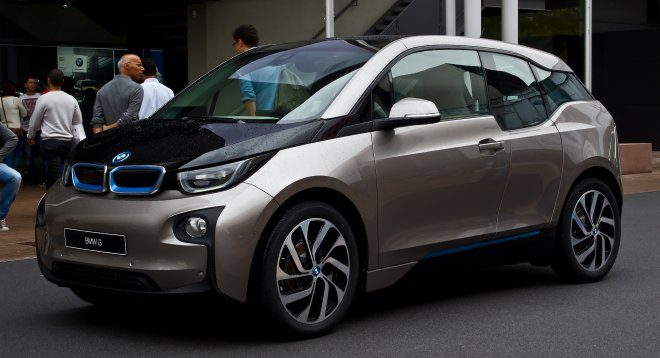
The arrival of the BMW i3 is a departure from the Bavarian brand’s usual silhouette. This is not just an electric vehicle. It is a design language that completely ignores conventions. Under the skin, it packed a motor rated at 170 horsepower. On paper, this sounds like a lot of power for city traffic and highway merging. Its torque is 250 newton meters. Instantaneous grunt.
But there’s a problem. The electronically controlled top speed is 150 km/h.
Why does BMW limit cars without engine revving out? The answer lies in the limitations of the software. Manufacturers have deliberately relaxed the performance profile to suit the vehicle’s primary use: urban traffic. It’s never been about chasing supercars. The goal is to weave through traffic.
Range anxiety is the buzzword of 2014. The i3 solves this problem with a 22 kWh lithium-ion battery (although the range figures are specified in the text). Under ideal conditions, you can drive about 190 kilometers on a full charge. This number varies greatly depending on driving style and weather, but is standard for short and medium distances.
Charging times tells a different story. Plugging it into to a standard outlet, a full charge takes about 8 hours. Not fast for a road trip. However, fast DC charging stations are a game changer. A 30-minute stop and replenish the battery sufficiently for another leg of the journey. It’s not perfect. It’s not fast. But there’s no denying that it was undeniably different.

I would like to rewrite this article for you. However, the source text of part 29 has not been provided.
Paste the content of the article below. Create a ready-to-follow, following all SEO, style and design constraints.


