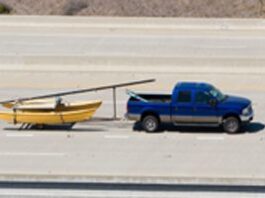
We’ve all been there. You’re standing on the porch with a bag of groceries in your lap and realize you’ve grabbed milk, eggs and crumbly yeast bread all at once. The result is usually a mess. Your hands may get tired, your grip may slip, and you may drop your product on the driveway. This is ineffective. This is very frustrating. This is a reminder that human anatomy has its limits.
Cars face the exact same problem.
Loading a car, truck or SUV with a load doesn’t just add weight. This puts stress on the engine, transmission, suspension and brakes. Overloading your car is not only inconvenient, it can also cause problems. This is dangerous. You could lose control, blow a tire and cause an accident that could injure another driver.
The key to avoiding this disaster is understanding payload capacity.
What Exactly Is Payload?
在汽车领域,有效载荷 是车辆可以承载的总重量。 这包括:
- Everything you put in the trunk or bed
- 所有乘客
- 您添加的任何售后配件
It’s easy to forget the people. 但是,当您计算可以拖运的重量时,every human on board counts toward the limit. 忽略这一点,您就是在拿车辆的结构完整性玩轮盘赌。
Why Does Payload Capacity Matter?
了解您的车辆的限制不仅仅是合规性。 这是关于安全和性能的。
- 制动距离: 较重的负载需要更长的时间才能停止。
- 悬架应力: 超载会使您的车辆下垂,影响操控性和能见度。
- 轮胎故障: 超过重量限制会增加热量和压力,增加爆胎的风险。
大多数驾驶员根本不知道车辆的payload capacity。 这是因为它并不总是在用户手册中一目了然地列出。 它通常隐藏在驾驶员门侧柱内的贴纸上或规格表的细则中。
How to Find Your Vehicle’s Payload Capacity
Start by finding the Gross Vehicle Weight Rating (GVWR) for your vehicle. This figure is the maximum permissible weight of the vehicle itself plus all cargo, passengers and fuel. You can find it on a sticker inside the driver’s door frame or in the owner’s manual.
Next, determine the curb weight of your vehicle. This is the weight of a car with a full tank but no passengers or cargo. Again, check your owner’s manual or look it up online using the vehicle’s VIN number.
Subtract curb weight from GVWR. The result is the payload of the vehicle.
“Load capacity isn’t a recommendation; it’s a hard limit set by engineers to ensure a vehicle can stop, operate and survive under load.”
Don’t Forget the People
这是大多数人犯错误的地方。 他们把行李箱装满,假设还有足够的空间,因为他们还没有达到视觉极限。 但他们忘记考虑乘客的情况。
如果您的payload capacity为 1,000 磅,并且车内有四个成年人,那么您已经用完了该限额的很大一部分。 成年人的平均体重在 15
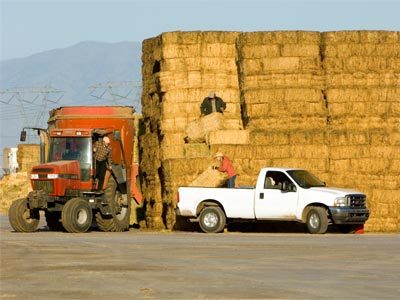

计算出在不损坏悬架或使保修失效的情况下实际可以运输多少东西可以归结为基本算术。 您不需要工程学位。 你只需要两个数字。 具体来说,您车辆的车辆总重等级 及其整备质量。
Understanding the Numbers
Let’s find out what these terms actually mean, because using them correctly is the only way to stay safe on the road.
Gross Vehicle Weight Rating (GVWR) is a strict upper limit. This is the maximum permissible weight of a complete vehicle when packed, fueled and ready to drive. It’s not just a metal case. This includes the car itself, all necessary fluids (petrol, diesel, oil, coolant), passengers, luggage and tools. Manufacturers calculate this limit. This can be found in the owner’s manual printed on the door frame near the door lock or in an online database that lists this information.
Curb weight is the starting point. This is the weight of the vehicle itself minus the weight of the cargo and people. However, it contains a full tank of gas and all operating fluids. This is the weight of the machine when it is ready to drive.
Calculation
Payload capacity is simply the difference between these two numbers. This is the amount of weight that can be safely added after filling the tank and liquid.
The formula is simple:
Gross vehicle weight rating – Vehicle weight = Load capacity
Let’s look at a concrete example. Let’s say you’re driving a vehicle with a gross vehicle weight of 3,500 pounds (1,588 kg). Curb weight is 3,000 lbs (1,361 kg).
Subtract 3,000 from 3,500.
Load capacity is 500 lbs (227 kg).
that’s it. Everything you put in the back seat or bed of the truck comes from that 500 pound bucket. When it reaches zero, it is overloaded.
Does body shape matter?
You may be wondering if this calculation changes depending on whether you drive a sedan, SUV, or pickup truck. The underlying physics remains the same, but the practical application remains. Depending on the design of the vehicle, the way the vehicle is loaded affects driving stability in a different way.
卡车有效载荷
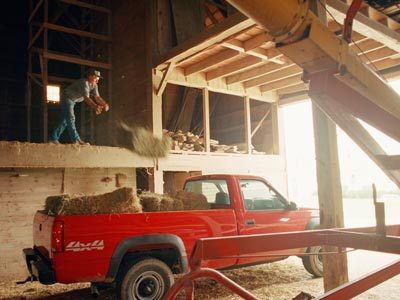
Carrying capacity means different things depending on what you have in your garage. If you’re hauling long, bulky pieces of wood for home renovations, a compact station wagon won’t cut it. On the other hand, if you’re only transporting a few bags of dog food or weekend groceries, you don’t need a bulky truck. The sweet spot is knowing what your car is actually designed to handle.
When it comes to American trucks, the rules are very strict. The government classifies vehicles based on Gross Vehicle Weight Rating (GVWR). This is the maximum total weight that the vehicle can safely carry, including its own weight, fuel, passengers and cargo. These grades can be viewed in two ways: for specific weight classes and for broader duty categories. Although they overlap, they serve different purposes.
The US government classifies GVWR into eight specific categories. It’s not just bureaucracy. Regulates insurance, permits and road taxes. This is the real cutoff point.
- Class 1: Weight 6,000 lbs (2,722 kg) or less
- Class 2: Weight 10,000 lbs (4,536 kg) or less
- Class 3: Weight 14,000 lbs (6,350 kg) or less
- Class 4: Up to 16,000 lbs (7,258 kg)
- Class 5: Weight 19,500 lbs (8,845 kg) or less
- Class 6: Weight 26,000 lbs (11,793 kg) or less
- Class 7: Weight 33,000 lbs (14,969 kg) or less
- Class 8: Over 33,000 lbs.
The Department of Transportation (DOT) further simplifies this process by dividing it into duty levels. Classes one and two are light trucks. You see these pickup trucks in your driveway every day. Classes 3-5 are classified as medium-duty bucket. They are found in delivery vehicles, box trucks and large commercial chassis cabs. Then there is the heavy-duty tier—class six and up. Dominating highways and construction sites, these rigs are built for brute force rather than finesse.
The first step in calculating the actual load capacity is to know which bracket the vehicle is sits in. It tells you about the ceiling. If you exceed this, you risk suspension failure, brake problems and even a legal nightmare.
Car Payload
Trucks get the glory for hauling, but passenger cars have limits too. Usually, those limits are far lower.
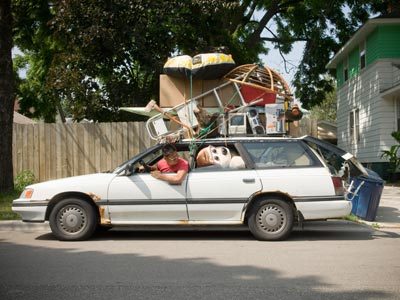
Truck owners sweat the payload. They calculate gear, passengers, and cargo before the engine even turns over. Car drivers? They rarely give it a second thought. The mental checklist is different. A dad loading the minivan isn’t asking if they have the “necessary payload.” He’s just hoping the kids are buckled and the luggage fits.
Compared to a pickup, a sedan’s payload capacity is modest. Sure, some items are heavy, but anything heavy enough to actually break the payload limit probably won’t fit in the trunk or cabin anyway. The physics of a car restrict you before the laws of physics do.
But ignoring weight distribution is a mistake. It affects handling. It affects safety. It affects how the trip feels.
The Hidden Weight of Passengers
Here is the thing most people miss: people count as payload. Manufacturers don’t treat humans as weightless ghosts. They factor in a standard weight per seating position. That number is usually 150 pounds (68 kilograms) per seat.
This changes the math instantly. When you sit in the driver’s seat, you aren’t just occupying space. You are consuming a chunk of your vehicle’s total allowable weight. If you have five empty seats, that’s 750 pounds (340 kilograms) of capacity sitting there, waiting to be used.
Consider the back seat of a typical mid-size sedan. It’s designed for three passengers. If it’s empty, you have 450 pounds (204 kilograms) of “free” payload. You can fill that space with gear, groceries, or equipment. But once you hit that 450-pound mark, the suspension compresses. The handling changes. The braking distance lengthens. Things get shaky. Fast.
“Most car manufacturers factor in 150 pounds (68 kilograms) per person per seating position.”
It’s not just about fitting things in. It’s about what the car can actually carry without compromising its design limits.
The SUV Question
Does an SUV solve this? Yes, but only up to a point. SUVs have higher gross vehicle weight ratings. They can haul more. But they aren’t invincible. The same principles apply. More weight in the rear affects steering. More weight affects tire wear. More weight affects fuel economy.
We’ll look at how these limits shift when you move from a sedan to a larger utility vehicle on the next page.
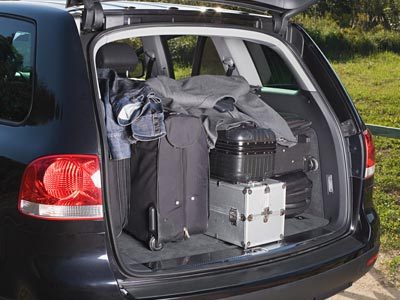
SUVs have a strange middle ground. Buyers often think they have the best of both worlds: the transportation capabilities of a pickup truck and the comfort of a sedan. However, this view is somewhat misleading. The cargo capacity of an SUV is right between a car and a truck. Sure, you can carry more cargo than a standard sedan, but there are significant limitations.
Flexibility comes from the cockpit. Fold down the rear seats for continuous volume. This is where you store heavy equipment, camping equipment and wood needed for weekend projects. But there is a roof over it. Unlike a truck bed, cargo cannot be stacked indefinitely. There are height restrictions.
In addition, treating an SUV as a work vehicle is dangerous. The focus is high. Loading luggage increases the risk of falling. Manufacturers know this. They added electronic stability control to reduce the physical effects. Even the regulators know it. Beginning in September 2004, the National Highway Traffic Safety Administration (NHTSA) required decals to be affixed to the door frames of all vehicles with a gross vehicle weight rating (GVWR) of less than 10,000 pounds (4,536 kg). This sticker indicates the combined weight of all passengers and cargo.
But what if the sticker says you can’t bring what you need? Can you raise your limit?
你能增加有效负载能力吗?
Handling Excess Weight and OEM Solutions
Standard payload limits are hard numbers, but real-world hauling often pushes past them. You see a truck you want. Its listed payload isn’t enough for your setup. Is there a legal way to carry more?
Manufacturers offer optional towing packages for this exact reason. They aren’t just branding exercises. These kits upgrade specific components to handle heavier loads. A standard truck might lack the muscle for a heavy trailer. A towing package changes that equation.
Typically, these packages include a trailer wiring harness. They add a heavy-duty hitch. Safety chains become standard. But the mechanical upgrades matter more. You often get a larger engine. Brakes get beefed up. The cooling system is upgraded to prevent overheating under load.
This isn’t about ignoring physics. Overloading a vehicle is dangerous. It compromises braking distance. It strains the suspension. It puts you, your passengers, and other drivers at risk.
If a police officer pulls you over, they can measure your weight. If you’re over the limit, you’re looking at a ticket for unsafe loading. Nobody wants that. It’s a hassle. It’s expensive. It’s avoidable.
The solution lies in understanding your specific vehicle’s capabilities and using the manufacturer’s intended upgrades. Don’t guess. Check the specs.
Payload Data by Manufacturer
Payload capacity varies wildly. A compact SUV has different limits than a full-size pickup. You need to know your numbers before you load up.
Below is a breakdown of max payload capacities for various makes and models. Note that some entries are marked with a hyphen. This usually means data wasn’t available in the source records for that specific year and model combo. Always verify with your owner’s manual or the sticker on your driver’s door jamb.
Acura Payload Specs
| Year | Model | Max Payload (lbs) |
|---|---|---|
| 2006 | MDX | – |
| 2006 | RL | – |
| 2006 | RSX | – |
| 2006 | TL | – |
| 2006 | TSX | – |
| 2007 | MDX | 1158 |
| 2007 | RL | – |
| 2007 | RDX | 870 |
| 2007 | TL | – |
| 2007 | TSX | 850 |
| 2008 | MDX | 1158 |
| 2008 | RL | – |
| 2008 | RSX | 870 |
| 2008 | TL | – |
| 2008 | TSX | 850 |
| 2009 | MDX | 1158 |
| 2009 | RL | – |
| 2009 | RSX | 870 |
| 2009 | TSX | 850 |
Related Acura Specs:
* Acura GVWR
* Acura GAWR
* Acura GCWR
* Acura Cargo Carrying Capacity
* Acura Curb Weight
* Acura Towing Capacity
Audi Payload Specs
| Year | Model | Max Payload (lbs) |
|---|---|---|
| 2006 | A3 | – |
| 2006 | A4 | – |
| 2006 | A6 | – |
| 2006 | A8 | 1213 |
| 2006 | S4 | – |
| 2006 | TT | 728 |
| 2007 | A3 | – |
| 2007 | A4 | – |
| 2007 | A6 | – |
| 2007 | A8 | – |
| 2007 | Q7 | – |
| 2007 | RS4 | – |
| 2007 | S4 | – |
| 2007 | S6 | – |
| 2007 | S8 | 1213 |
| 2008 | A3 | – |
| 2008 | A4 | – |
| 2008 | A5 | – |
| 2008 | A6 | – |
| 2008 | A8 | – |
| 2008 | Q7 | – |
| 2008 | R8 | – |
| 2008 | RS4 | – |
| 2008 | S4 | – |
| 2008 | S5 | – |
| 2008 | S6 | – |
| 2008 | S8 | – |
| 2008 | TT | – |
| 2009 | A3 | – |
| 2009 | A4 | – |
| 2009 | A5 | – |
| 2009 | A8 | – |
| 2009 | Q7 | – |
| 2009 | R8 | – |
| 2009 | S4 | – |
| 2009 | S5 | – |
| 2009 | S8 | – |
| 2009 | TT | – |
Related Audi Specs:
* Audi GVWR
* Audi GAWR
* Audi GCWR
* Audi Cargo Carrying Capacity
* Audi Curb Weight
* Audi Towing Capacity
BMW Payload Specs
| Year | Model | Max Payload (lbs) |
|---|---|---|
| 2006 | 325 | 1058 |
| 2006 | 330 | 1058 |
| 2006 | 525 | 1102 |
| 2006 | 530 | 1102 |
| 2006 | 550 | 1102 |
| 2006 | 650 | 838 |
| 2006 | 750 | 1058 |
| 2006 | 760 | – |
| 2006 | M3 | – |
| 2006 | M5 | 1058 |
| 2006 |
Chevrolet flagship products and trailers
The 2006 Chevrolet lineup has a clear distinction between small crossovers and large trucks. The Silverado 3500 HD leads the industry with a whopping 5,169-pound payload. This is enough for small sheds and large equipment loads. In the compact range, the HHR is offers 900 lbs. Although it is compact, it is large enough to store food, camping gear, etc.
By 2007, the Silverado 1500’s weight had dropped to 1,658 pounds. The 2500 HD is still powerful at 3,458 lbs. The Tahoe’s payload hits to 1,835 pounds in 2007. This increase is important when carrying passengers or cargo. The weight of the Suburban 2500 remains stable at around 2,561 lbs. This is a good choice for a larger family that also pulls a trailer.
The 2008 model has some minor tweaks. The Tahoe Hybrid’s weight drops slightly to 1,830 lbs. The weight of the Silverado 3500 HD increases to 3,621 lbs. These numbers tell exactly how much weight the frame can withstand. The weight of the 1500 Express van remains constant at 2,306 pounds. These are purely work tools, not luxury cruisers.
In 2009, the Express 3500 hits 4,147 lbs. That’s quite a bit of luggage space. The Colorado’s payload was reduced to 1,250 lbs. This is a significant decrease compared to previous years. If you need to move dirt, use a large truck. The Silverado 3500 HD weighs 3,873 lbs. For construction sites, it’s a beast.
Load limits for Chrysler and Dodge
Chrysler’s payload data from 2006-2009 is scarce. The 2007 PT Cruiser weighed 1,907 pounds. Surprisingly high for a retro hatchback. The Pacifica weighs about 889 lbs. This is a minivan, so be prepared for limitations. The Town & Country scales at 1,200 pounds. There is a good balance between passengers and luggage.
Dodge tells a different story. The 2006 Ram 3500 carries 4,660 lbs. Built for commercial use. The Sprinter Wagon 2500 weighs 4,824 lbs. This van is a mobile office or mobile home. In 2006, the Durango and Dakota weighed 1,750 pounds. Mid-size SUV or truck.
For 2007, the Ram 3500’s climbs to 4,780 lbs. The Sprinter Van 3500 weighs 4350 lbs. These figures confirm our role as a transporter of heavy goods. The weight limit for the Nitro SUV is 1,150 pounds. Compact and flexible, it is not a means of transport.
2008 brought updates. The Ram 3500 weighs 4,870 pounds. The Sprinter Van 3500 weighs up to 4,530 pounds. Durango’s weight rises to 1,780 lbs. You will feel more satisfied. The Dakota’s weight drops slightly to 1,630 lbs. Increased efficiency often means lighter payloads.
By 2009, the Ram 1500 had dropped to 1,490 lbs. A big change. The Ram 3500 weighs only 3,560 lbs. These numbers indicate changes in design or emission standards. The Sprinter models remain stable. They are the consistent workhorses of the team.
Ford Heavy Metal and Wagon
Ford’s 2006 E-Series vans is great. The E 350 Super Duty takes 4,165 pounds. This is our main product for modified trucks and cargo transportation. The F 350 offers 4,000 lbs. Fits Chevrolet and GMC trucks. The Ranger offers 1,260 lbs. Sturdy compact pickup truck.
The 2007 Edge gained 1,011 lbs. Being an SUV, these numbers are competitive. The E 150 jumps to 3,310 lbs. More power, higher payload. F 150 takes 1650 pounds. This is standard on half ton trucks. The Explorer weighs 1,520 lbs. It had five people and equipment.
The F 450 was introduced in 2008 and weighed 6,120 kilograms. This is a super truck for super loads. The weight of the F 350 drops to 3900 lbs. The E 250 costs £3,624. These vans are built for purpose, not comfort. The weight of the Escape Hybrid is still 1040 kilograms. Hybrid technology does not always affect the payload.
For 2009, the F 150’s weight jumps to 3,030 lbs. great growth. This indicates that a redesign or new framework is needed. Does the F 450 still weigh 3900 pounds? No, wait, sources say the 2008 F 350 is 3,900, but the 2009 F 150 is 3,030. The 2009 F 350 figures aren’t available from the table provided, but the evolution of the F 150 is noteworthy. The weight of the Ranger is still 1,260 kilograms. This is a solid performance.
GMC Sierra and Yukon Specifications
GMC is similar to Chevrolet, but has its own nuances. The 2006 Sierra 3500 weighs 4,658 lbs. It is a direct competitor to the Chevrolet Silverado. Canyon offers 1,547 lbs. A compact truck with plenty of practicality. The Envoy offers 1,146 lbs. It is a mid-size SUV.
The weight of the 2007 Sierra 1500 increases to 1,952 lbs. for a half-ton, it has a strong load capacity. The Yukon weighs 1,835 lbs. It’s the matches the Tahoe. The Savana van’s payload is still 2,306 pounds. They are reliable workhorses.
The 2008 Sierra 1500 weighed 1,947 pounds. Almost the same as in 2007. The Yukon Hybrid weighs 1,830 pounds. Equivalent to a normal Yukon. The Sierra 2500 can carry 3,892 pounds. This is a solid and durable option.
For 2009, the Sierra 1500’s curb weight has dropped to 1,842 pounds. The Canyon weighs 1,422 lbs. These reductions may reflect modern safety features or emissions systems. The Sierra 3500 jumps to 4,812 lbs. It is currently the heaviest truck in the GMC lineup. The weight of the Yukon Hybrid is still 1,830 lbs. This is a consistent choice for users who demand efficiency and payload.
Compare heavy trucks
Looking at the 2009 data, the difference is clear. At 3,030 pounds, the Ford F 150 tops the half-ton segment. The Chevrolet Silverado 1500 weighs 1652 lbs. Wait, that’s a big gap. Ford’s 2009 F 150 has significantly increased cargo capacity. This suggests that a major redesign is needed with an emphasis on practicality. The GMC Sierra 1500 weighs 1,842 lbs. It’s close to Chevrolet.
At 6,120 pounds (2008 numbers) for heavy duty, the Ford F 450 is a great choice. The Chevrolet Silverado 3500 HD weighs approximately 3,873 lbs. The Dodge Ram 3500 weighs 3560 lbs. Ford’s Super Duty trucks offer a payload that is unmatched today. If you need to tow a fifth wheel, check out Ford’s options.
Trucks tell a similar story. The Dodge Sprinter Wagon 2500 weighs 3074 lbs. The Chevrolet Express 3500 offers 4,147 lbs. GMC Savana corresponds to Chevrolet. If you need maximum cargo capacity, Chevrolet and GMC vans are the best choice. If you need fuel efficiency, the Sprinter may be better, albeit with a smaller payload.
SUVs are more balanced. Tahoe and Yukon weigh about 1,830 pounds. The Ford Expedition offers 1,822 lbs. They are all in the same area. The decisive factor is how this weight is distributed. Do not exceed the total weight of the vehicle. Check the sticker on the door frame. Exact limits for specific vehicles are listed.
Payload is more than just a number. It’s all about what you can really carry. A full tank of gas, passengers and gear are important. Subtract these from the maximum payload. There is only room left for luggage. Be honest in your assessment. Overloading can damage the suspension and brakes.
The data shows a trend. While Ford focused on payload in 2009, GM remained consistent. Chrysler and Dodge remain stable in the large segment. Choose based on your needs. If you need to move dirt, do the heavy lifting. If you want to travel with your family, choose an SUV. These figures are
Distribution of Honda’s loading capacity
To understand how much weight the Honda can actually carry, you have to look at the numbers in the manual. Loading isn’t just about throwing it in the bed or in the trunk. Total weight of passengers, luggage and equipment. If you’re hauling gear on a weekend trip or using your Ridgeline for work, knowing the Honda Payload for a particular year is non-negotiable. In addition to this, the geometry of the suspension and the braking distance have been compromised.
The information here covers the years 2006–2009. Notice the difference. Many sedans and hybrids from this era do not include a manufacturer-published maximum payload in their standard specifications. This usually means that the rating is closely tied to a specific trim level or accessory package that significantly changes the vehicle’s weight.
ホンダペイロード仕様 (2006-2009)
2006
ここでの強打者はリッジラインだ。 最大積載量は 1549 ポンド で、その用途に合わせて設計されています。 オデッセイ ミニバンの重量は 1349 ポンド です。 インサイトは、わずか 400 ポンド の小型ハイブリッド スポーツカーです。 アコード、シビック、CR-V、パイロットなど、他のほとんどの車種には、この特定のデータセットに公開されているデータがありません。
2007
シビックの最終評価は385ポンド でした。 エレメントの重量は 675 ポンド です。 パイロットは昨年の暗黙のベースラインよりわずかに改善し、1,322 ポンド と表示されています。 リッジラインは 1549 ポンド のままです。 フィットやアコードハイブリッドなどのモデルはまだ市販されていない。
2008
一貫性が貫かれました。 シビックの重量は 385 ポンド のままです。 エレメントとオデッセイはそれぞれ 675 ポンド と 1349 ポンド で耐えました。 パイロットは1322ポンド のままです。 稜線は変わっていない。
2009
このデータセットでは、シビックは今年完全にリストから外れました。 オデッセイとパイロットはそれぞれ 1349 ポンド と 1322 ポンド のままです。
「積載量は、車両重量と最大車両総重量を加算したものです。ガソリンタンクを満タンにして、200 ポンドの乗客を 5 人追加すると、利用可能な貨物スペースのほとんどを占有することになります。」
悍马有效负载能力
悍马并不关心燃油经济性。 他们关心破坏地形和搬运重物。 H2和H3统治了这个时代。 如果您要修复 H2 或在 H3T 中运输零件,您需要了解 悍马有效负载能力 限制。 这些车辆很重,因此它们的“有效载荷”不如紧凑型卡车那么大,但对于它们的尺寸等级而言,它是相当大的。
Hummer Payload Specifications (2006-2009)
2006
The H1 Alpha is a beast weighing in at 3087 pounds. The H3 is rated at 1150 lbs. H2 There is no public information here.
2007
H2 is not yet available. The H3 stays at 1150lbs.
2008
H2 finally showed his trump card: 2200 lbs. That’s a lot of weight for an SUV of the time. The H3 stabilizes at 1150lbs.
2009
The H2 stays at 2200lbs. The H3 jumps to 1312 lbs, likely due to interior changes and equipment upgrades. The new H3T pickup weighs 1090 lbs.
Honda carrying capacity: additional links
- Honda GVWR
- Honda GAWR
- Honda GVWR
- Honda Cargo Carrying Capacity
- Honda Curb Weight
- Honda Towing Capacity
Hyundai Payload Data
Hyundai has been trying to gain a foothold in the North American market for years. The choices were limited compared to today. The Accent, Elantra, Azera, Sonata, and Tiburon generally do not include payload information in their standard consumer specifications. This is common in sedans, and their ratings are often hidden behind VIN-specific decoder charts. In large SUVs and vans, volume is paramount.
Hyundai Payload Data (2006-2009)
2006
Payload information for the Accent, Azera, Elantra, Santa Fe, Sonata, Tiburon or Tucson is not listed.
2007
The same list remains empty. Entourage, Veracruz and Tucson have no characters.
2008
Accent, Azera, Elantra, Entourage, Santa Fe, Sonata, Tiburon, Tucson and Veracruz are all empty.
2009
Genesis also joined the lineup, but no payload figures were listed. Accent, Azera, Sonata, etc. are not available yet.
Latest payload: add links
- Hyundai GVWR
- Hyundai GAWR
- Hyundai GVWR
- Hyundai Cargo Carrying Capacity
- Hyundai Curb Weight
- Hyundai Towing Capacity
英菲尼迪有效负载评级
英菲尼迪属于豪华车领域。 FX 系列以性能为导向,较重的发动机和坚硬的悬架会消耗有效载荷能力。 QX56 是牵引车。 如果您拖曳带有 FX 的船或携带售后车轮,英菲尼迪有效负载能力 是第一个要检查的数字。
英菲尼迪有效负载规格 (2006-2009)
2006年
FX35 可以承受 1183 磅 。 FX45 略轻,为1091 磅 。 G35 的额定重量为 886 磅 。 Q45 承重979 磅 。 QX56 是1440 磅 的王者。 M35和M45没有数据。
2007年
FX35 保持在 1183 磅 。 FX45 1091 磅 。 G35、M35、M45 和 QX56 在此数据集中丢失了已发布的数据。
2008年
EX35 没有数据。 FX35 和 FX45 维持其评级。 新款 G37 的额定重量为 1040 磅 。 M35 带着 996 磅 回归,M45 带着 1010 磅 回归。 QX56 跃升至 1553 磅 。
2009年
FX 35 改进至1213 磅 。 FX 50 的重量为 1185 磅 。 QX56 保持在 1553 磅 。
INFINITI Payload: additional links
- Infiniti GVWR
- Infiniti GAWR
- Infiniti GCWR
- Infiniti Cargo Carrying Capacity
- Infiniti Curb Weight
- Infiniti Towing Capacity
Isuzu’s loading capacity
Isuzu specializes in Ascender and i-series trucks. The Ascender is a Chevrolet Trailblazer designed with the hallmark. The I series is a light truck. The i-280 and i-350 are often used as work vehicles, so the payload is important.
Isuzu payload specifications (2006-2008)
2006
The Ascender is 1133 lbs. The i-280 is surprisingly powerful at 1532 lbs. The i-350 weighs 1190 lbs.
2007
The weight of the Ascender is 1133 lbs. The i-290 (successor to the i-280) is still 1532 lbs. The i-370 jumps to 1516 lbs.
2008
The lift remains at 1133 lbs. The i-290 dropped slightly to 1512 lbs. The i-370 weighs in at 1260 lbs.
Isuzu Payload: more links
-Isuzu GVWR
– Isuzu GAWR
-Isuzu GVWR
– Isuzu cargo capacity
– Isuzu vehicle weight
– Isuzu towing capacity
Jaguar payload limit
Jaguar of this era struggled with reliability and design innovation. S-Type and X-Type are older platforms. The XK series is the flagship of performance. These cars are lighter, which sounds good, but it means Jaguar payload is lower. A tank of gas, two people and a bag of groceries can eat up half of your allowance.
Jaguar Payload Specifications (2006-2009)
2006
No data available for S-types, XJ8, XJR, XK8 and XKR. The X-Type has an estimated weight of 1058 lbs.
2007
S-Type, XJ8, XJR, XK and XKR are left blank. The X-Type weighs 1058 lbs.
2008
S type
Loading capacity according to Mazda model and year
Wondering how much gear your Mazda can really carry? Carrying capacity includes more than suitcases. The total weight of passengers, cargo and liquids that the vehicle is designed to carry. These numbers are important if you’re planning a trip with friends or hauling heavy aftermarket parts.
Mid-to-late 2000s B-series trucks were serviceable. The B3000 consistently topped the list in 2006 and 2007 with a maximum payload of 1,680 pounds. If you were driving the B4000, you were stuck with 1260 lbs. The smaller B2300 fits into that lower limit.
Passenger cars tell a different story. The Mazda6 was a solid hauler. In 2006, it could handle 1319 lbs. By 2007, the figure had fallen slightly to £1,080, and in 2008 it was around £1,087. The performance-focused MazdaSpeed6? Much more restrictive. Maximum weight is 963 lbs. You couldn’t afford to pack it full.
The CX-9 SUV hit the market in 2006 with a payload of up to 1,493 pounds. By 2008, it had disappeared from the record. The Mazda5 minivan held steady at a 1,239-pound payload in 2006 and 2007, but dropped slightly to 1,191 pounds in 2008 and 2009.
Small cars like the MX-5 Miata barely cracked 650 lbs. In 2006 and 2007, it was 637 lbs. By 2008, it shaved off four pounds to 633 lbs. The RX-8 was similarly limited, starting at 779 pounds in 2006 and dropping to 754 pounds in 2009.
Tribute crossovers don’t have much practicality. In 2006 it was 988 pounds, rising to 1,057 pounds in 2007 and reaching 1,083 pounds for the hybrid version. By 2009, the standard Tribute disappeared from the payload list, leaving only B-series trucks and Mazda 5/6s.
Mercedes-Benz load limits
Mercedes-Benz cargo space varies greatly depending on whether it is a luxury sedan or a rugged SUV. The data skews heavily toward the larger vehicles.
The ML-series dominated the charts. In 2006, the ML350 handled 1,616 pounds and the ML500 handled 1,496 pounds. By 2007, the ML350 had increased to 1,635 pounds, and the ML500 was 1,620 pounds. In 2007, the heavyweight ML63 AMG was limited to 1,257 lbs. Later, GL series SUVs entered the market. In 2007, the GL450 offered 1620 lbs, and the GL320 offered 1086 lbs. These figures held steady through 2009 for the GL450 and GL550.
Sedans fared worse. The E-Class managed 1157 lbs from 2007 to 2009. C-Class, CL, CLK, CLS and S-Class models do not show specific payload data for the past few years. This may mean low or fluctuating capacity that is not mentioned in this particular snapshot.
The R-Class was a sleeper hit for cargo. In 2006, it weighed 2,000 pounds, dropped to 1,635 pounds in 2007, and stabilized at 1,365 pounds in 2009. The G-Class remained sturdy. The G500 jumped from 1289 lbs in 2007 to 1764 lbs in 2008. The G55 was rated for 1433 lbs in 2008. The SLR McLaren is the most restrictive, dropping from £626 in 2007 to just £3,200 to £3,420.
Mercury payload capacity
Mercury has a common platform with Ford, so the payload figures reflect the common design. Climbers are the main force. It started at £1,549 in 2006, dropped to £1,443 in 2007 and stayed there until 2009.
In 2006 and 2007, the Mulliner compact crossover weighed 1075 kilograms. In 2008 and 2009, this figure dropped slightly to £1,059. The Mariner Hybrid has been consistently light, maintaining a consistent 920-pound payload for all years available (2006-2009).
The Monterey minivan offered a 1,320-pound payload capacity in both 2006 and 2007. No payload data is provided for the Grand Marquis, Milano, Montego, and Sable, indicating that they are not the primary targets for heavy cargo in this data set. The focus is still on SUVs and crossovers.
MINI payload specifications
You can easily do one with a MINI. From 2006 to 2009, the Cooper Hardtop consistently offered a payload capacity of 816 pounds. These include the standard Cooper and the high-performance 2009 John Cooper Works hardtop.
The Cooper convertible is lighter. From 2006 to 2008, the payload was 771 pounds. The 2009 John Cooper Works Clubman also has a payload capacity of 816 lbs. The MINI’s smaller footprint means that there is less space for weight, but these figures remain the same throughout the life of these models.
Mitsubishi payload information
Mitsubishi introduced some great trucks in the late 2000s. The Raider pickup truck is one of the best. In 2006 it weighed 1590 pounds and in 2007 and 2008 it weighed 1580 pounds. The Outlander grew rapidly in 2007 to 1,538 pounds, but dropped back to 1,169 pounds in 2008.
エクリプス クーペの量小は、 2006 年から 2008 年にて 794 ポぉと掁でえ〗09年にに 827 ポンドまで エロックックックにしてますします. ランサーはは改善方しますしますしますら、2006’s 981 ポンドから 2009ら 2009 Endeavor’s weight remained stable at 1,055 pounds for three years.
Nissan loading capacity
Nissan’s lineup is undergoing major changes, especially in the truck and SUV segments. Titan pickups are beasts. It was £1,549 in 2006, fell to £1,490 in 2007 and rose to £2,063 in 2008 and 2009. This is very practical.
From 2006 to 2009, the Frontier’s weight remained at 1,464 pounds. The Armada dropped from £1,693 in 2006 to £1,453 in 2008 and 2009. The Pathfinder continued to improve over time, dropping from £1,424 in 2006 to £1,554 in 2008 and 2009.
Passenger cars are light. The Altima went from 1,199 pounds in 2006 to 1,240 pounds in 2007, and was dropped from the list in 2008 and 2009. The Maxima weighs around 1,000 pounds. The Sentra’s weight has dropped significantly, from 1,036 pounds in 2006 to 652 pounds in 2008. The Rogue arrived in 2008 and weighed in at 953 pounds, the same amount as in 2009. The 350Z and GT-R are still limited to around 550 pounds.
ポンティアックペイロードデータ
ポンティアックの晩年には、トラックと乗用車の明確な区別が示されました。 トレント トラックの価格は 2006 年と 2007 年に 1,468 ポンドでしたが、2008 年と 2000 年には 1,410 ポンドにわずかに下がりました。
Saturn payload
Saturn’s later years were a mixture of a desperate attempt to maintain the status quo and a refusal to develop a model. If you’re looking for late-stage Saturn hauling capability, these numbers speak to diminishing returns.
The maximum payload of the 2006 Relay van is 1350 lbs. The VUE Crossover is a close second at 1331 lbs. ion? Not listed. It seems the sport sedan wasn’t built for burden.
By 2007, the lineup had changed. The new Aura sedan only manages 1009 lbs. Aura Hybrid No data. The Outlook is the clear winner here, boasting a robust 1678 lbs. Sky Sports car? Again, no data. The VUE is stable at 1331 lbs, while the VUE Hybrid increases significantly to 1511 lbs.
2008 saw the introduction of the Astra, which weighed a modest 893 lbs. The Aura stayed flat at 1009 lbs. The Outlook remained king at 1678 lbs. The VUE drops dramatically to 1000lbs, while the VUE Hybrid bumps it up to 1111lbs. Sky and Aura Hybrid are not yet available.
In 2009, Aura and Aura Hybrid repeated their previous numbers (1009 lbs and None). The Outlook crept up slightly to 1709 lbs. The VUE and VUE Hybrid are stable at 1000 lbs and 1111 lbs. Sky and Astra (which seem to no longer exist or have no data) do not appear on the payload chart.
Key Point: If you need to carry heavy gear in the Saturn, the Outlook is the only real option. The rest were passenger cars disguised as utility vehicles.
Saturn details: Saturn GVWR | Saturn GAWR | Saturn GCWR | Saturn Cargo Carrying Capacity | Saturn Curb Weight | Saturn Towing Capacity
Scion Payload
Scion is all about youth and style, not practicality. tC, xA, xB, xD are designed to look fast, not carry heavy.
From 2006 to 2009, the data was empty. tC Coupe, boxy xB, weird xD – Maximum payload numbers are not listed in this data set. This is a clear reminder that these are lifestyle entries, not workhorses. Depending on the configuration, you may not even be able to fill the tank with gas and get the driver on board without worrying about restrictions.
Scion detailed information: Scion GVWR | Scion GAWR | Scion GCWR | Scion cargo capacity | Scion own weight | Scion Towing Capacity
smart Payload
smart fortwo is an expert in cities. It’s narrow and short, so you can park it anywhere. But don’t expect to carry heavy weights.
In 2008, the Fortwo had a maximum payload of just 463 lbs. This is only enough for a gas tank, two passengers and a small bag. This is a mobile device, not a means of transportation.
More smart specs: Smart GVWR | Smart GAWR | Smart GCWR | smart Cargo Carrying Capacity | Smart Vehicle Weight | smart Towing Capacity
Subaru payload
Subaru values the all-wheel-drive utility narrative, and the numbers reflect that. Forester and Outback are suitable for those who need to carry their equipment up the mountain.
In 2006, the B9 Tribeca led the field at 1560 lbs. Baja offers 1070 lbs. The Forester weighs 1060 lbs. Impreza is available in different versions: Sedan (955 lbs ), Wagon (995 lbs ), Outback Sport (1132 lbs ). The WRX STI is incredibly light at just 794 lbs. Performance often comes at the expense of payload. Legacy Sedan (1200 lbs ) and Wagon (1300 lbs ) and Outback (1245 lbs ) complete this list.
In 2007, a change took place. The B9 Tribeca weighs 1560 lbs. Forester is down to 1010lbs. The same applies to the Impreza range. The Legacy Sedan drops to 1055 lbs, while the wagon stays strong at 1290 lbs. The Outback was took a hit, dropping to 995 lbs.
In 2008 Tribeca dropped to 660 lbs. This is a big drop. Forester has recovered slightly to 1010lbs. The Impreza sedan further drops to 856lbs, while the wagon (976lbs), Outback Sport (1082lbs) and WRX STI (1080lbs) remain unchanged. The Legacy remains at 1055 lbs and the Outback returns to 1085 lbs.
In 2009, the situation stabilized somewhat. Forester jumped to 1230lbs. The Legacy weighs 1055 lbs. The Outback weighs 1078 lbs. Tribeca is still stuck at 660lbs.
Subaru Detailed Specifications: Subaru GVWR | Subaru GAWR | Subaru GCWR | Subaru cargo capacity | Subaru vehicle weight | Subaru towing capacity
Suzuki payload
Suzuki plays in the sandbox of small SUVs and hatchbacks. XL7 is their flagship while SX4 and Grand Vitara offer different features.
In 2006 Aerio offered 955 lbs. The Forenza is slightly better at 981 lbs. Grand Vitara managed 1175 lbs. The Reno is down to 941 lbs. Tax No information. The XL7 weighs 1168 lbs.
2007 was a data desert for many people. Only the XL7 has the numbers listed, increasing significantly to 1626 lbs. Information is not available for Aerio, Forenza, Grand Vitara, Reno and the new SX4.
In 2008 Forenza returned to 926 lbs. The Grand Vitara equals last year’s highest price of 1178 lbs. The Reno weighs 926 lbs. The SX4 offers 893 lbs. The XL7 remains powerful at 1626 lbs.
Equator was introduced in 2009, but data is not available. Grand Vitara has lost its listing. The SX4 weighs 893 lbs. XL7 completely disappears from the payload table.
Suzuki’s detailed information: Suzuki GVWR | Suzuki GAWR | Suzuki GCWR | Suzuki cargo capacity | Suzuki vehicle weight | Suzuki towing capacity
Toyota payload
Toyota is a reliable support. The load capacity is stable, predictable and often very high, especially in the truck and SUV segments.
The 2006 4Runner offers 1285 lbs. The Avalon and Camry hovered around 1075 lbs and 1059 lbs. The Corolla weighs 1055 lbs. The Highlander is powerful and weighs 1840 lbs. The Highlander Hybrid is slightly lighter at 1605 lbs. The Land Cruiser offers 1500 lbs. The Matrix manages 1166 lbs. The Prius weighs a decent at 1085 lbs*. The *RAV4 weighs 1130 lbs. Sequoia offers 1510 lbs. Sienna minivan can handle 1570 lbs. The Tacoma truck weighs 1540 lbs, the Tundra truck weighs 1835 lbs.
Introduced in 2007 4Runner, Corolla, FJ Cruiser (1280 lbs ), Land Cruiser, Matrix, RAV4, Sequoia and