


The race to make hydrogen a viable energy carrier has hit a snag that isn’t technical—it’s logistical. Getting hydrogen from point A to point B is a nightmare. The current gold standard involves compressing it to 700 bar or chilling it to cryogenic temperatures to keep it liquid. Both methods demand heavy, expensive tanks and consume a significant portion of the energy you’re trying to store. Researchers at Deakin University in Australia may have just solved that headache by turning hydrogen into a powder.
This isn’t science fiction. The findings, published in the journal Materials Today, describe a mechano-chemical process that traps gas inside a solid matrix. The result is a substance that is far easier to handle than compressed gas. You can pack it, move it, and store it without the looming threat of a high-pressure explosion. When you need the hydrogen back, you simply heat the powder under a vacuum. The gas releases, unchanged and pure.
How Mechano-Chemical Absorption Works
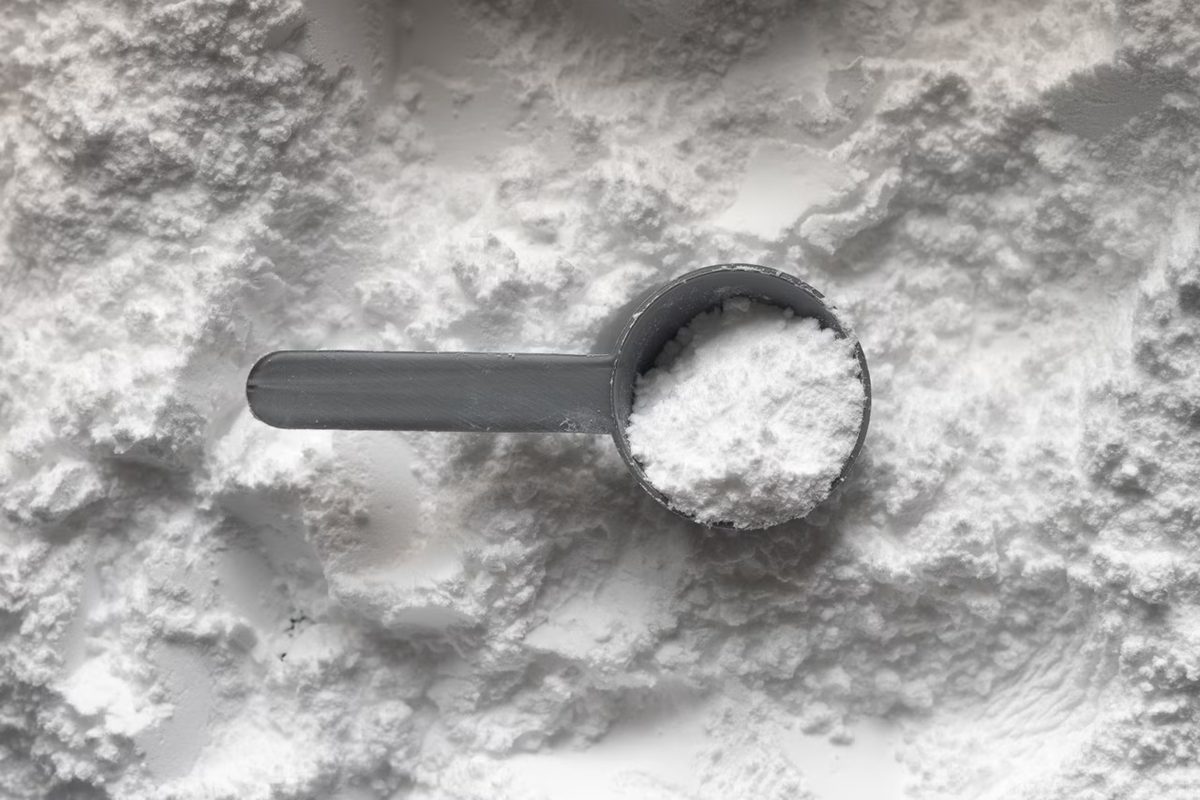
The secret ingredient is boron nitride powder. It sounds mundane, but this material has a massive capacity for absorption. The team didn’t use complex chemical solvents or hazardous catalysts. Instead, they relied on mechanical force.
Here is the process, stripped of the academic fluff. You place the boron nitride powder into a mill with small stainless steel balls. The machine grinds them together. The collisions between the steel balls, the powder, and the chamber walls trigger a specific reaction. This impact energy drives the gas into the structure of the boron nitride. The powder effectively swallows the hydrogen.
There are no byproducts. No aggressive chemicals. Just a solid, stable material holding the gas in place.
Why This Matters for the Hydrogen Economy
Current storage methods are risky. High-pressure tanks are heavy and prone to failure if damaged. Liquid hydrogen requires constant cooling to prevent boil-off, which leads to energy loss over time. The Deakin method sidesteps these issues entirely.
“The technique allows for the separation, storage, and transport of large quantities of gas safely and without waste.”
Transporting hydrogen in this powdered form could be as simple as loading bulk bags onto a truck. No specialized cryogenic trucks. No reinforced steel cylinders rolling down highways. When the powder arrives at its destination, a heating element triggers the release. The hydrogen pops out, ready for fuel cells or industrial use.
From Lab Bench to Industrial Reality
The technology works. The team proved it in the lab. They successfully absorbed and released the gas multiple times without degrading the material. The hydrogen came out clean.
But there is a catch. It’s currently a laboratory success. Scaling this up to meet industrial demands is a different beast. The next step is validation with industry partners to see if this can move from a petri dish to a production line. If they can crack the engineering challenges of mass-producing this specific boron nitride formulation, the implications are massive.
Clean energy advocates have been chasing a safe, efficient hydrogen storage solution for years. High-pressure tanks work, but they are limiting. This powder approach opens up entirely new logistics. Imagine hydrogen stored in standard shipping containers, delivered to remote stations, or integrated into existing supply chains without retrofitting for extreme pressure or cold.
It is not a silver bullet yet. The industry needs to verify durability, cost, and speed of release. But for the first time, we have a method that treats hydrogen like a commodity, not a volatile hazard. The physics holds up. The chemistry is clean


