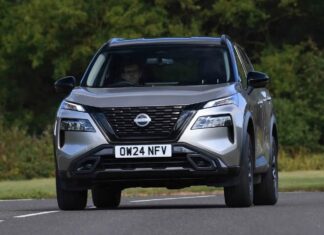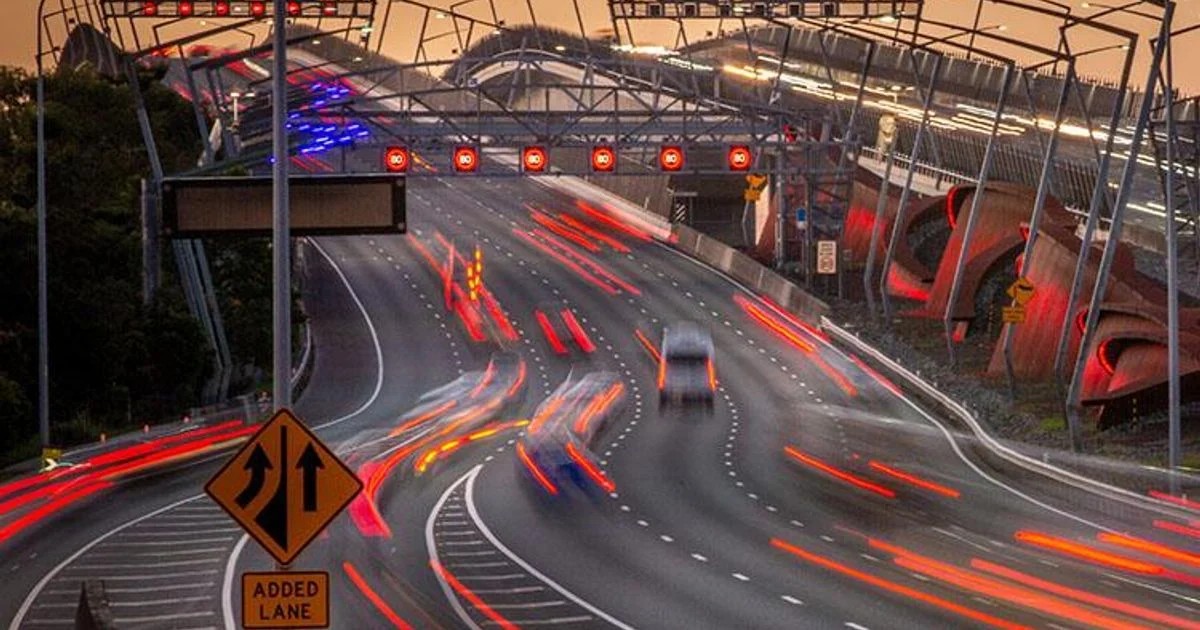
The Australian federal government is actively developing a road user charge for electric vehicles (EVs), slated to be proposed alongside the upcoming May federal budget. This move comes amid growing criticism of the existing fuel excise system and the need to address declining revenue as EV adoption rises.
The Shift Away From Fuel Excise
For decades, Australia’s fuel excise – a flat tax on petrol and diesel – has generated significant revenue for the federal government. Currently, the excise delivers around $7.3 billion from petrol and $17.6 billion from diesel annually. However, this revenue stream is under threat as more drivers switch to EVs, which don’t contribute to fuel tax.
The current fuel excise is set at 52.6 cents per litre, adjusted twice yearly with the Consumer Price Index (CPI). Despite recent price volatility, the tax remains fixed, meaning no reduction in the excise is planned despite pressure to ease costs at the pump.
Proposed EV Road Charge
To offset the loss of fuel excise revenue, the government is exploring two primary methods for charging EV drivers: tracking road use via in-car GPS or collecting annual odometer readings. Treasurer Jim Chalmers confirmed last year that the government was accelerating work on a national EV road user charge, with a potential introduction by 2028.
High Court Challenges and State Involvement
Previous attempts to implement EV road charges at the state level have faced legal hurdles. In 2023, the High Court of Australia struck down Victoria’s scheme, which charged EV drivers 2.8 cents per kilometre. Similar proposals in New South Wales, South Australia, and Western Australia are now on hold pending federal guidance.
International Precedent: New Zealand’s Approach
New Zealand provides a contrasting example. By 2027, the country plans to eliminate fuel excise altogether and replace it with a distance-based road user charge (RUC) that applies to all vehicle types. This move aims for a more equitable system where all drivers contribute to road maintenance, regardless of fuel consumption.
Industry Response and Future Outlook
The Australian Electric Vehicle Association (AEVA) advocates for a universal, weight-based road user charge that would replace fuel excise entirely. AEVA president Dr. Chris Jones argues that the accelerating adoption of EVs – with sales reaching a record 103,270 in 2025, representing 8.3% of total vehicle sales – makes a comprehensive national system critical.
The implementation of an equitable road user charge is no longer a question of if, but when. With EVs set to account for over 30% of new car sales by 2030, the current fuel excise model is unsustainable.
The debate over how best to fund Australia’s roads is intensifying. The government’s upcoming proposal will likely shape the future of vehicle taxation for years to come.