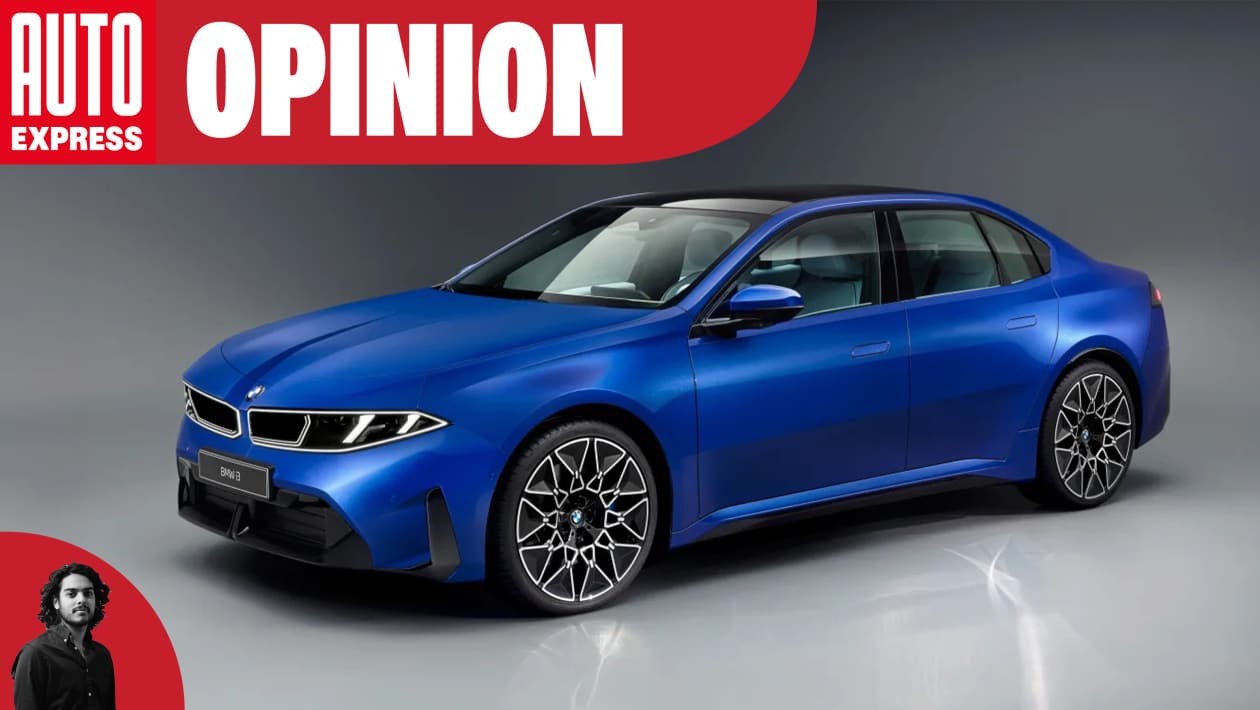
BMW’s upcoming i3, previewed in November 2025, is generating buzz as a potential disruptor in the electric vehicle market. Initial impressions suggest a sleek, agile design – a welcome contrast to the increasingly bulky SUVs dominating today’s roads.
Design and Packaging Trade-offs
While the overall aesthetic is well-received, the i3 isn’t without compromises. The integration of a substantial 110mm-high battery pack under the floor raises both the sill height and cabin floor. This impacts rear passenger space, making it feel less spacious compared to competitors like the Polestar 2, Tesla Model 3, and BYD Seal. BMW does offer the larger iX3 as an alternative for buyers prioritizing roominess, but the i3 prioritizes a more compact form factor.
Interior and Driving Experience
Despite packaging constraints, the i3 excels in driving ergonomics. The Panoramic iDrive system is seamlessly integrated into the interior, maximizing visibility through deep side windows and eliminating the distraction of a high-mounted driver’s display. This suggests a focus on driver engagement and a more intuitive cockpit layout.
The i3’s design represents a shift towards more compact, European-style EVs, though it requires trade-offs in interior space. BMW appears to have prioritized driving experience and aesthetics over outright roominess, potentially appealing to a different segment of the EV market.