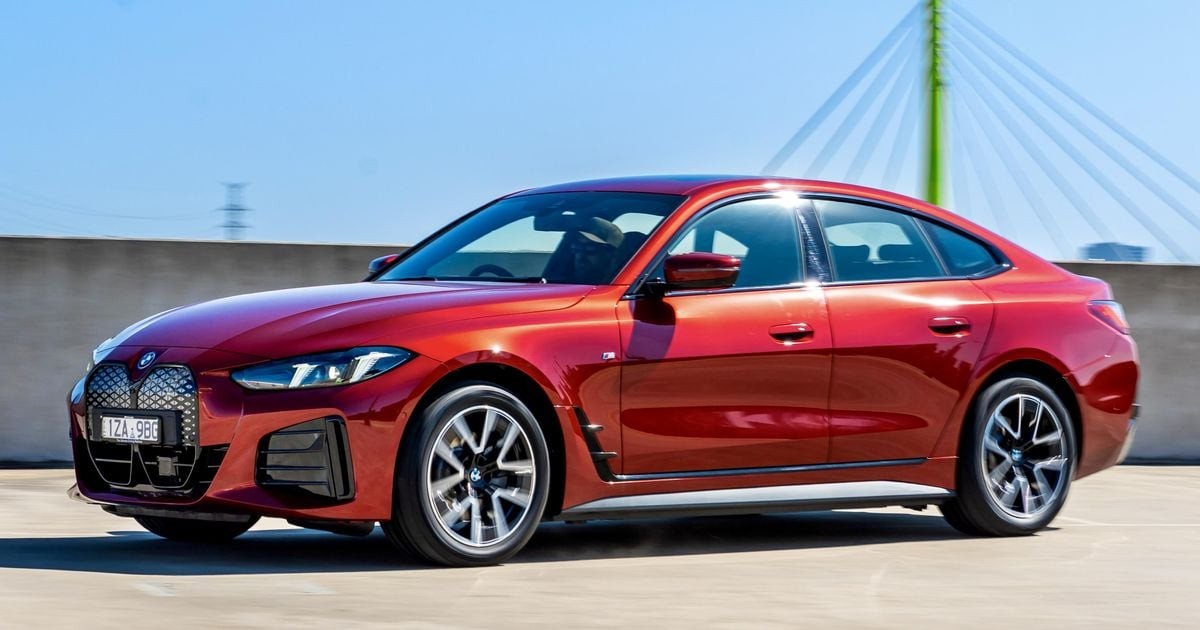
BMW’s electric sedan, the i4, remains a compelling option in the rapidly evolving EV market, though it now exists as a single, streamlined variant. While newer models loom on the horizon, the 2026 i4 eDrive35 offers a balance of performance, practicality, and premium features at a competitive price point – but faces challenges in range and interior refinement.
The Pruned Lineup: Why Less is More
BMW has simplified the i4 range for 2026, retaining only the base eDrive35 model. This decision reflects sales data, where the entry-level trim accounted for 75% of all i4 purchases since 2023. This move signals BMW’s focus on efficiency: why maintain options that don’t sell? However, it also means buyers have limited choices as BMW prepares for the next-generation “Neue Klasse” EVs.
The eDrive35 now costs $88,900 before on-roads, a $3,000 increase from early 2025. Despite the price hike, it remains below the Luxury Car Tax threshold and qualifies for Fringe Benefits Tax exemptions – advantages for fleet buyers.
Competition: Range and Value in the Mix
The i4’s rivals include the Volvo ES90 Plus Single Motor, which offers more range (550km+) for a similar price ($88,880). More affordable options like the MG IM5 Platinum RWD ($69,990 drive-away) and Tesla Model 3 Premium Long Range RWD ($61,900) boast significantly longer ranges (655km and 750km, respectively). The Polestar 4 Long range Single motor Plus ($86,500) is another contender with a 620km range.
BMW’s upcoming Neue Klasse i3 is expected to surpass the i4 in range (800km+) while remaining competitive on price, potentially making the i4 obsolete soon.
Interior: A Step Down in Premium Feel
The i4’s cabin lacks the expected BMW luxury, especially for an entry-level model. Hard plastics dominate the dashboard and door cards, detracting from the premium experience. The black/aluminum interior palette feels drab, though cognac/dark wood options are available.
The interior is dominated by dual screens: a 12.3-inch instrument display and a 14.9-inch touchscreen. The infotainment system is feature-rich but complex, burying essential settings in menus. Wireless phone connectivity is standard, but the wireless charger runs hot due to poor ventilation.
Ergonomics are typical BMW: the steering wheel is large and leather-wrapped, while seats offer good support but lack bolstering. Storage is adequate, though rear headroom and legroom are limited. The plasticky finish extends to the rear seats, undermining the premium feel.
The liftback design offers a generous 470-liter boot, easily surpassing the Toyota Camry in usability despite a smaller on-paper capacity. There’s no under-bonnet storage, an oversight given the empty space under the cover.
Driving Experience: Competent, Not Thrilling
The i4 eDrive35 delivers a smooth, quiet driving experience with 210kW of power and 400Nm of torque. It’s not a sports sedan, despite the M badges. The car excels in comfort and predictability, making it ideal for daily commutes.
Ride quality is good, with the suspension absorbing bumps effectively. Body control is solid, though steering is light. Sport mode tightens the chassis and loosens traction control, allowing for controlled rear-end slip.
Regenerative braking is adjustable, with an ‘Adaptive’ mode using radar to maintain a consistent following distance – though it takes getting used to.
However, the i4’s range (around 370km in real-world testing) is its biggest weakness. It lags behind competitors like the Tesla Model 3, which offers over 500km on a single charge. BMW’s upcoming Neue Klasse EVs promise over 800km, further diminishing the i4’s appeal.
Final Verdict
The 2026 BMW i4 eDrive35 is a capable electric sedan that provides a comfortable and refined driving experience. It offers a balance of performance, practicality, and premium features at a competitive price point. However, its limited range and somewhat underwhelming interior materials prevent it from standing out in a crowded market. With BMW’s Neue Klasse models on the horizon, the i4’s long-term relevance remains uncertain.