

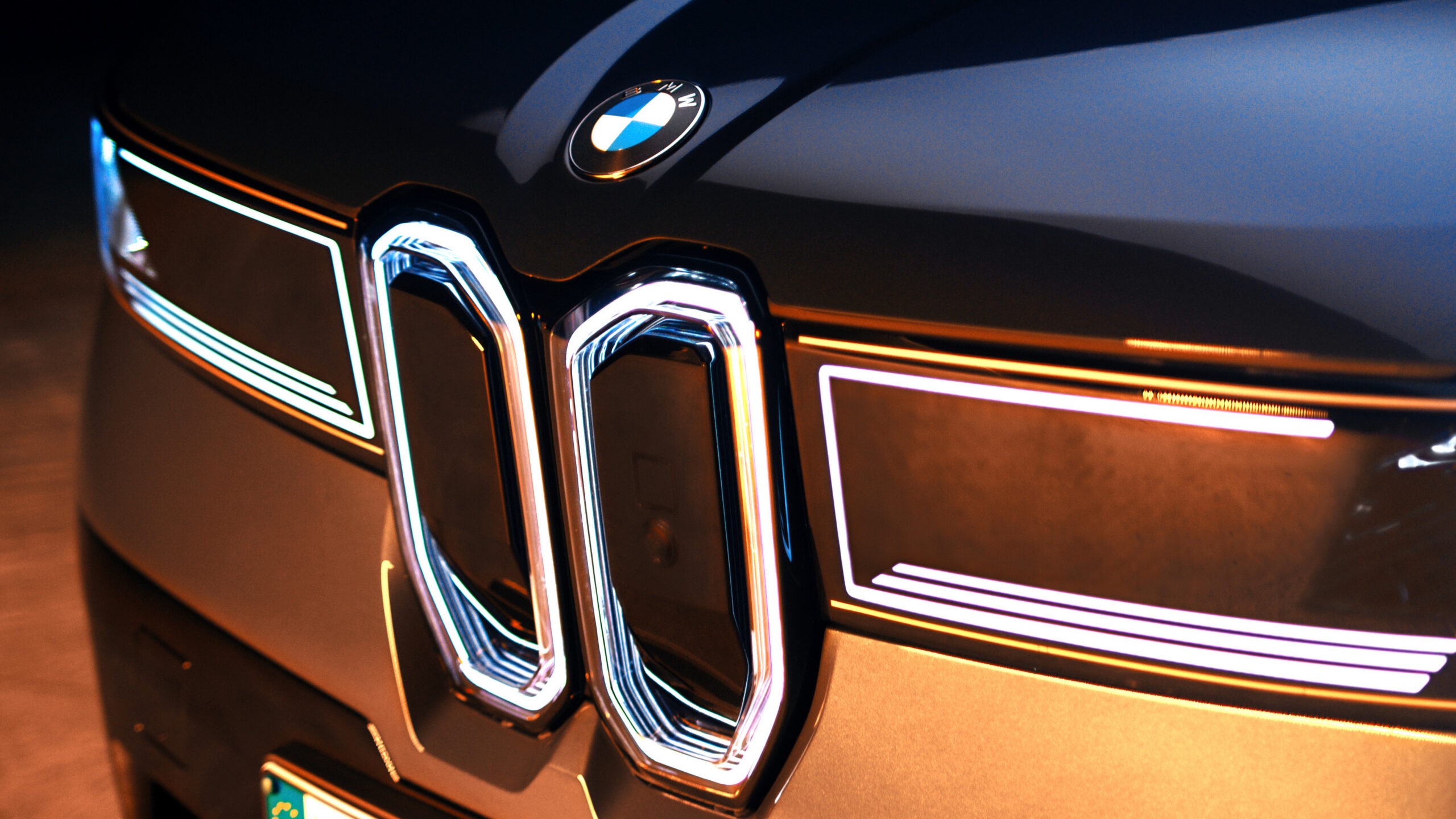
BMW is reportedly evaluating a return to range-extender technology – combining electric power with a small combustion engine for extended driving range – driven by rising consumer interest, particularly in China and the U.S. While the company hasn’t confirmed the move, internal discussions suggest that the X5 and 7-Series models are being considered for this hybrid approach.
Why Range Extenders Are Gaining Traction
The re-emergence of range extenders comes as automakers grapple with consumer hesitancy around full electric vehicle (EV) adoption. Key concerns include limited range, charging infrastructure gaps, and lingering psychological barriers to switching entirely away from gasoline. For customers unwilling to fully commit to an EV lifestyle, a range-extender offers a middle ground: the benefits of electric driving for daily commutes, with a gasoline engine for longer trips where charging may be unavailable or inconvenient.
The trend is particularly pronounced in China, where demand for EREVs (extended-range electric vehicles) is surging. In the U.S., Jeep, Ram, Hyundai, and Scout are all developing or already offering range-extender models, with Scout reporting that over 80% of pre-orders for its new Terra pickup and Traveler SUV are for the extended-range version. This demonstrates a clear preference for the flexibility that these vehicles provide.
BMW’s Strategic Position
BMW previously pioneered range-extender technology with the i3, but discontinued the option as battery technology improved and pure EVs became more viable. Now, with demand shifting again, BMW appears ready to re-enter the market.
The company’s size advantage – its X5 and 7-Series models have ample space for a compact generator engine without sacrificing passenger or cargo room – makes them ideal candidates. Moreover, BMW already manufactures most of the necessary components in-house, including batteries, electric motors, and small engines, minimizing investment costs.
The Broader Implications
If BMW commits to range extenders, it could encourage other German automakers to follow suit. The move also underscores a growing acceptance of hybrid solutions as a bridge towards full electrification, rather than an immediate leap. The persistence of range-extender demand suggests that the transition to EVs will likely be more gradual than some industry forecasts predict.
The company’s spokesperson stated that BMW is “continuously analyzing usage patterns, customer needs and market developments and reviewing the market potential of various technologies.” This confirms that the company is actively considering the possibility, even if it won’t comment directly on specifics.
In conclusion, BMW’s potential return to range-extender technology reflects a pragmatic response to evolving consumer preferences and market realities. The move could signal a broader shift in the automotive industry toward hybrid solutions as a more practical path towards electrification.