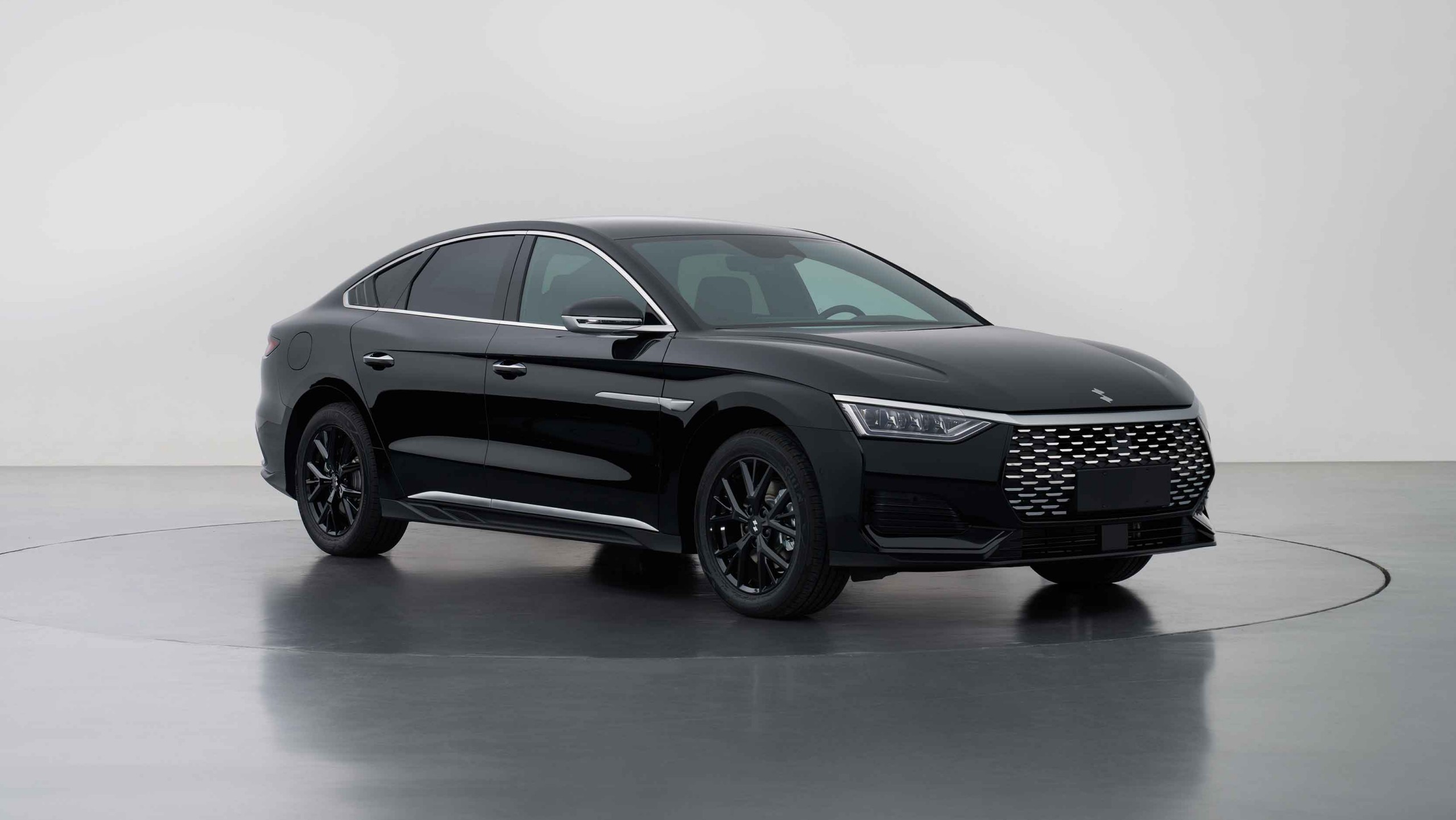
Chinese electric vehicle (EV) giant BYD is introducing a new sub-brand, Linghui, to distance its ride-hailing vehicles from its consumer-focused lineup. Recent filings with China’s Ministry of Industry and Information Technology (MIIT) confirm the launch, complete with a new logo and four initial models: the Linghui e5, e7, e9, and M9. This move is a direct response to how vehicle brands become stigmatized when widely used in ride-hailing fleets, as consumer perception shifts toward lower value.
Linghui Model Lineup: Leveraging Existing Platforms
The Linghui brand doesn’t represent entirely new vehicles; rather, it repackages existing BYD models under a separate identity. This approach allows BYD to maintain its core brand image while still catering to the high-volume, cost-sensitive ride-hailing market.
Here’s a breakdown of the initial offerings:
- Linghui e9 : Based on the BYD Han, this all-electric sedan measures 4995mm in length and offers two motor options: 135 kW (181 hp) or 150 kW (201 hp).
- Linghui e7 : Built on existing BYD platforms, the e7 is 4780mm long and provides 100 kW (134 hp) or 130 kW motor configurations.
- Linghui e5 : Derived from the BYD Qin Plus EV, this compact model measures 4805mm and delivers 100 kW (134 hp) with a single electric motor.
- Linghui M9 : The largest of the lineup, based on the BYD Xia, the M9 is a plug-in hybrid combining a 1.5L engine with an electric motor for a combined output of 200 kW (268 hp).
The Ride-Hailing Stigma: Why Brands Separate Fleets
The decision to create Linghui stems from a clear market trend: vehicles heavily used in ride-hailing services often suffer in private consumer sales. Ride-hailing fleets prioritize affordability over luxury, and a brand’s association with such fleets can create a perception of lower quality or value.
“If a brand becomes predominantly associated with ride-hailing, it tends to acquire a ‘cheap’ label in consumers’ minds, impacting private vehicle sales.”
This is particularly damaging in China’s competitive EV market. Brands like GAC Aion and Neta have seen their retail sales decline due to their popularity among ride-hailing companies. Geely avoids this problem by using the Maple brand exclusively for ride-hailing, keeping its core Geely image intact.
BYD’s Strategy: Isolation and Perception Management
BYD’s Linghui launch is a calculated move to isolate its ride-hailing models from its consumer lineup. By giving these vehicles a distinct identity, the company aims to prevent the “cheap” stigma from spreading to its higher-margin passenger cars. This approach allows BYD to serve both markets without damaging its brand equity.
The success of this strategy remains to be seen, but it demonstrates a growing awareness among automakers of the need to carefully manage brand perception in the rapidly evolving EV landscape.