The Australian automotive market continues to favor mid-size SUVs, with nearly 300,000 units sold this year alone. Despite the popularity of utes in the outback, crossover vehicles dominate sales figures. CarExpert’s 2025 readership data reveals a clear trend: Chinese automakers are gaining significant traction, while established bestsellers like the Toyota RAV4 and Mazda CX-5 have unexpectedly faded from the spotlight in terms of review engagement.
This shift highlights a growing consumer appetite for value and innovative features, often found in newer, more aggressively priced vehicles. The dominance of Chinese brands in this list reflects a broader industry trend—the increasing competitiveness of EV and hybrid offerings from overseas manufacturers.
Top 5 Most Viewed Reviews
Here’s a breakdown of CarExpert’s five most-read mid-size SUV reviews of 2025, offering insight into why these vehicles resonated with Australian buyers.
5. Subaru Forester Hybrid: Reliability Remains Key
James Fossdyke’s review of the Subaru Forester Hybrid emphasizes its enduring appeal for drivers prioritizing robustness and off-road capability. The updated hybrid system, while appreciated, doesn’t overshadow the Forester’s core strengths. As Fossdyke notes:
“If you value ruggedness, reliability and off-road capability above all else, the Forester is still the car for you.”
The Forester remains a solid choice for those needing a dependable, all-weather vehicle, but may not offer the same refinement as newer competitors.
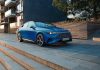
4. Geely EX5: A Bold Step into the EV Market
The Geely EX5 marked a significant entry for Chinese EVs into Australia. Jack Quick’s review highlights its surprising silence and snappy acceleration, particularly for drivers transitioning from combustion engines. However, it also points out critical drawbacks:
“The technology feels eerily reminiscent of a Tesla besides there being a digital instrument cluster and head-up display, there’s no Apple CarPlay and Android Auto available at launch, and the blobby looks and limited paint colour palette do it no favours.”
Geely’s local chassis tuning is commendable, but the EX5 still lags behind rivals in handling and overall polish. Pricing will be the deciding factor for many potential buyers.
3. Zeekr 7X: Chinese Innovation Gains Traction
Zeekr’s 7X is making waves as a stylish and well-equipped electric SUV. Matt Campbell’s brief drive in China left him impressed:
“This will be one of the most enticing new electric models to arrive in the bustling mid-size SUV market this year.”
The 7X’s standout design and tech features position it as a strong contender against established brands.
2. BYD Sealion 7: Function Over Form
BYD’s Sealion 7 is a functional, no-nonsense electric SUV gaining traction in Australia. Max Davies’ review praises its practicality and smooth operation:
“Everything just works, and the inclusion of various items like physical air vents and a handful of actual buttons make the car easier to operate on the move – especially compared to the screen-only Model Y and Deepal S07 mid-size SUVs.”
While not the most visually striking vehicle, the Sealion 7 offers a solid ride, ample space, and competitive pricing, making it a compelling alternative to established rivals.
1. BYD Sealion 6: The PHEV Market Leader
The BYD Sealion 6 has emerged as the best-selling plug-in hybrid in Australia, and CarExpert’s senior contributor, Matt Campbell, confirms its appeal:
“If you want a mid-size SUV and you’re not sure if going full-electric is right, then the Sealion 6 could be the best option for you.”
Its combination of EV range, features, and affordability has resonated with buyers hesitant to fully commit to electric.
Conclusion: The shift in consumer interest towards Chinese automakers is undeniable. BYD’s dominance, coupled with the growing presence of brands like Zeekr and Geely, suggests a fundamental change in the Australian automotive landscape. Buyers are increasingly prioritizing value, technology, and practicality over traditional brand loyalty.