The race for electric vehicle (EV) supremacy is no longer just about range; it is about how quickly a vehicle can return to the road. In a rapid-fire series of technological breakthroughs, battery giant CATL has once again moved the goalposts, unveiling its 3rd-generation Shenxing LFP battery with charging speeds that dwarf recent industry benchmarks.
A New Benchmark in Speed
The pace of innovation in the battery sector has become dizzying. Only weeks ago, BYD’s Blade 2.0 battery was considered a leader for its ability to charge from 10% to 70% in five minutes. However, that record has already been eclipsed twice. First, Geely’s “Golden Brick” battery improved the time to 4 minutes and 22 seconds. Now, CATL has rendered those figures nearly obsolete.
The new Shenxing LFP battery achieves a 10–80% charge in just 3 minutes and 44 seconds. To put that into perspective:
– It is nearly two minutes faster than Geely’s latest offering for the same charge level.
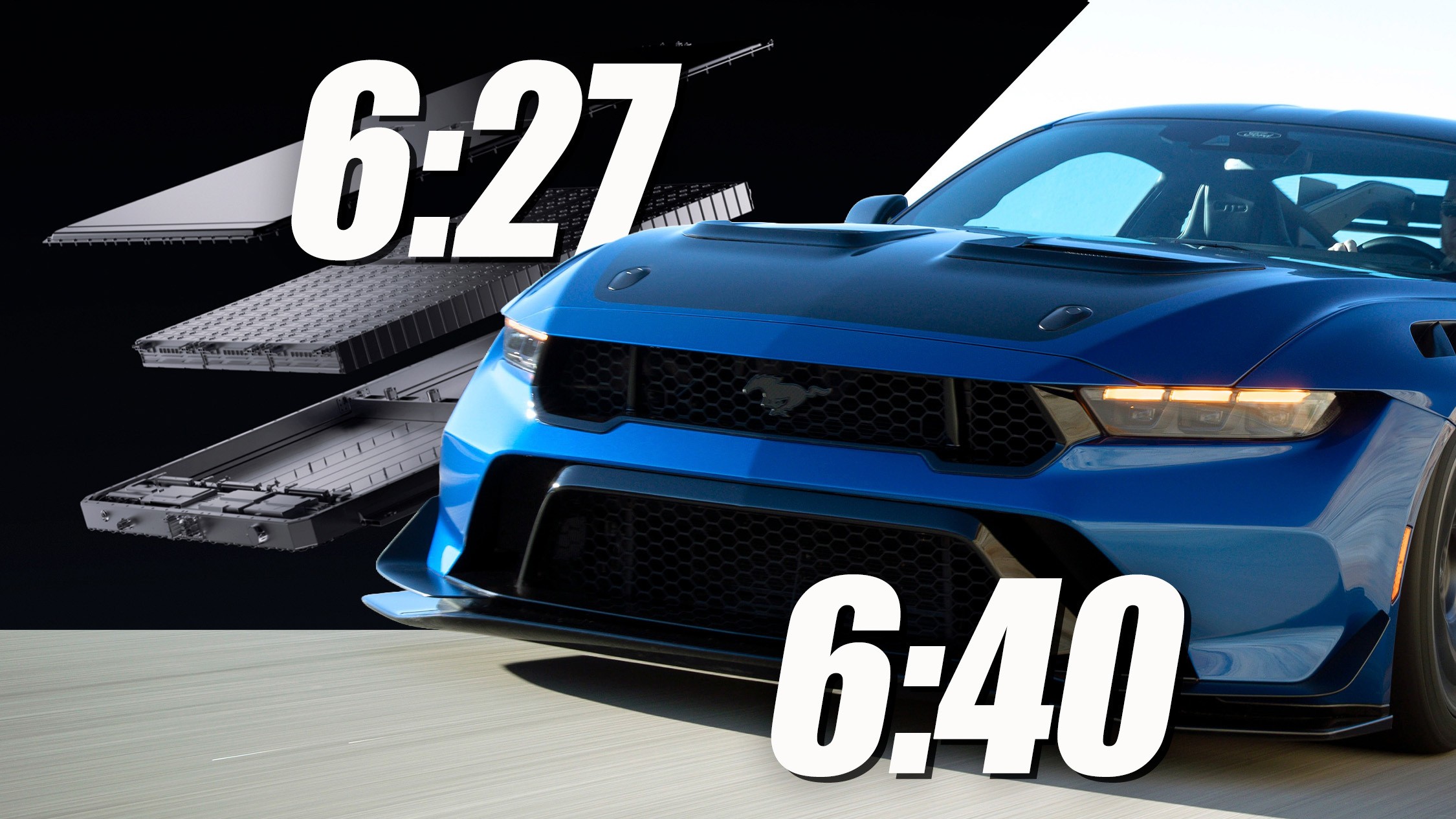
– The time it takes to go from nearly empty to nearly full (10–98%) is just 6 minutes and 27 seconds.
– For comparison, Geely requires 8 minutes and 42 seconds, while BYD takes 9 minutes for a similar fill.
The speed is most aggressive at the start of the cycle; the battery can jump from 10% to 35% in a single minute, providing an immediate burst of range for drivers in a hurry.
Overcoming the “Cold Weather” Barrier
One of the most persistent criticisms of EV technology is performance degradation in low temperatures. Rapid charging usually generates heat, but extreme cold can impede the chemical processes required for fast energy transfer.
CATL has addressed this through two specific engineering feats:
1. Self-Heating Technology: The battery uses heat pulses to raise internal temperatures, optimizing the cells for rapid intake.
2. Advanced Monitoring: Multi-point temperature monitoring for each individual cell ensures stability during high-speed transfers.
The results are significant: even at -30°C (-22°F), the battery can complete a 10–98% charge in just 9 minutes.
Durability and the “Fast-Charge” Debate
There has been growing skepticism within the industry—notably from engineers at companies like BMW—regarding whether “ultra-fast” charging inevitably leads to rapid battery degradation. Frequent high-voltage charging can cause internal stress, shortening the lifespan of the pack.
CATL is attempting to silence these concerns with a bold durability claim: the Shenxing battery is expected to maintain over 90% health even after 1,000 ultra-fast charge cycles. If verified, this would suggest that extreme speed does not have to come at the cost of long-term reliability.
The Global Landscape
While CATL’s technological lead is evident, the rollout of this technology remains geographically fragmented.
– BYD is actively expanding its “Flash Charging” network into Europe.
– CATL is exploring bringing its technology beyond China’s borders in partnership with SAIC-GM-Wuling.
– The US market remains an outlier; due to current trade dynamics and local manufacturing shifts, this specific high-speed technology is unlikely to reach American shores in the immediate future.
The shift from “range anxiety” to “charging anxiety” is being solved by raw speed, as manufacturers move toward making the charging stop as brief as a traditional fuel stop.
Conclusion
CATL’s Shenxing battery represents a massive leap in LFP (Lithium Iron Phosphate) technology, proving that ultra-fast charging can be achieved without sacrificing longevity or performance in cold climates. As the industry moves toward these sub-7-minute charging windows, the competitive pressure on legacy automakers to adopt similar high-density, high-speed solutions will only intensify.