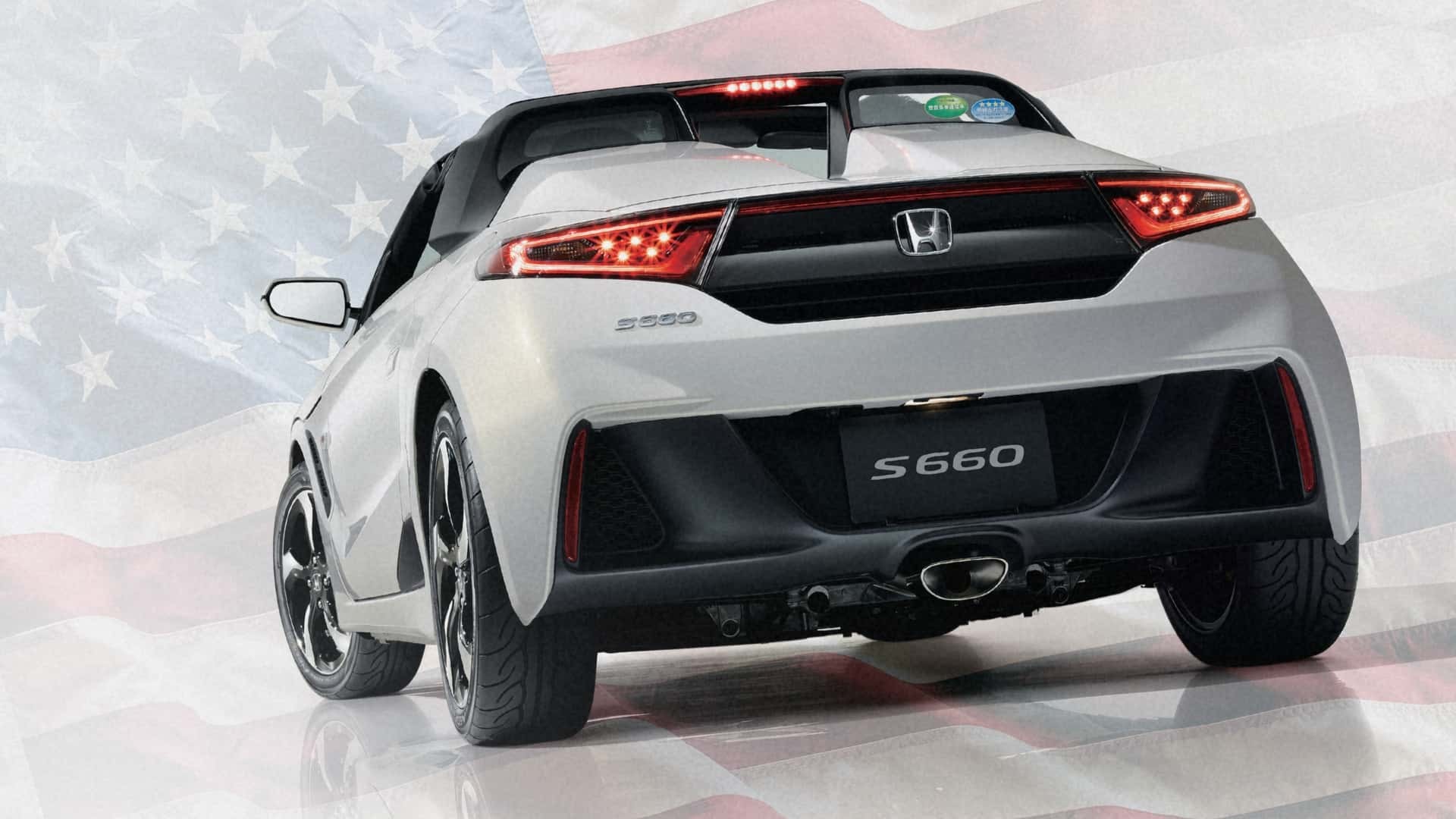
The idea of importing Japan’s ultra-compact “kei cars” to the United States gained traction when former President Trump expressed his fondness for them. While charming in dense cities like Tokyo, where they excel at navigating narrow streets, kei cars are fundamentally unsuited for the American market. Despite any enthusiasm, a closer look at consumer behavior and practical realities suggests this initiative is unlikely to succeed.
The American Preference for Size and Power
American drivers overwhelmingly prefer larger vehicles. Attempts to sell smaller cars like the Fiat 500 and Mitsubishi Mirage have consistently underperformed. As of late 2023, Fiat sold only 1,076 of its 500e electric model, despite aggressive marketing. Mitsubishi’s Mirage, while selling more (over 13,000 units), is also slated for discontinuation in 2025 – a clear sign that demand isn’t strong enough to justify further investment.
This pattern isn’t new. Mercedes-owned Smart exited the U.S. market in 2019 due to weak sales and high compliance costs, even though the brand remains popular in Europe. The core issue isn’t just price or range; Americans simply don’t want small cars in significant numbers.
Performance and Practicality Concerns
Kei cars typically produce between 50 and 80 horsepower, making them dangerously underpowered for American highways. Merging onto fast-moving interstates or overtaking larger vehicles becomes a hazard, especially given the dominance of trucks and SUVs. The cars’ limited top speed (around 60-70 mph) and basic construction make them noisy and uncomfortable for long drives.
The U.S. driving environment – vast highways and high speeds – is incompatible with kei car capabilities. Unlike Japan’s crowded streets, American roads demand more power and size.
Economic Barriers and Regulatory Hurdles
Even if demand existed, importing kei cars would be expensive. Current Japanese prices (¥1.2 to ¥2 million, or roughly $8,000 to $15,000) would be inflated by shipping, tariffs (Trump proposed a 15% tariff on Japanese imports), and necessary safety upgrades.
The U.S. Department of Transportation has confirmed that imported kei cars must meet American crash standards, requiring significant retrofitting or entirely new models. This could push the final price to around $20,000, negating any cost advantage.
The Exception: Kei Trucks
One possible exception is kei trucks. Similar to the Ford Maverick, Americans have shown interest in small pickup trucks. A dedicated community even lobbied the government to keep them legal in certain states. However, even these trucks are underpowered and small for most American drivers, making them a niche product at best.
Conclusion
President Trump’s idea of bringing kei cars to America faces insurmountable obstacles. Consumer preferences, performance limitations, and economic realities all point to failure. The history of small car sales in the U.S. – from the Fiat 500 to the Smart car – proves that Americans don’t want them. While niche markets may exist (like kei trucks), a widespread adoption is unlikely, and the initiative will likely remain just another unrealized promise.