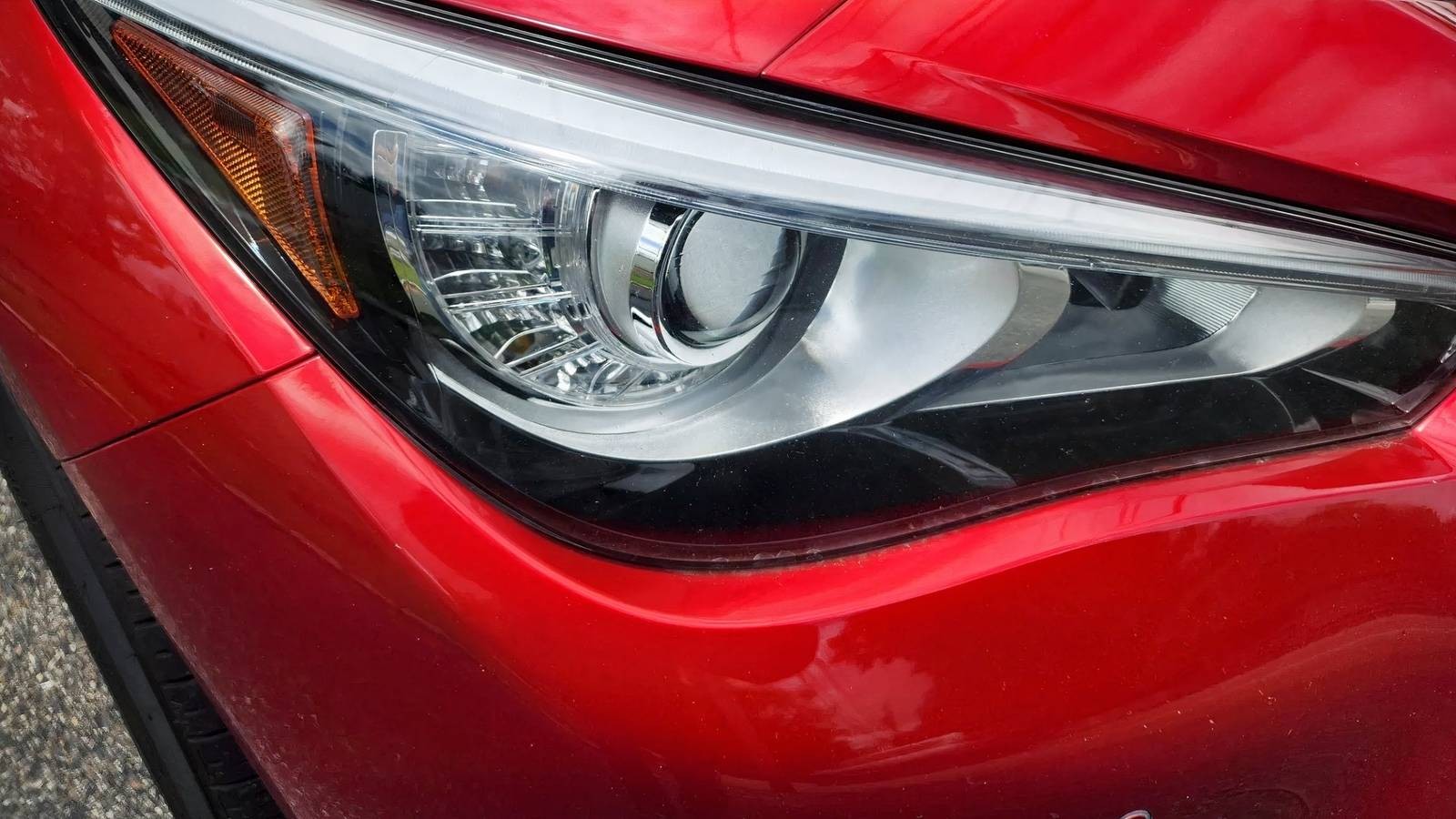
For roughly the price of a base 2026 Toyota Corolla, you can buy a faster, more luxurious, and arguably more exciting car: the 2016 Infiniti Q50 Red Sport 400. Classified listings frequently show this twin-turbocharged, 400-horsepower sport sedan selling for around $17,000. This price point raises a simple question: why settle for basic transportation when you can get substantial performance and comfort for less?
The Skyline Heritage Underneath the Infiniti Badge
The Q50 Red Sport 400 isn’t just another Japanese sedan. It carries the spirit of the legendary Nissan Skyline, a lineage renowned for blending daily usability with serious performance potential. Over generations, the Skyline was always about offering a sports car experience without sacrificing practicality. Rear-wheel-drive layouts, powerful engines, and balanced handling were its hallmarks. When Nissan shifted to global branding, Infiniti inherited this engineering DNA, positioning certain models as premium alternatives without abandoning performance entirely.
The Q50 maintains this balance: it delivers the performance heritage while providing a quieter, more refined driving experience. The 3.0-liter twin-turbo V6 is not an afterthought; it’s a modern, potent engine designed for accessible power, offering strong torque and responsiveness. The result is a car that feels planted, controlled, and capable without being overly aggressive.
Why Is This Sedan So Much Cheaper Than a New Corolla?
The price gap between the Q50 Red Sport 400 and a new Corolla isn’t accidental. Luxury cars, particularly those from brands without the same prestige as BMW or Mercedes-Benz, depreciate faster. Brand perception plays a significant role: cars with stronger perceived status often retain higher resale values. Add to this the broader market shift towards crossovers and SUVs, which has suppressed demand for sporty sedans, and you have a recipe for exceptional value.
The Q50 also suffered from the early depreciation typical of luxury vehicles. The first few years see the steepest drop in value. This creates an opportunity for buyers willing to look past badges and manage ownership responsibly. The Q50 is a prime example of how engineering and market forces can converge to create an unexpectedly strong value proposition.
Performance That Rivals Newer, More Expensive Cars
The Red Sport 400’s 3.0-liter twin-turbo V6 produces approximately 400 horsepower and 350 lb-ft of torque. That is a performance level that rivals many older European sports sedans. Acceleration tests show a 0-60 mph time in the mid-four-second range, making it quicker than many modern mainstream cars. The automatic transmission delivers smooth shifts, and the rear-wheel-drive bias provides engaging handling. The engine isn’t about peak numbers; it’s about usable power that feels confident in everyday driving.
Infiniti didn’t skimp on the interior either. The Q50 Red Sport 400 offers leather-trimmed seats, a well-designed dashboard, and a comfortable cabin that’s practical for daily commutes and long trips. The trunk space is generous, making it a viable family vehicle. While the technology may not be cutting-edge by 2026 standards, it remains functional and user-friendly.
The Bottom Line: A Rare Opportunity in the Used Market
The 2016 Infiniti Q50 Red Sport 400 represents a compelling value proposition for drivers who prioritize performance and are willing to do their due diligence. While maintenance costs and potential repair bills on a turbocharged engine should be considered, the car’s price point makes it a strong contender against newer, less capable vehicles.
The Q50 is more than just a cheap sports car. It’s a well-engineered, comfortable, and surprisingly capable sedan that carries a hidden pedigree. For those who look beyond badges and focus on value, the Red Sport 400 offers a driving experience that feels far more expensive than it actually is.