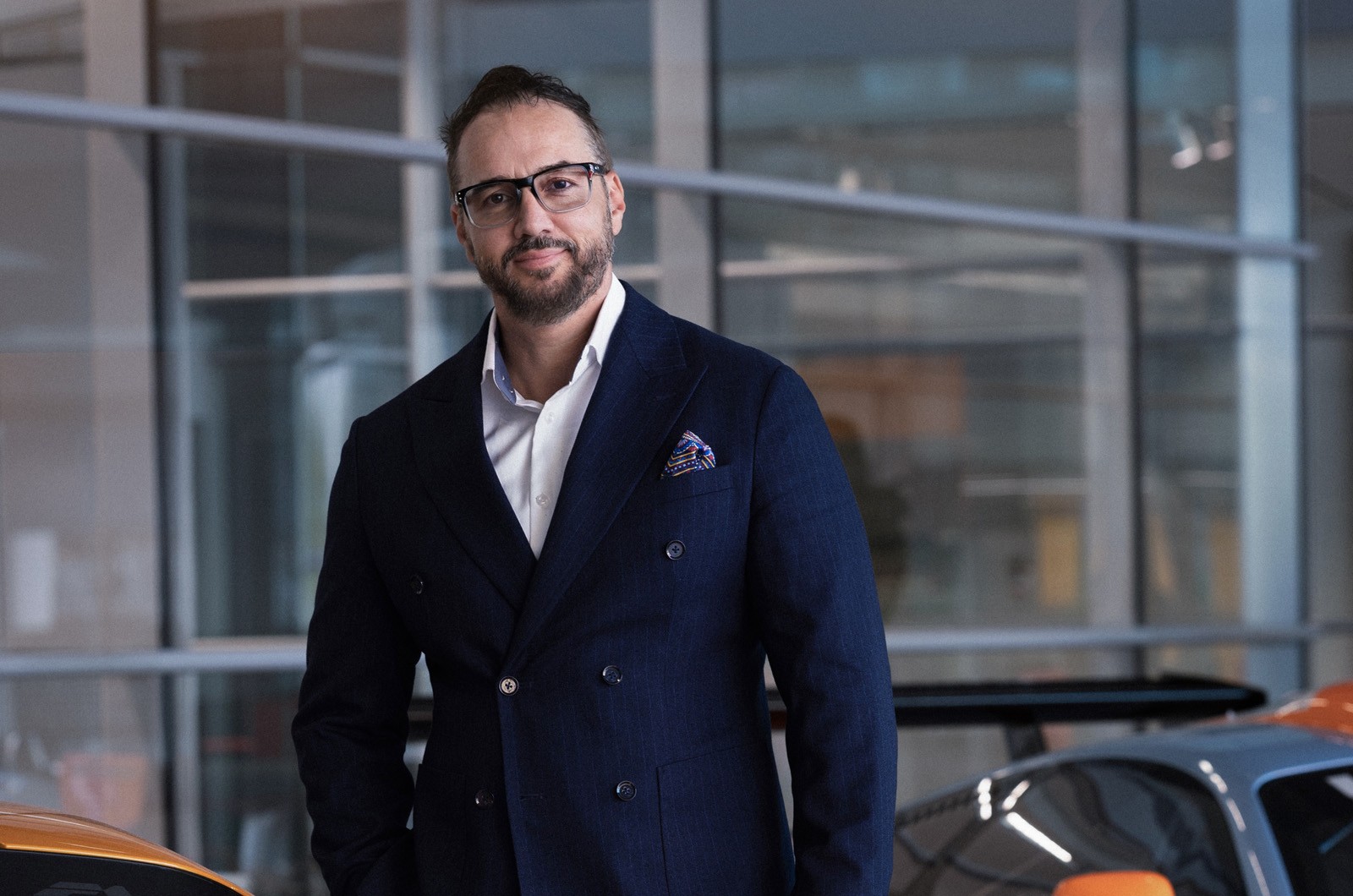
McLaren Automotive has officially appointed Kemal Curic as its new head of design, marking a significant leadership transition for the British supercar manufacturer. Curic moves to Woking from the United States, where he most recently led design efforts for Ford’s luxury brand, Lincoln.
A Proven Track Record in Automotive Styling
Curic brings two decades of high-level design experience to McLaren. Having joined Ford in 2004, his career trajectory reflects a deep versatility in both mass-market and premium segments:
- Early Career: He began as an interior designer and played a key role in the styling of the Mk3 Focus.
- Iconic Design: He rose to prominence by leading the design of the S550-generation Ford Mustang, one of the most recognizable muscle cars in the world.
- Luxury Leadership: Most recently, he headed design for Lincoln, Ford’s premium division, honing his ability to balance brand heritage with luxury aesthetics.
He succeeds Tobias Sühlmann, who departed for Porsche earlier this year after serving three years as McLaren’s chief design officer.
The Mandate: Shaping a New Era
In his new role, Curic will oversee the entire creative direction of the McLaren Automotive portfolio. This is a comprehensive remit that includes:
– Exterior and Interior design
– Color, Materials, and Finishes (CMF)
– Digital design interfaces
This appointment comes at a critical inflection point for the company. Following its merger with the startup Forseven last year, McLaren is preparing for a massive overhaul of its product lineup. The manufacturer is looking to expand beyond its traditional supercar niche into new market segments, with the first model under this new era expected to be previewed this summer.
Strategic Timing and Uncertainty
While Curic’s arrival signals a fresh chapter, a key question remains for industry observers: How much influence will he have over the immediate future of the brand?
Because McLaren is due to reveal its first post-merger model very soon, it is currently unclear if Curic will be the architect of these upcoming vehicles or if their designs were finalized under the previous leadership. However, his appointment suggests that McLaren is positioning itself for a long-term evolution, ensuring that the “next generation” of cars maintains the brand’s signature blend of racing heritage and engineering precision.
“I look forward to working with the talented teams at McLaren to create the next generation of breathtaking, purpose‑driven cars.” — Kemal Curic
Conclusion
By hiring a designer with experience in both iconic performance vehicles and luxury segments, McLaren is signaling its intent to evolve its design language as it expands into new automotive territories. Curic’s leadership will be vital in defining how the brand balances its supercar DNA with its upcoming diversification.