Chinese automaker Dongfeng Motor has revised its timeline for mass-producing solid-state batteries, pushing the launch back from September 2026 to 2027. The decision comes after internal assessments revealed ongoing challenges in technical implementation, cost management, and scaling production.
Initial Ambitions and Technical Progress
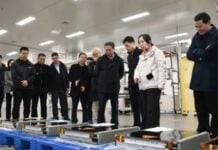
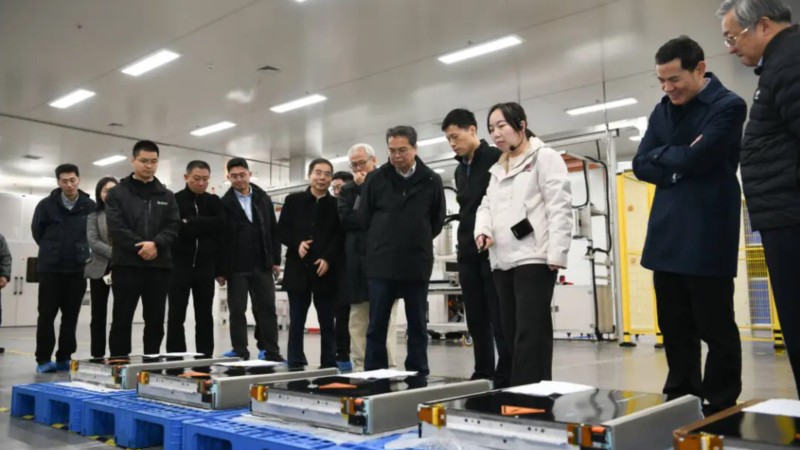
In late 2025, Dongfeng announced plans to begin solid-state battery production with a target energy density of 350 Wh/kg. A pilot production line with 0.2 GWh capacity was already in place. However, recent inspections by external directors at Dongfeng’s solid-state battery plant prompted the adjustment.
The company has made significant R&D strides, developing liquid-solid-state batteries using a novel electrolyte membrane composite technology and electrode solidification techniques. These innovations aim to extend the driving range of electric vehicles. Despite this progress, the company cites unresolved hurdles in commercialization.
Challenges and Strategic Adjustments
Dongfeng acknowledges the need for deeper discussion regarding optimal technical approaches, cost control measures, and a sustainable pace for industrial rollout. The postponement reflects a pragmatic decision to ensure the technology is fully refined before mass deployment.
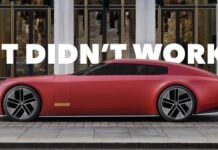
Notably, Dongfeng showcased its Dongfeng eπ 007 sedan equipped with a solid-state battery during the plant visit. External directors test-drove the vehicle, demonstrating the technology’s viability despite the delayed production timeline.
Battery Specifications and Future Platforms
Dongfeng’s solid-state battery boasts a 350 Wh/kg energy density, utilizing a ternary cathode, silicon-carbon anode, and oxide polymer composite solid electrolyte. The battery retains 72% of its capacity at -30°C and has passed rigorous thermal safety tests up to 170°C.
These batteries will integrate into Dongfeng’s Mach Super-kV Pure-Electric Platform, featuring a 1,200 V high-voltage architecture with a 1,700 V SiC power module. The platform supports ultra-fast charging, providing up to 2.5 km of range per second. The e-motor is capable of 30,000 rpm, targeting a peak range exceeding 1,000 km.
This delay underscores the complexity of solid-state battery commercialization, even for state-backed automakers. While technical progress is evident, challenges in scaling and cost reduction remain significant hurdles. The revised timeline suggests a cautious approach focused on delivering a reliable and competitive product rather than rushing to market.