


The internal combustion engine is technically a dinosaur. But don’t tell that to the old blocks sitting under hoods. Electrification is eating the future, sure. New EVs hum and zap. They have zero character. We aren’t waiting for the Tesla 3D printed motor to become legendary, it’s not happening. So while the industry rushes toward batteries, we salute the ones that stayed alive. The long-suffering units. The ones that worked hard for decades.
Here is a look at the engines that outlasted their prime, their manufacturers, and sometimes reason itself.
The Opel CIH
It lasted thirty years. 1965 to 1995. A decade is long. Three decades is stubborn.
The Cam In Head engine from General Motors’ European branch was a shapeshifter. Four cylinders, six cylinders, displacements swinging from 1.5 litres all the way up to 3.6 litres. Flexible? Absolutely. It fit in everything from the Opel Ascona to the Manta.
It actually debuted in the second-gen Rekord. That was its entry point. By the end, in 1995, it was powering the Isuzu MU. In the UK you called it the Vauxhall Frontera, but it was the same soul. It showed up in the Kadett, the Omega, the Rekord, and across the ditch in Holden Toranas. It even survived in Daewoo Royales. Just… keeping on ticking.
Ford Modular V8
You might not realize this because Ford keeps downscaling. The push for EcoBoost makes the old giants seem obsolete.
But the Modular V8 is thirty-six years old. And still going.
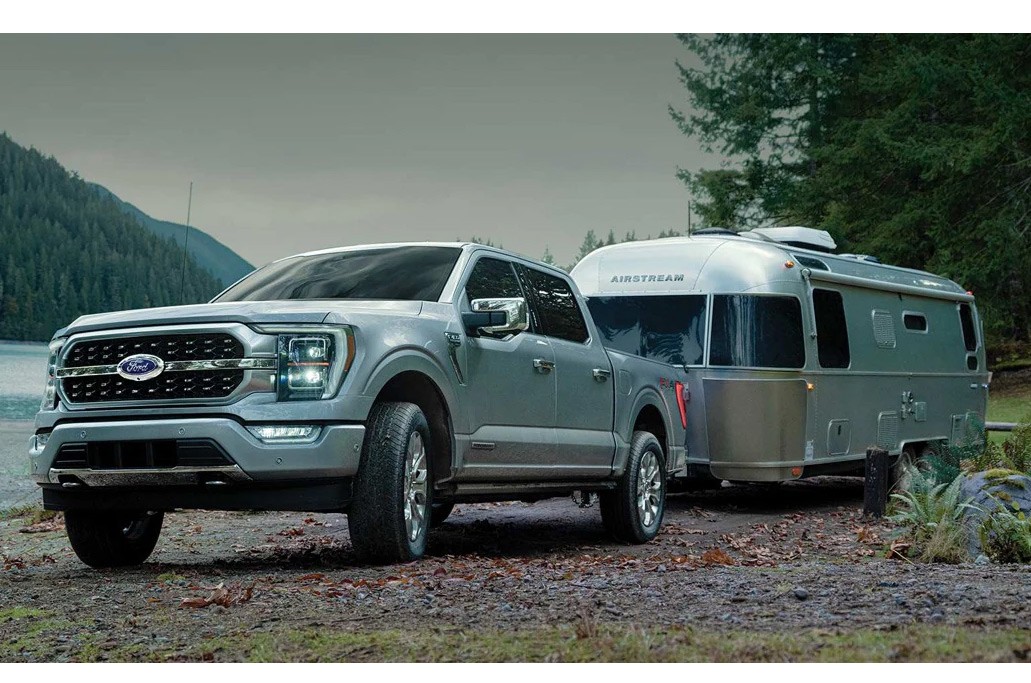
It’s a cast-iron block, heavy as sin, paired with aluminum heads and pistons to save a few pounds. Displacements ranged from 4.6 to 5.8 litres. They even squeezed a 6.8-litre V10 out of it for the Super Duty trucks. It isn’t just for plows and haulers either.
Some people bolted this engine to things that shouldn’t have engines. The Marcos Mantis used it. The Panoz Esperante used it. It powered cars doing 240 mph with over 800 hp on tap. From the Lincoln Town Car to the Koenigsegg CCR. It’s built in Windsor, Ontario, right now. Still there. Still making metal spin.
One engine. Every platform. For more than three decades.
The Rover V8
Thirty-seven years. A near generation.
It started life as the Buick 215 in 1960. GM made it for Buicks and Pontiacs, then realized it was too expensive and not reliable enough. So they abandoned it. Threw it in the scrap heap of corporate decision making.
Rover picked up the pieces. They redesigned it. Fixed it. Made it bulletproof.
It was an all-aluminum beast. Light. Punchy. Lots of torque. It began as a 3.5 litre, ended as a 4.6. You found it in the Land Rover Series. In the SD1 3500. In TVRs, Morgans, and MGs. It defined an era of British performance, mostly by refusing to break down when GM thought it was a mistake.
Does it get older than this? The engine dies when the manufacturer does. The chassis rots, the paint peels. The block just waits.
We drive electric cars now. We swipe screens instead of turn keys. The silence is polite. It lacks history. The CIH, the Modular, the Rover V8 — they have scars. They have oil leaks. They have stories.
Will we look back on this moment with nostalgia? Probably. The lithium is charging. The spark plugs are going dark.


