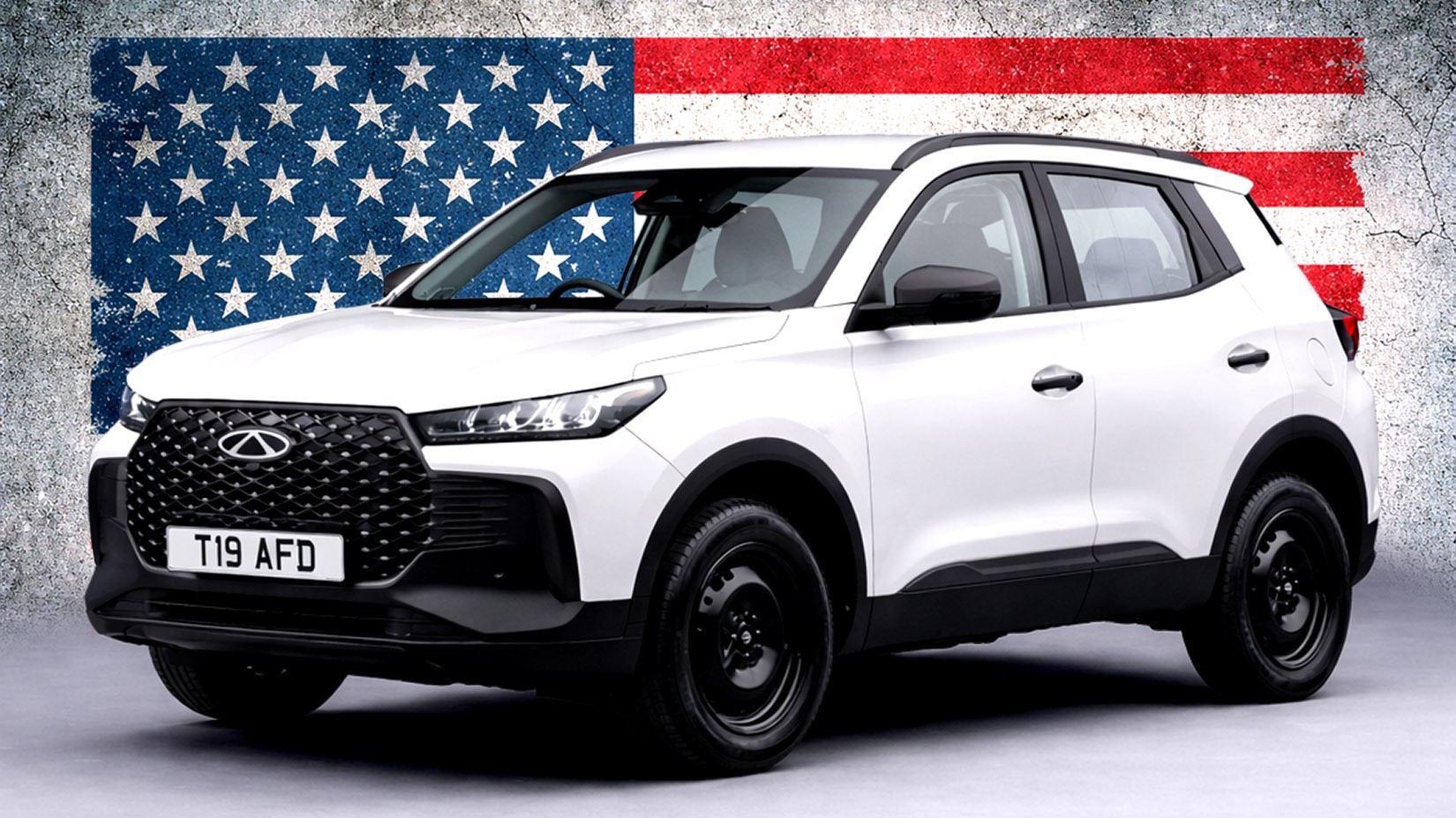
A growing bipartisan coalition in Washington is working to prevent Chinese automakers from establishing manufacturing bases on American soil. Despite recent signals from the Trump administration suggesting a potential openness to foreign investment, three prominent Democratic senators have joined Republican efforts to shut the door on Chinese automotive production.
The Senate Intervention
In a formal letter addressed to President Donald Trump, Democratic Senators Tammy Baldwin, Elissa Slotkin, and Chuck Schumer urged the administration to deny Chinese companies the opportunity to build local manufacturing plants.
The senators framed their opposition around two critical pillars:
– Economic Survival: They argue that allowing Chinese firms to “set up shop” would provide them with an unfair economic advantage that American automakers simply could not overcome.
– National Security: The group warned that such a move could trigger an irreversible national security crisis.
Shifting Political Winds
The pushback comes in response to recent comments made by President Trump. During a speech at the Detroit Economic Club in January, the President expressed a pragmatic interest in Chinese investment, noting that if these companies were to build plants and hire American workers, it would be a positive development for the country.
This stance represents a potential shift in strategy compared to the previous administration. While the Biden administration implemented policies in early 2025 that effectively blocked Chinese vehicles from the U.S. market, the Trump administration appears to be weighing the benefits of industrial resurgence and job creation against the risks of foreign competition.
The White House Response
The White House has moved quickly to distance itself from any suggestion that national security might be traded for industrial growth. In a response to recent inquiries, officials stated that while the administration seeks to increase domestic investment, the idea that they would compromise security to achieve it is “baseless and false.”
China’s Reaction: Accusations of Protectionism
Beijing has reacted sharply to these developments. The Chinese Embassy in Washington has accused the United States of practicing “trade protectionism,” alleging that the U.S. is using discriminatory subsidy policies and regulatory obstacles to block Chinese-made cars from entering the American market.
This tension highlights a fundamental conflict in global trade: the desire to revitalize domestic manufacturing versus the geopolitical risks of integrating a primary economic rival into the national industrial infrastructure.
Summary
The debate over Chinese automakers in the U.S. has evolved from a simple trade dispute into a high-stakes confrontation involving national security and industrial policy. While the administration seeks to bolster American jobs, a bipartisan group of senators is working to ensure that this growth does not come at the expense of domestic economic sovereignty.