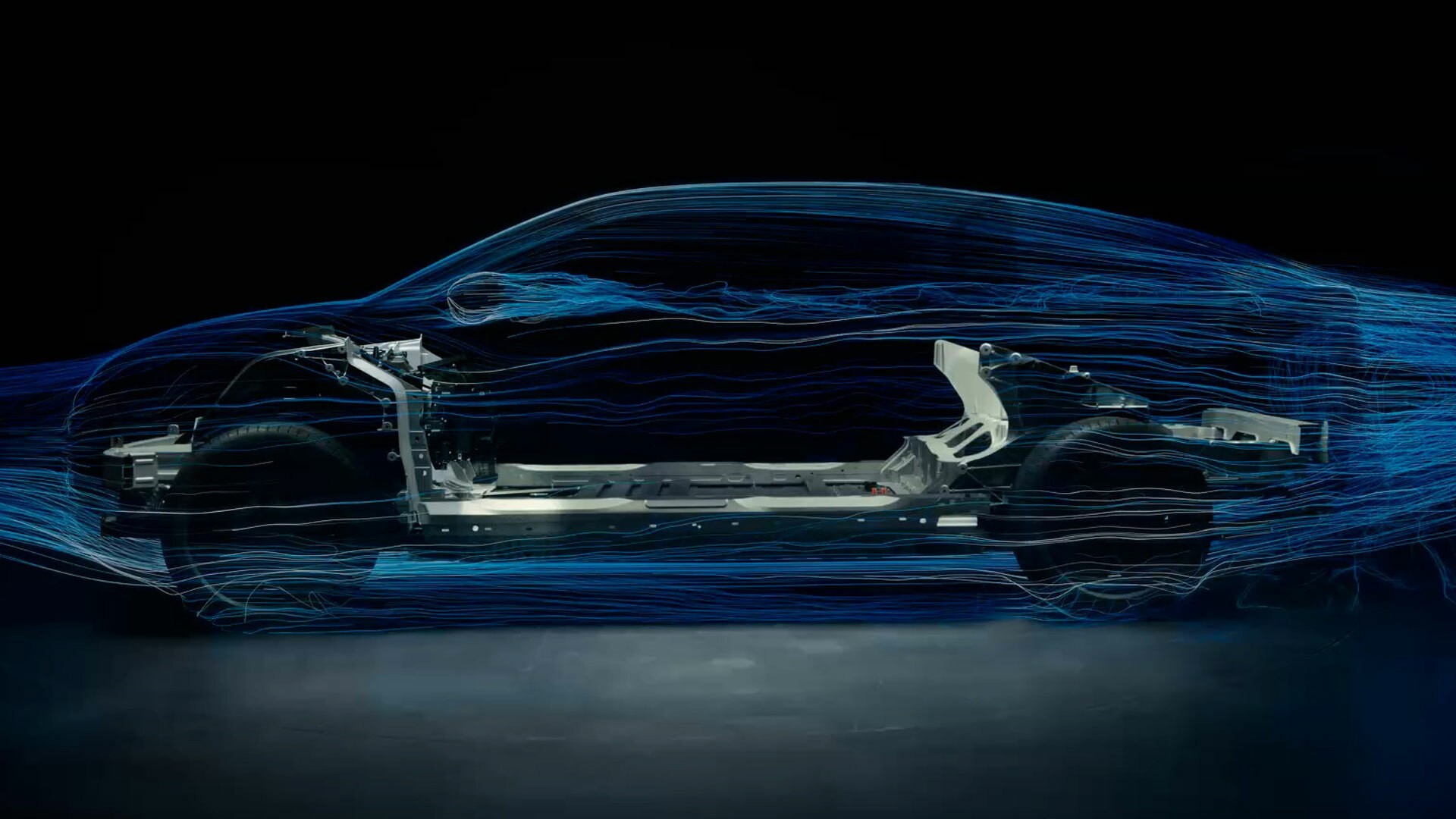
Ford is radically re-engineering how electric trucks are built, aiming for a $30,000 model by 2027. Instead of simply adding bigger batteries to solve range anxiety, the company is obsessively focused on every single detail of efficiency – even down to millimeters of roof height. This isn’t just incremental improvement; it’s a fundamentally different approach to EV development.
The Cost of Millimeters
The core idea is brutal simplicity: every unnecessary component, every extra millimeter of drag, adds cost. Ford claims that raising the roof by just 1mm increases battery costs by $1.30 or reduces range by 0.055 miles. This extreme level of optimization drove the design process, forcing engineers to quantify tradeoffs in precise financial terms.
This isn’t about luxury or features; it’s about bare-bones affordability. The company’s new Universal EV platform will focus on lightweight materials (like aluminum unicastings with a 27% weight advantage over competitors) and streamlined design (20% smaller side mirrors adding 1.5 miles of range).
Battery Costs and System Efficiency
Ford isn’t just cutting corners on the vehicle itself; they’re redesigning the entire charging ecosystem. Batteries currently account for 40% of an EV’s cost and 25% of its weight, so bigger isn’t always better. The new truck will use a cost-effective lithium iron phosphate (LFP) battery pack and an upgraded regenerative braking system to save $100 on battery costs.
Crucially, Ford is also tackling internal energy waste. Power conversion inefficiencies (charging, converting voltage) can drain significant energy. The company developed its own in-house software and fully electric charging system to maximize efficiency and battery lifespan.
Streamlined Architecture
The new truck will feature a radically simplified wiring harness – 4,000 feet shorter and 22 lbs lighter than Ford’s first-generation EVs. The vehicle will also use just two structural components compared to the 146 found in the Maverick, further reducing weight and complexity.
Why This Matters
This isn’t just about a cheaper truck; it’s a challenge to the industry. Most automakers chase range by throwing bigger batteries at the problem. Ford is betting that efficiency, combined with a smaller battery, can deliver an affordable EV without sacrificing practicality. If successful, this approach could disrupt the market and force competitors to rethink their EV strategies. The stakes are high: mass EV adoption depends on affordability, and Ford is making a bold move to lead the way.