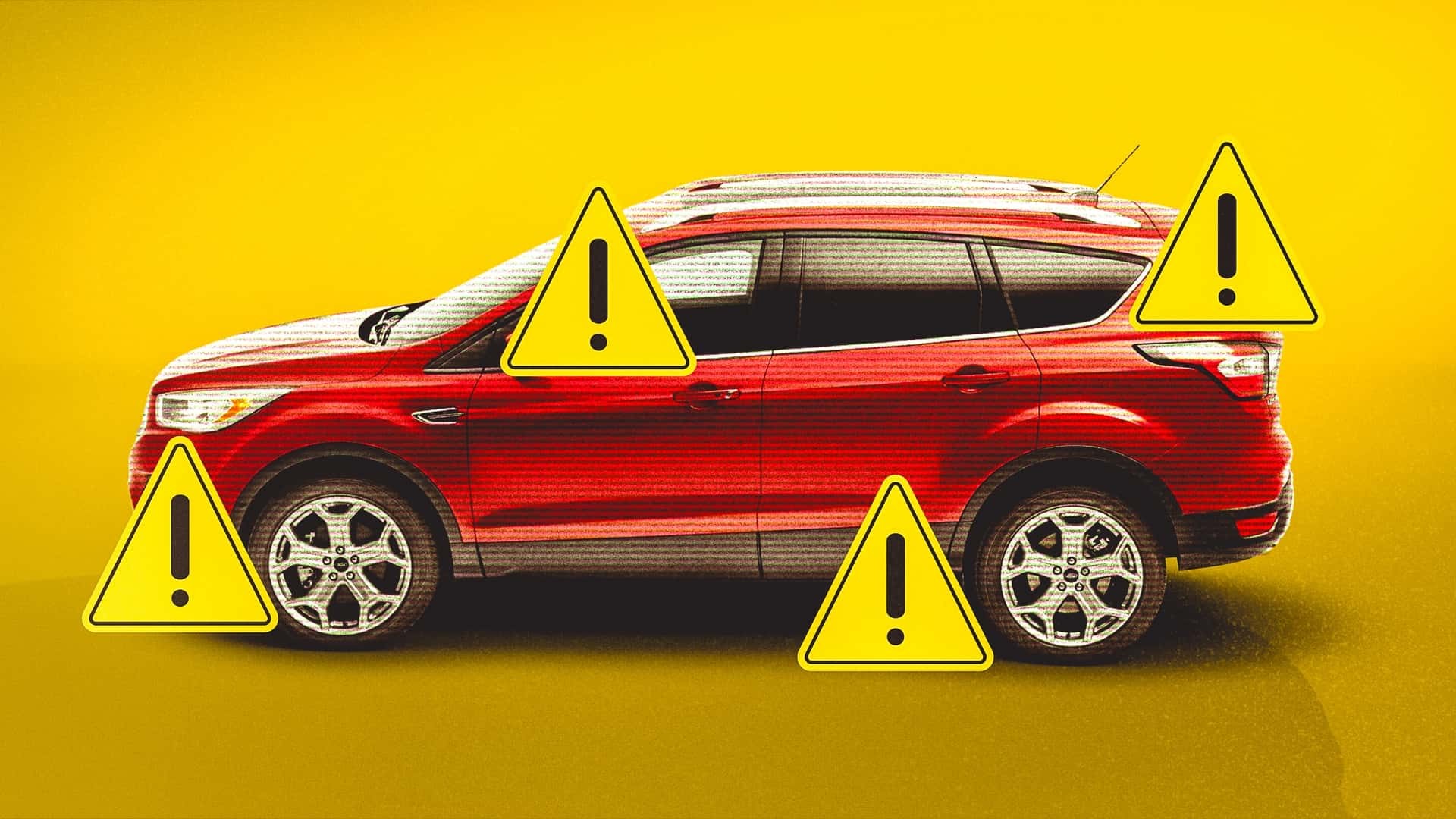
Ford Motor Company has already recalled over 7.4 million vehicles this year, continuing a pattern of high recall numbers that has drawn scrutiny from regulators and consumers alike. While the company claims an aggressive approach to identifying and fixing defects, the sheer scale of these recalls—affecting a wide range of popular models like the F-Series pickup—raises questions about quality control and the increasing complexity of modern vehicles.
A History of Recalls
In 2024, Ford surpassed all other automakers in total recalls, exceeding General Motors by a significant margin with over 13 million vehicles affected. This trend continued into 2025, and despite efforts to improve recall processes under a consent order with the National Highway Traffic Safety Administration (NHTSA), the high volume persists. The company states that this increase reflects a proactive “intensive strategy” for identifying and resolving issues, bolstered by expanded safety teams and increased testing.
However, the sheer number of affected vehicles—including nearly 4.4 million trucks impacted by a trailer brake software glitch —suggests systemic issues beyond isolated incidents. NHTSA previously fined Ford for non-compliance with federal recall requirements, reinforcing the need for greater oversight.
Key Recalls in 2026
As of March 13, 2026, Ford has issued 19 recalls, with the following examples:
- Engine Block Heaters (116,672 units): Potential fire hazard due to short circuits.
- Windshield Bonding (8 units): Inadequate adhesion in 2026 Ford Explorers.
- Trailer Lighting/Brakes (4,381,878 units): A major recall affecting multiple F-Series models.
- High-Voltage Battery (24,690 units): Risk of short circuits in Ford Escape PHEV and Lincoln Corsair PHEV.
- Rear Suspension Toe Link Fracture (412,774 units): Affecting 2017-2019 Ford Explorer models.
- Windshield Wipers (604,533 units): Failure in 2020-2022 Ford Escape/Explorer/Lincoln models.
The Growing Complexity of Automotive Defects
The recalls highlight a broader trend in the automotive industry: vehicles are becoming more complex, with software and interconnected systems introducing new failure points. Over-the-air updates, while efficient for some fixes, also introduce the possibility of software-related defects that can affect millions of vehicles simultaneously.
The increasing reliance on technology necessitates robust testing and quality control measures, yet the sheer volume of Ford’s recalls suggests these measures may still be insufficient. The company’s aggressive recall strategy may be effective in the short term, but it raises concerns about long-term reliability and the potential for future defects.
Ultimately, Ford’s high recall rate underscores the challenges automakers face in ensuring vehicle safety in an era of rapidly evolving technology. The company’s proactive approach is commendable, but continued vigilance from regulators and consumers is essential to maintain industry standards and protect drivers on the road.