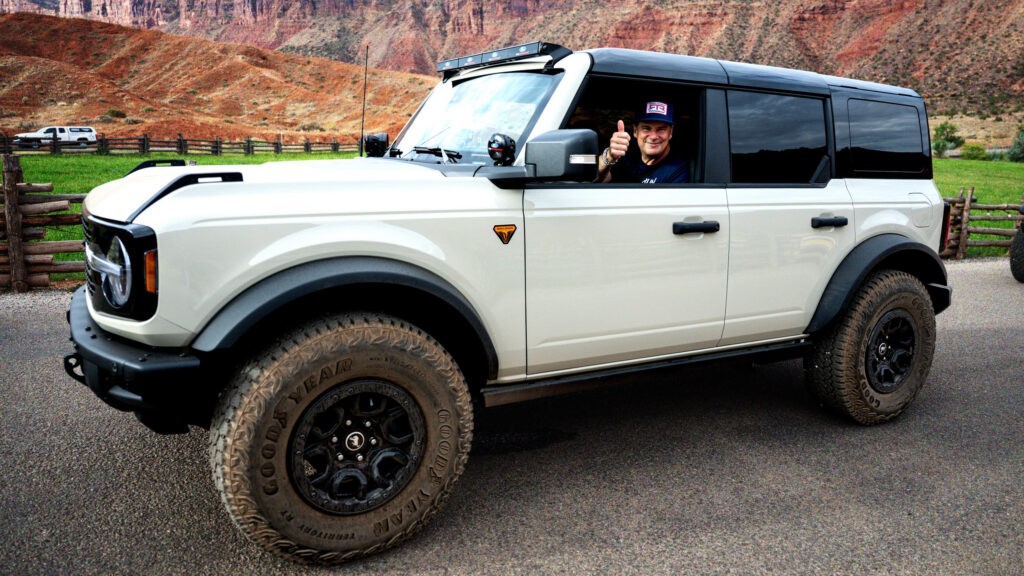
Ford Motor Company is once again committing to hybrid versions of its iconic Bronco and Mustang models, nearly six years after initially announcing such plans in 2018. The resurgence comes amid renewed consumer interest in electrified vehicles and a strategic shift at the company to embrace both hybrid and fully electric options.
Initial Promises and Subsequent Setbacks
In 2018, Ford boldly declared an “all-in” strategy for hybrids, outlining eco-friendly versions of the Bronco, Escape, Explorer, Mustang, and F-150. While some models – notably the F-150 Hybrid and Maverick Hybrid – have achieved success, others were either discontinued (Escape Hybrid) or severely restricted (Explorer Hybrid, now primarily for law enforcement).
The Bronco and Mustang hybrids, in particular, have remained elusive, with the Mustang Hybrid reportedly canceled in 2022, though recent prototype sightings suggest a possible reversal. This pattern of delayed or abandoned projects is not unique to Ford, as other automakers, like Tesla, have also faced challenges in meeting ambitious electrification timelines.
CEO Farley’s New Push
Ford CEO Jim Farley recently emphasized a “huge resurgence” in demand for hybrids and range-extended electric vehicles. He pointed to the popularity of hybrid options within the F-150 lineup (approximately 30% of sales) and the unique position of the Maverick Hybrid in the compact truck market.
Farley now asserts that “Everything you can buy at Ford will have a hybrid,” signaling a renewed commitment to fulfilling the promises made nearly a decade ago. This indicates that Ford will revisit earlier hybrid plans for the Bronco and Mustang.
What This Means
The revival of hybrid plans for the Bronco and Mustang highlights the automotive industry’s evolving approach to electrification. While fully electric vehicles remain a priority, hybrids offer a more accessible transition for consumers hesitant to commit to battery-only technology.
This move positions Ford to compete more effectively with rivals, including Tesla, while also responding to changing market demands. Whether Ford will successfully deliver on these renewed promises remains to be seen, but the current momentum suggests a higher likelihood of success than in previous attempts.