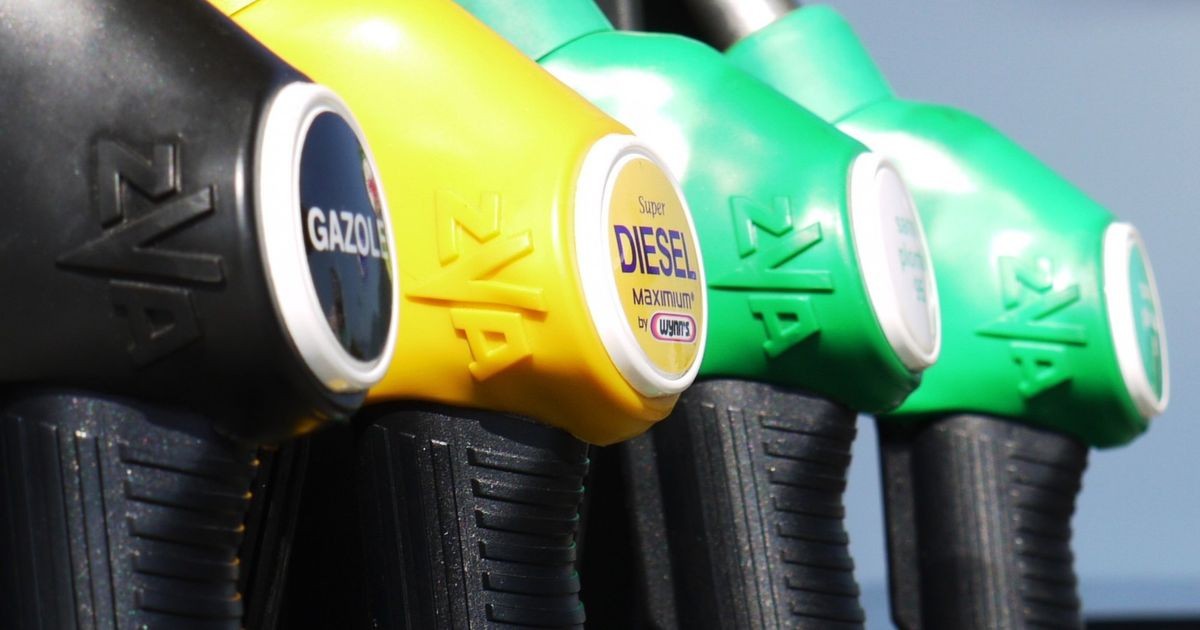
Australia is again discussing biodiesel as a quick fix for rising fuel prices, but the reality is far more complex. The current push for biodiesel at the pump ignores the fact that most modern vehicles cannot reliably run on anything beyond minimal blends — a problem that has become acute as global fuel supply chains destabilize.
The Lost Decade of Opportunity
Two decades ago, biodiesel seemed like a clear path toward fuel independence. Made from waste oil, algae, or even used cooking fat, it could be produced locally and integrated into existing infrastructure. Yet, lack of government support, cheap diesel imports, and unfavorable tax policies effectively killed the Australian biodiesel industry before it could scale. The result? A missed opportunity to insulate the country from international price shocks.
Global Trends: Indonesia Leads, Australia Lags
While Australia stalled, other nations moved forward. Indonesia is aggressively expanding its biodiesel mandate to 50%, and the Philippines is considering a 7% blend (B7). Meanwhile, Australian fuel standards still cap biodiesel at a measly 5%.
In 2025, warnings from the Australian Strategic Policy Institute and industry leaders like Airbus Australia boss Stephen Forshaw went unheeded. The government finally announced a $1.1 billion biofuel package…but not until 2028, decades after experts first urged action.
The Rise of eFuels: A Better Solution?
The debate over biodiesel is now somewhat academic. New-generation synthetic fuels (eFuels) are emerging as a more viable long-term solution. These fuels can be made by capturing carbon from the atmosphere and converting it into usable petrol or diesel — potentially creating a carbon-neutral fuel cycle.
Porsche is already investing in eFuel facilities, including one in Tasmania, and Monash University has developed technology to turn waste tires and plastics into fuel. Unlike biodiesel, eFuels are compatible with modern engines without performance compromises.
Why Electric Vehicles Still Matter
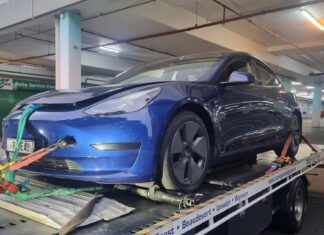
Electric vehicles (EVs) also remain crucial, especially for urban logistics and short-haul transport. EV subsidies and incentives, alongside eFuel development, are vital to ensure Australia’s fuel security.
The Bottom Line
While biodiesel might provide limited relief in the short term, Australia must prioritize investment in eFuels and EV infrastructure to avoid repeating past mistakes. The window for fuel independence is closing, and relying on outdated solutions will only leave the nation vulnerable to future crises.