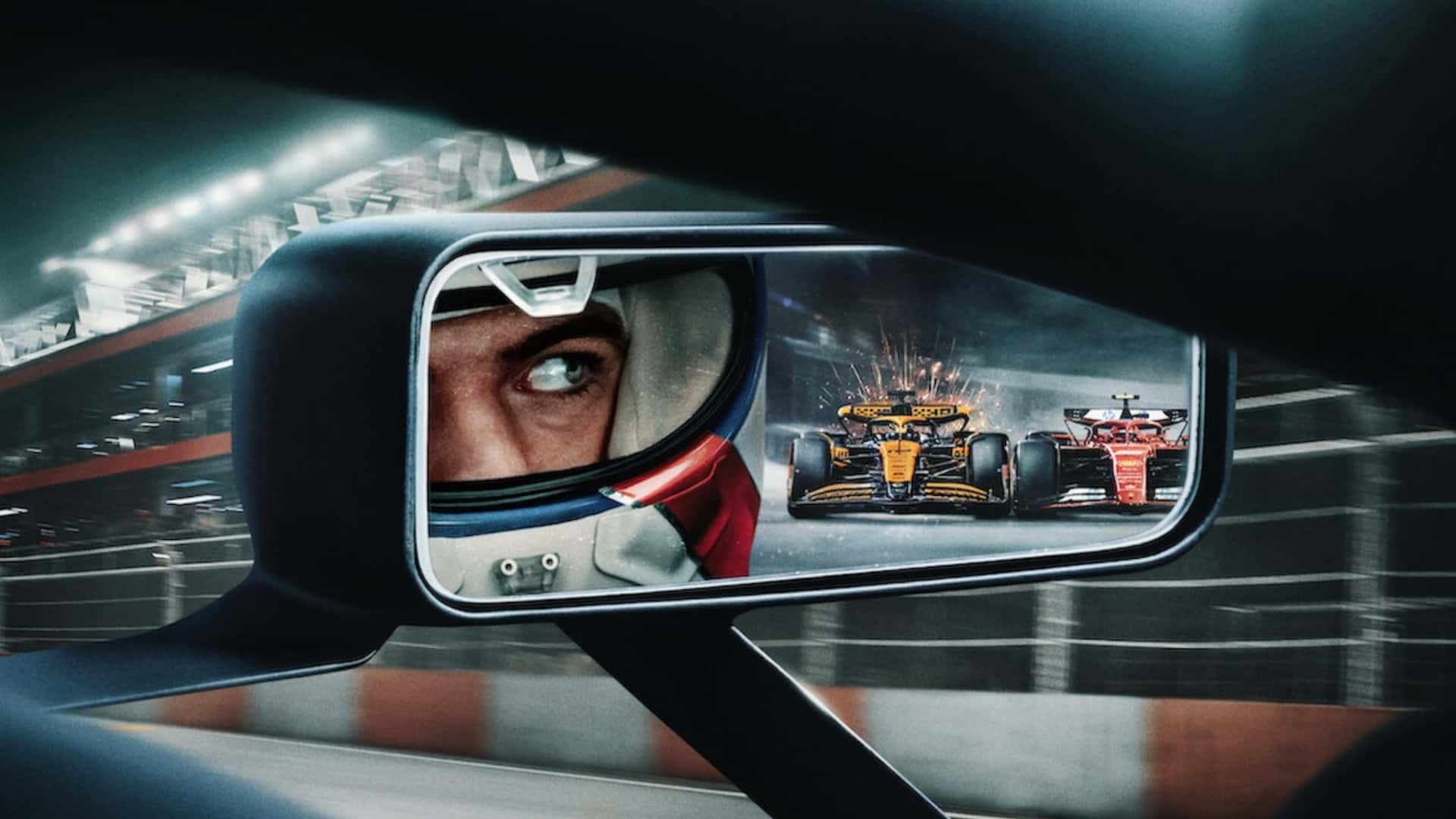
Netflix’s Drive to Survive has undeniably transformed Formula 1 from a niche motorsport into a global phenomenon. The docuseries ignited American interest, boosted viewership worldwide, and turned team principals into household names. However, beneath the polished drama lies a manufactured reality that often deviates significantly from the actual sport. While the show’s impact is undeniable, many long-term fans and even drivers question the authenticity of its narrative.
The Marketing Triumph and Its Cost
According to Motorsport.com’s 2025 analysis, 16% of new F1 fans attribute their entry point to Drive to Survive. This surge in popularity, particularly among younger audiences, is a testament to the show’s success in turning drivers into personalities and rivalries into compelling storylines.
However, this success comes at a price. The series prioritizes entertainment over accuracy, often fabricating tension and drama through selective editing and manipulated audio. The show doesn’t just portray F1—it creates an F1 designed for maximum viewership, even if that means bending the truth.
Fabricated Drama: The Art of Misdirection
One of the most controversial practices is the manipulation of radio communications. Producers routinely stitch together audio clips out of context, creating false narratives of heated confrontations where none existed. A calm exchange between a driver and engineer can be presented as a furious outburst, fueling the illusion of constant conflict.
Max Verstappen, a former boycott of the series, publicly criticized this tactic, stating in 2025: “Apparently, I was very upset after Miami. I literally had the best time ever Sunday night. So, I don’t know what I was upset about.” This highlights the show’s willingness to manufacture drama even at the expense of accurate representation.
Manufactured Rivalries and Distorted Relationships
The series also distorts interpersonal dynamics. Friendships between drivers, like those between Lando Norris and Carlos Sainz, are presented as bitter rivalries, complete with jealousy and animosity. This level of fabrication led Verstappen to temporarily step away from the show, demanding that his portrayal be accurate before returning.
He explained, “I’m a guy who finds it also very important that you’re portrayed well, and that they do not start to copy comments on the different kinds of footage, while it didn’t happen like that.” His conditions reflect a broader concern among drivers about maintaining control over their public image within the show’s narrative.
Sound Design and The Illusion of Intensity
Even the auditory experience is manipulated. The hybrid powertrains of modern F1 cars don’t produce the visceral roar that older engines did, so the producers enhance the soundscape with artificial tire screeches, gearshifts, and crowd noise. This creates a more dramatic atmosphere but sacrifices realism.
The Real F1: Beyond the Hype
The series presents every race as high-octane wheel-to-wheel combat, but the reality is often far less spectacular. Many races are strategic slogs, with drivers managing fuel and tires rather than pushing for maximum speed at all times. This discrepancy between expectation and reality has led to disappointed fans on social media, who now expect every race to deliver the same level of manufactured excitement.
Formula 1 is a complex sport with layers of engineering, strategy, and mental warfare beneath the surface. Drive to Survive often strips away these nuances, presenting a simplified, sensationalized version that appeals to a broader audience but sacrifices depth.
The Bottom Line
Despite its flaws, Drive to Survive is a masterful piece of storytelling that has undeniably elevated F1’s popularity. However, viewers should approach the series with caution, recognizing that the drama is often engineered rather than organic. The show does not reflect reality; it creates one, and the consequences are now visible in the unrealistic expectations of a growing fanbase.