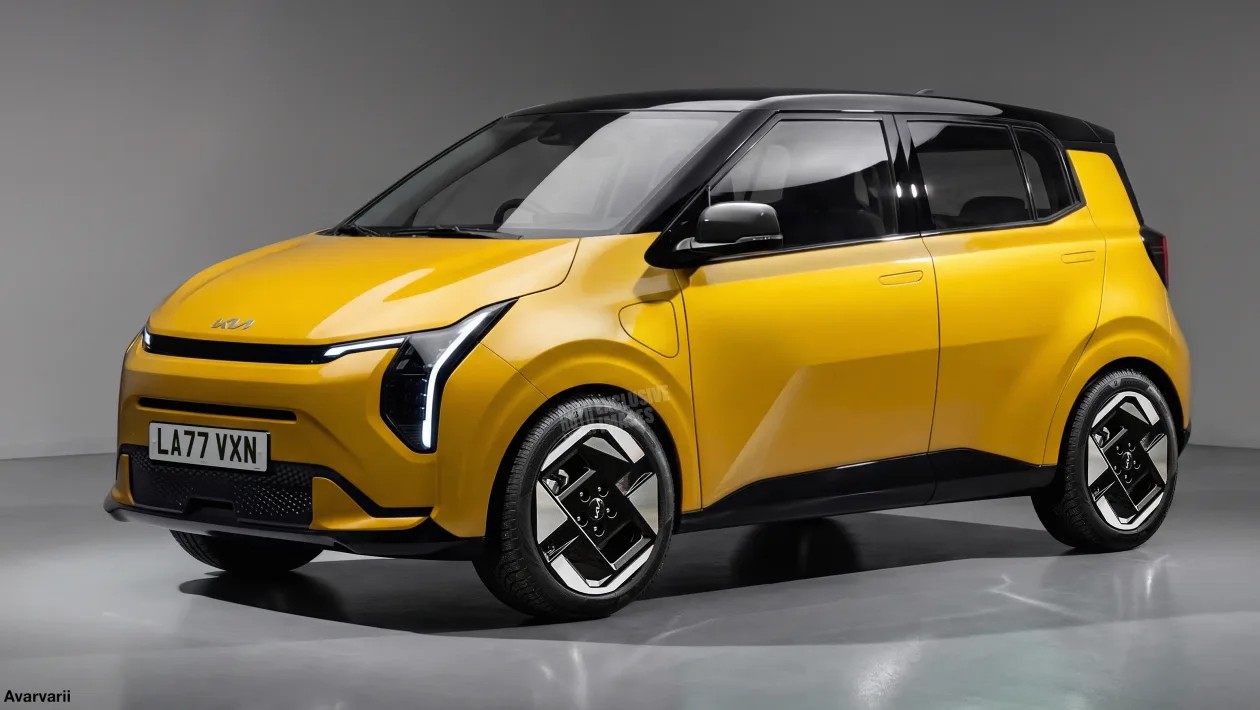
Kia is developing a new, all-electric city car – the EV1 – positioned as a direct competitor to models like the Renault Twingo and Volkswagen ID. Lupo. Expected to launch in 2027 with an estimated price just over £20,000, the EV1 will sit below Kia’s recently revealed EV2, offering an accessible entry point into the brand’s electric lineup. This move signals a broader industry trend: the race to electrify the smallest, most affordable vehicle segment.
Why Small EVs Matter
For decades, the A-segment (city cars) has been dominated by gasoline engines. However, tightening emissions regulations and growing consumer demand for electric options are forcing automakers to adapt. The challenge is simple: make an EV profitable at a price point that remains competitive for budget-conscious buyers. This isn’t just about engineering; it’s about restructuring supply chains, leveraging economies of scale, and rethinking design to minimize costs.
Kia’s Strategy: Global Reach and Design Evolution
Kia’s head of advanced design, Jochen Paesen, emphasizes the importance of the small-car market. The EV1 will be designed with global appeal, but Europe will be a key battleground. To keep costs down, Kia will collaborate with its sister brand, Hyundai, utilizing shared production facilities and technologies.
The EV1 also represents a shift in Kia’s design language. While the brand has established a strong minimalist aesthetic, Paesen notes the need to evolve towards a more aspirational style. The goal is to create a car that stands out, attracting buyers who want a Kia specifically, not just any small EV.
Design and Interior: Urban Focus, Simplified Tech
Early renderings suggest the EV1 will lean into an urban-focused design, avoiding the SUV-inspired cues seen in larger Kia EVs. Expect a more boxy silhouette, aggressive black plastic trim, and vertically oriented LED lighting. The interior will likely feature a simplified layout compared to the triple-screen setup found in other Kia EVs. The focus is on functionality and cost-effectiveness, rather than unnecessary frills.
Performance: Balancing Power and Price
While Kia may develop a sporty “GT” version of the EV1, expect modest power upgrades. The standard model will likely offer a front-wheel-drive configuration with a power output similar to the EV2 (around 147bhp). The priority is range and efficiency, not raw performance.
Competition: Renault and Volkswagen Lead the Charge
The EV1 will face stiff competition from Renault, which is already gaining traction with its new Twingo revival. Volkswagen is also preparing the ID. Lupo, backed by a new platform developed in partnership with Rivian. The success of each model will depend on aggressive pricing, efficient production, and a clear understanding of what consumers want in a small electric car.
The rise of affordable EVs isn’t just about cheaper cars; it’s about reshaping urban mobility. With the EV1, Kia is betting that it can deliver an electric city car that doesn’t compromise on style, functionality, or value.