


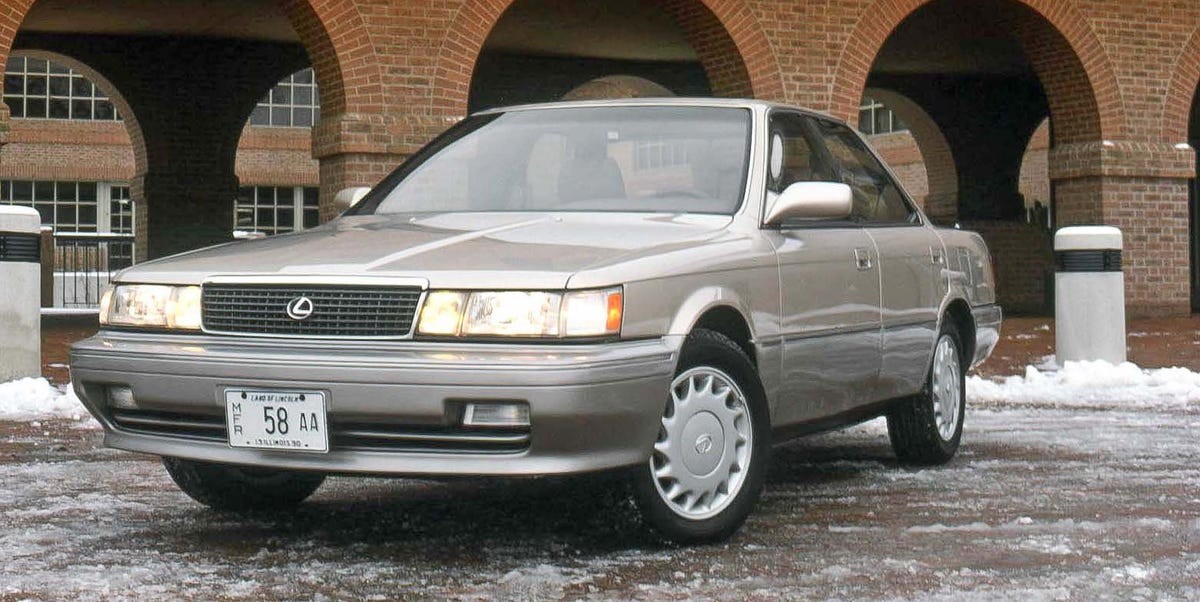
In 1990, Toyota redefined how automakers enter the luxury market. The Lexus ES250 wasn’t a clean-sheet design; it was a deliberate evolution of the existing Camry sedan, subtly but effectively elevated to meet a new brand image. This move, mirrored later by Nissan (Infiniti) and Honda (Acura), set a precedent for how Japanese companies would challenge established European luxury brands.
The Calculated Approach
Toyota didn’t aim for revolutionary innovation with the ES250. Instead, they took a proven platform — the front-drive Camry V-6 — and systematically refined it. This was a cost-effective strategy, allowing them to focus engineering resources on the flagship LS400 while still expanding their luxury reach. The result: a car that shared mechanical foundations with a mainstream model but presented as a distinctly premium offering.
Perception vs. Reality
The Lexus difference wasn’t about radical performance, but rather about a heightened sense of quality and refinement. Critics at Car and Driver noted that the ES250 didn’t match the LS400’s noise isolation, but it excelled in comfort, build quality, and features. The car’s appeal lay in the perception of luxury, not necessarily objective superiority. This is crucial: Toyota understood that consumers often value brand image as much as technical specs.
Design and Interior Excellence
The ES250’s exterior was conservative yet refined. Frameless door glass and a bolder grille distinguished it from the Toyota Camry, creating a subtle yet impactful visual difference. The interior, however, was where the transformation truly shone. High-quality materials (optional leather, wood trim) and meticulous craftsmanship elevated the cabin experience.
Driving Dynamics: Comfort Over Sport
The ES250 prioritized comfort and ease of use over outright sportiness. Steering was light at low speeds and progressively weighted, making it accessible to a broad range of drivers. The suspension smoothed out bumps effectively, though some testers noted a tendency toward body roll in corners. This trade-off was intentional: Toyota aimed for a relaxed, refined driving experience rather than aggressive handling.
Engine and Performance: Smooth and Sufficient
The Camry-derived 2.5-liter V-6 delivered smooth, linear power. The ES250 wasn’t a performance machine (0-60 mph in 10.8 seconds), but its engine was refined and quiet. The automatic transmission (standard on most models) shifted seamlessly, enhancing the sense of luxury.
The Verdict: A Successful Gamble
The Lexus ES250 wasn’t groundbreaking, but it was brilliantly executed. Toyota successfully leveraged an existing platform to establish a new luxury brand. The car’s success proved that consumers would pay a premium for perceived quality, refinement, and brand prestige. By 1990, Lexus had effectively entered the luxury market, setting the stage for decades of competition with established brands.


