Finding a genuinely cheap new car in the US is harder than ever, with average prices exceeding $50,000. But despite automakers prioritizing larger, pricier models, several reasonably priced vehicles still stand out. After reviewing over 100 cars this year, here’s a rundown of the best affordable options currently available.
The Electric Option: Chevrolet Equinox EV ($36,795)
The Chevrolet Equinox EV presents a strong value proposition, especially in its base configuration. While higher trims can quickly approach the $50,000 mark, the entry-level model starts at $36,795 and offers up to 319 miles of range with 220 horsepower. This makes it a compelling choice for buyers seeking an electric SUV without breaking the bank.
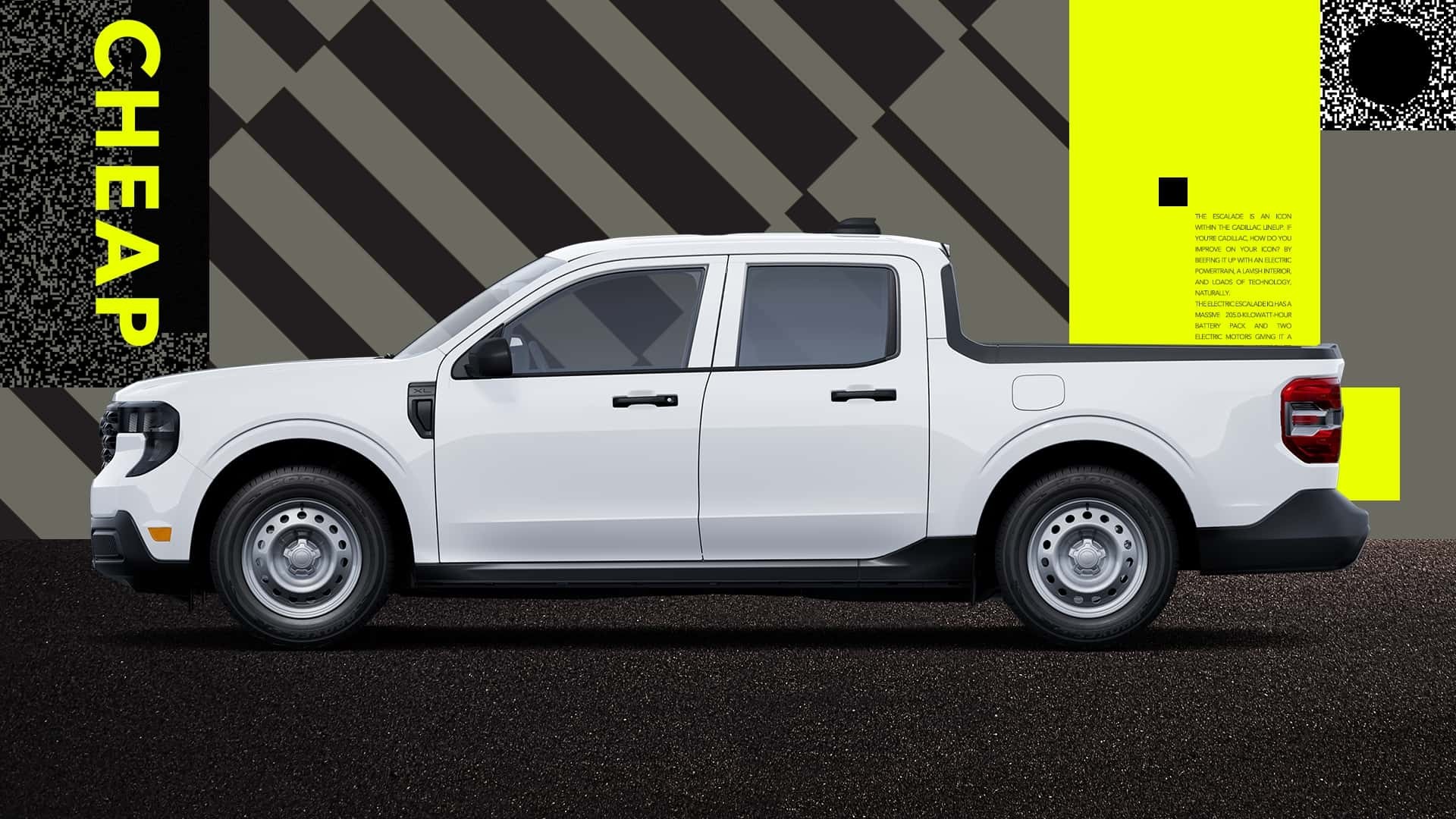
The Rugged Bargain: Ford Maverick/Lobo ($30,535 / $37,625)
Truck prices have surged, but the Ford Maverick remains a standout for affordability. The Lobo variant adds a touch of style with a lowered stance and subtle widebody kit, but the core value lies in its turbocharged 2.0-liter engine delivering 250 horsepower. The Maverick proves that a capable pickup doesn’t have to come with a premium price tag.
The Efficient All-Rounder: Honda Civic Hybrid ($30,490)
For those seeking a reliable daily driver under $30,000, the Honda Civic Hybrid is a top pick. Starting at $30,490, it boasts impressive fuel efficiency (50+ mpg), quick acceleration (0-60 mph in just over six seconds), and a well-equipped interior with modern features like wireless CarPlay. Honda has delivered a genuinely fun and practical car for the money.
The New Contender: Kia K4 ($23,385)
Kia’s K4 enters a competitive segment with a focus on value. Starting at just $23,385, the base model offers essential features, while the $3,000 GT-Line upgrade adds heated seats, paddle shifters, and a suite of safety tech. The standard 147-horsepower engine is adequate, but the GT Turbo variant with 190 hp provides a more engaging driving experience for under $30,000.
The Fun-Sized Classic: Mini Cooper ($29,500)
Despite growing in size, the Mini Cooper maintains its reputation for affordability and charm. The base model starts at $29,500, powered by a turbocharged three-cylinder engine delivering 161 horsepower (or 201 in the Cooper S). While material quality isn’t luxurious, Mini’s clever design makes the interior feel more upscale than its price suggests.
The Underestimated SUV: Nissan Kicks ($23,925)
Nissan’s Kicks stands out as one of the brand’s best offerings, particularly at its starting price of just over $23,000. This stylish subcompact SUV offers comfortable driving, with 141 horsepower, and up to 31 miles per gallon. The addition of all-wheel drive this year further enhances its practicality.
The Electric Value Play: Nissan Leaf ($31,485)
The Nissan Leaf demonstrates that the least expensive electric trims often deliver the best range. The entry-level model starts at $31,485, offering up to 303 miles of range with a 214-horsepower electric motor. Upgrading to higher trims doesn’t necessarily mean sacrificing range, making the Leaf a smart choice for budget-conscious EV buyers.
The Refreshed Sedan: Nissan Sentra ($23,845)
The Nissan Sentra remains a budget-friendly option, now with an updated design and interior for 2026. The SL trim, at $30,375, includes heated seats, a heated steering wheel, and dual 12.3-inch displays. Despite the unchanged 149-horsepower engine, the Sentra provides good value for its price point.
The Best-Selling SUV: Toyota RAV4 ($33,320)
The Toyota RAV4 maintains its position as America’s best-selling SUV due to its reliability and affordability. The 2026 model now comes standard with a hybrid powertrain, delivering 226 horsepower and 41 mpg. The plug-in hybrid variant offers even more power (320 hp) and electric range (52 miles), making it a versatile and efficient choice.
Conclusion:
Despite rising car prices, several manufacturers continue to offer affordable options that balance value with practicality. Whether you’re seeking an electric vehicle, a compact SUV, or a reliable sedan, these models prove that a good deal is still achievable in today’s market. The key is to focus on base trims and prioritize essential features over luxury add-ons.