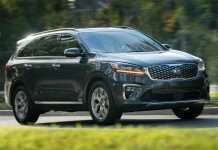


Australia’s electric vehicle (EV) market is exploding, with mid-size SUVs leading the charge. As of October 2024, over half of all EVs sold in the country were SUVs, and most of those were mid-size. This trend is driven by the broader shift in automotive preference; SUVs have dominated new vehicle sales since 2017, making it inevitable that electric SUVs would become the most popular EV segment.
The Tesla Model Y currently reigns supreme, having outsold all other EVs in 2023 with nearly 18,000 units sold this year alone. Automakers are now racing to introduce competitors capable of challenging Tesla’s dominance. The result? A staggering 32 mid-size electric SUVs are currently available in Australia, with many more slated for release soon.
The Competition Heats Up: A Model for Every Buyer
The market is rapidly diversifying, offering options across mainstream and luxury brands. Here’s a breakdown of key contenders:
Affordable Options: Brands like BYD (Atto 3, Sealion 7) and GAC (Aion V) are undercutting the competition with models starting under $40,000. Geely (EX5) and Leapmotor (C10) also offer competitive pricing, making EVs accessible to a wider range of consumers. These choices are significant because they demonstrate that EVs are no longer exclusive to high-income buyers.
Mid-Range Contenders: Cupra (Tavascan), Deepal (S07, E07), and Ford (Mustang Mach-E) are positioning themselves as alternatives to the Model Y, offering a blend of performance, range, and features at competitive price points.
Premium Choices: Audi (Q4 e-tron, Q6 e-tron), Genesis (GV60, GV70 Electrified), Lexus (RZ450e), Mercedes-Benz (EQB), and Porsche (Macan) cater to buyers seeking luxury and prestige. These brands emphasize refinement, advanced technology, and higher price tags.
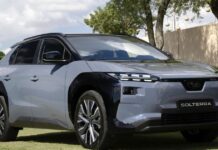
New Entrants: Chinese automakers are making a splash with models like MG (IM6), Skoda (Elroq, Enyaq), Toyota (bZ4X), Volkswagen (ID.4, ID.5), Xpeng (G6), and Zeekr (7X). Their aggressive pricing and feature-rich offerings are forcing established players to adapt.
What This Means for Consumers
The proliferation of mid-size electric SUVs is creating a buyer’s market. With so many options, consumers now have greater choice in terms of price, range, features, and brand preference.
- Increased Competition: More models mean automakers will need to innovate and lower prices to attract buyers.
- Faster Adoption: Greater availability will accelerate the transition to electric vehicles.
- Broader Appeal: The variety of options ensures that there’s an EV to suit most lifestyles and budgets.
The coming months will bring even more models to the Australian market, including the BMW iX3, MG S6 EV, Cadillac Optiq, and Volvo EX60, further intensifying the competition.
The electric SUV segment is no longer a niche market; it’s becoming the mainstream. As technology improves and prices continue to fall, electric SUVs are poised to dominate the automotive landscape in Australia and beyond.