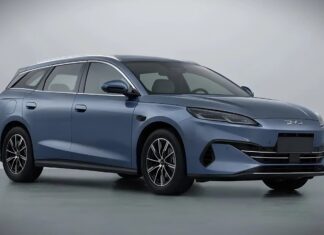
Mazda Australia will not expand plug-in hybrid (PHEV) options for its CX-70 and CX-90 SUVs, despite the technology being available in other markets. According to Mazda Australia’s managing director, Vinesh Bhindi, the company believes it has “sufficient coverage” of PHEVs with its existing CX-60 and CX-80 models.
The decision comes as Australia prepares for stricter New Vehicle Efficiency Standards (NVES) in 2025, which penalize automakers for exceeding emissions targets. Bhindi stated that Mazda’s focus has shifted towards battery electric vehicles (EVs) due to changes in government incentives, specifically the removal of tax benefits for PHEVs in March of last year.
The company is pursuing three key strategies to mitigate the financial impact of NVES :
1. Prioritizing the launch of its upcoming all-electric Mazda 6e and CX-6e models, which are expected to generate the most emissions credits.
2. Exploring the potential to purchase discounted emissions credits from other manufacturers, if available.
3. Passing on any unavoidable costs to consumers as a last resort.
Bhindi emphasized that Mazda wants to avoid reducing customer options and aims to balance its portfolio through these strategies. The company is also targeting the mainstream mid-size vehicle segment ($40,000-$60,000 price range) with its new EVs, where it believes the largest sales volume lies.
This is not the first time Mazda Australia has signaled its willingness to absorb potential NVES fines rather than drastically altering its product lineup. Bhindi previously stated the company would continue offering vehicles based on consumer demand, even if it incurs penalties.
Mazda is collaborating with Chinese partner Changan for the initial EV rollout, while also developing its own in-house EVs, with the first expected in 2027 based on the next-generation CX-5. The company accrued 508,517 penalty units in the first year of NVES based on its 2025 sales projections, meaning it must trade those units with other manufacturers by December 2027 or face financial penalties in 2028.