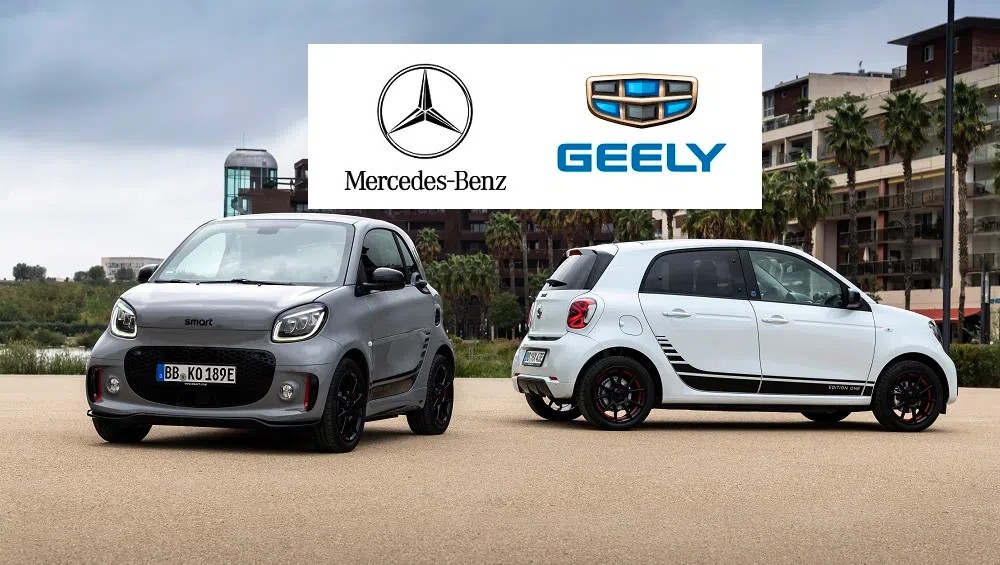
Mercedes-Benz is shifting development of a new electric vehicle (EV) platform to its Chinese research and development (R&D) center, marking the first time in its 130-year history the company has ceded such independent authority to a facility outside Germany. The move involves integrating Geely’s electrical architecture into the new platform, codenamed “Phoenix”, with production slated for around 2030.
Strategic Shift: China as Global EV Development Hub
The decision reflects a broader industry trend of established automakers seeking expertise in China’s rapidly advancing EV sector. Mercedes-Benz’s Chinese R&D center will now lead global development for compact vehicles, while German facilities focus on mid-size and large models. This represents a fundamental restructuring of the company’s engineering priorities.
Leveraging Geely’s GEEA Architecture
The “Phoenix” platform will utilize Geely’s GEEA electrical architecture, specifically the 4.0 version, which has already demonstrated its capability with over one million units sold through Geely’s Galaxy E5 model. This move is intended to replace Mercedes’ existing MMA platform and underpin future compact models like the A-Class, B-Class, GLA, GLB, and CLA for global markets.
Cost Reduction as a Key Driver
The collaboration stems from Mercedes-Benz’s strategic push to reduce costs and improve profitability. Insiders at Mercedes-Benz have reportedly been studying Chinese manufacturing practices to achieve greater efficiency. The company’s analysis of Geely’s Zeekr 001 revealed comparable technical quality at significantly lower production costs. This cost advantage is a primary factor driving the partnership.
Industry Trend: Reversal of Technological Flow
This development follows similar moves by Volkswagen (partnering with Xpeng), Stellantis (with Leapmotor), and Renault (also with Geely). Ford is also exploring collaboration with Geely in autonomous driving and connectivity software. This signifies a reversal of the traditional dynamic, where China once imported automotive technology. Now, Chinese companies are exporting core EV technologies to global giants.
The Rise of Chinese Automotive Engineering
The electronic and electrical (EE) architecture is critical for modern intelligent vehicles, enabling advanced driver-assistance systems and smart cockpits. Mercedes-Benz’s decision acknowledges that China has become a leading force in this space. The move suggests a willingness to adapt to the evolving landscape, where technological leadership is no longer solely concentrated in traditional automotive hubs.
This strategic shift highlights the growing influence of Chinese automotive engineering and the necessity for global automakers to engage with Chinese expertise to remain competitive in the EV market.