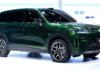
Mercedes-Benz is set to disrupt the compact car segment with a radical new model set to launch in 2028. The vehicle will effectively replace both the A-Class hatchback and the B-Class minivan, merging the practicality of the former with the styling of the latter.
A-Class’s Unexpected Extension
The current A-Class, already an outlier with its extended lifecycle, will continue production until 2028 despite originally being scheduled for retirement earlier. Production will shift from Germany to Hungary in 2026, driven by continued demand in European markets. This extension buys Mercedes time to develop its successor: a vehicle that defies conventional categories.
The Minivan-SUV Mashup: Why It Matters
Mercedes’ CTO, Jörg Burzer, has described the upcoming model as “unlike anything we’ve seen before.” The company is intentionally blurring lines between body styles, a move that reflects changing consumer preferences. The traditional hatchback is fading as buyers increasingly favor SUVs and minivans for their versatility. By combining these elements, Mercedes aims to capture a broader audience.
The decision to target European buyers specifically indicates a recognition that this type of vehicle is more appealing in regions where compact cars remain popular, but where utility is also highly valued.
Platform and Powertrain Options
The new vehicle will be built on Mercedes’ MMA platform – the same architecture used for the next-generation CLA models. This suggests a mix of combustion and electric powertrains to cater to both traditional and EV-focused buyers. The company is already experimenting with unconventional designs, as evidenced by the shelved Vision Mercedes-Maybach Ultimate Luxury, which attempted a sedan-SUV hybrid.
Pricing and Market Position
Expect the new model to be priced above the current A-Class, likely starting around €44,000 in Germany, given the CLA’s starting price. Mercedes is targeting affluent younger buyers, suggesting a premium positioning despite being one of the brand’s most accessible vehicles.
Ultimately, this move demonstrates Mercedes’ willingness to experiment and respond to shifting market demands. The blending of minivan and SUV traits represents a calculated risk, but one that could pay off if executed effectively. The key will be delivering a vehicle that feels authentically Mercedes-Benz, rather than simply a rebadged or diluted offering.