Mercedes-Benz is pushing automotive innovation forward with steer-by-wire technology, set to debut in an updated EQS model. This system removes the mechanical link between the steering wheel and wheels, replacing it with an entirely electronic connection. While seemingly futuristic, this technology is already appearing in production vehicles from other manufacturers, including Lexus, Tesla, and Nio.
How Steer-by-Wire Works
Steer-by-wire uses electric motors both in the steering column and within the vehicle’s chassis to translate driver input into wheel movement. Mercedes engineers emphasize built-in redundancy systems to guarantee steering functionality under any condition. The move marks a significant shift from the earliest steering designs – Mercedes began with tiller handles on the original Benz Patent Motorwagen over a century ago.
Testing the Yoke: A New Driving Experience
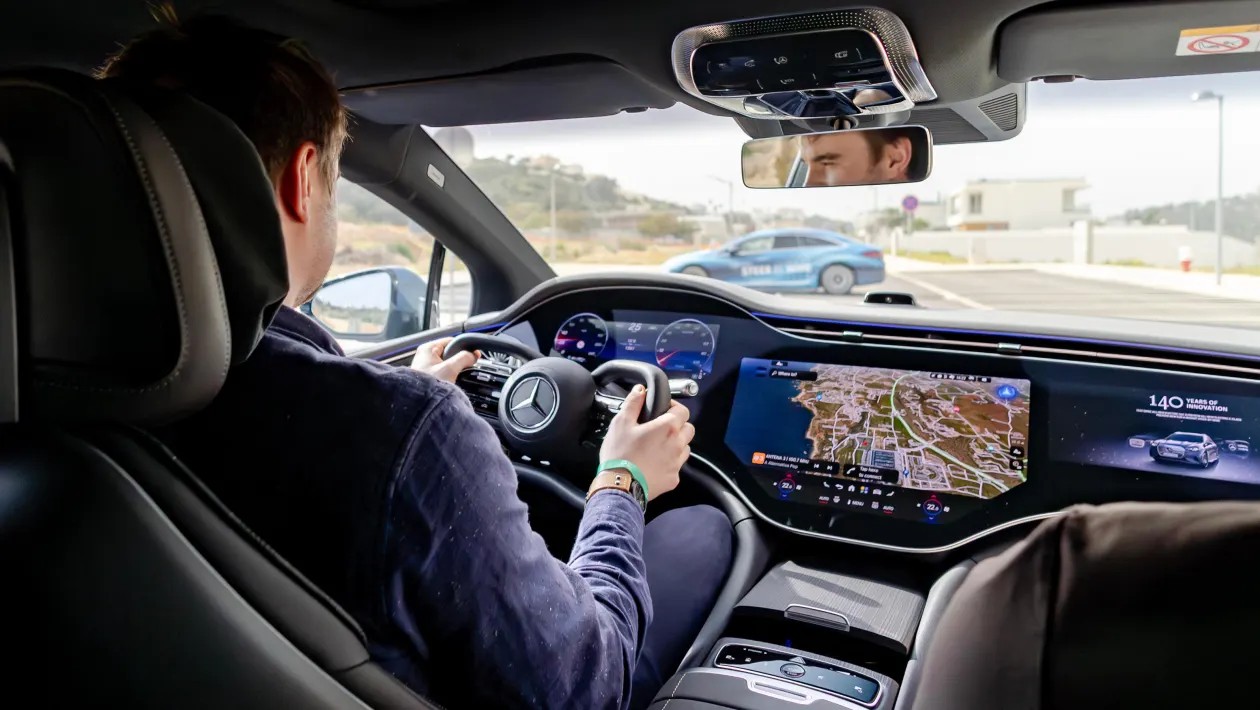
Mercedes has initially paired steer-by-wire with a yoke-style steering wheel in the EQS. The company claims this improves visibility of the digital instrument panel and offers more cabin space. Though the change isn’t transformative in a large vehicle like the EQS, it could be more impactful in smaller cars. Engineers even suggest the yoke could be positioned anywhere in the cabin, opening up radical seating layouts.
The system avoids the awkward steering ratios seen in some competitors, such as Tesla, and delivers remarkably responsive handling. Combined with 10-degree rear-wheel steering, the EQS achieves an incredibly tight turning circle – under 11 meters in initial tests. After short testing, drivers found the steer-by-wire system became more natural. The standard round wheel felt ungainly in comparison.
Future Plans: Beyond Electric Vehicles
Mercedes plans to roll out steer-by-wire in the refreshed EQS after its release. The technology is best suited for electric vehicles due to their existing electronic architecture, but engineers confirm testing on internal-combustion engines is possible. The system could free up engine bay space for future design changes.
There’s even discussion of implementing steer-by-wire in Mercedes-AMG performance models. Engineers report that the yoke simplifies drifting, requiring fewer steering adjustments with minimal self-centering. This suggests the technology could become a feature in high-performance vehicles in the near future.
Mercedes is not just innovating steering; they’re reimagining the driver’s interface entirely. This could redefine how we interact with vehicles in the coming years.
The development of steer-by-wire technology marks a clear step toward a more digital and flexible automotive future.