MG, owned by SAIC Motor, is preparing to launch a new hybrid sedan, potentially named the MG07, that will significantly expand their vehicle lineup. This model is built on a completely new platform, differentiating it from the existing MG7 despite some shared design cues. Early spy shots reveal a vehicle focused on both performance and advanced driver assistance.
Design and Exterior Features
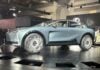
The prototype features an aggressive front grille and a sleek fastback profile with a long wheelbase, suggesting ample interior space. A key differentiator is the prominent roof-mounted LiDAR sensor, signaling the integration of sophisticated driver-assist systems. The vehicle also incorporates semi-concealed door handles and a full-width taillight design, though current lighting units are still provisional.
Interior and Technology
Inside, the MG07 sports a driver-centric cockpit with a sporty steering wheel similar to the MG4. The dashboard is dominated by a large floating touchscreen running Oppo’s smart vehicle connectivity system. The centre console includes shift-by-wire controls, wireless charging, and functional storage solutions alongside necessary physical buttons. Rear passengers will benefit from generous legroom and a flat floor design.
Hybrid Powertrain Confirmed
Perhaps most notably, the presence of both a fuel filler cap and a charging port confirms that this vehicle will be offered as a hybrid. The exact specifications of the powertrain remain undisclosed, but the combination indicates MG’s commitment to electrification alongside traditional combustion engines. Red brake callipers and sporty wheel design further suggest a performance-oriented model.
Practicality and Future Outlook
MG will likely retain its signature fastback rear hatch opening system, blending sedan aesthetics with cargo accessibility. As development progresses, more details will become available regarding this addition to MG’s expanding global range. This new model highlights MG’s growing focus on technology and hybrid powertrains, positioning them to compete more effectively in the modern automotive market.