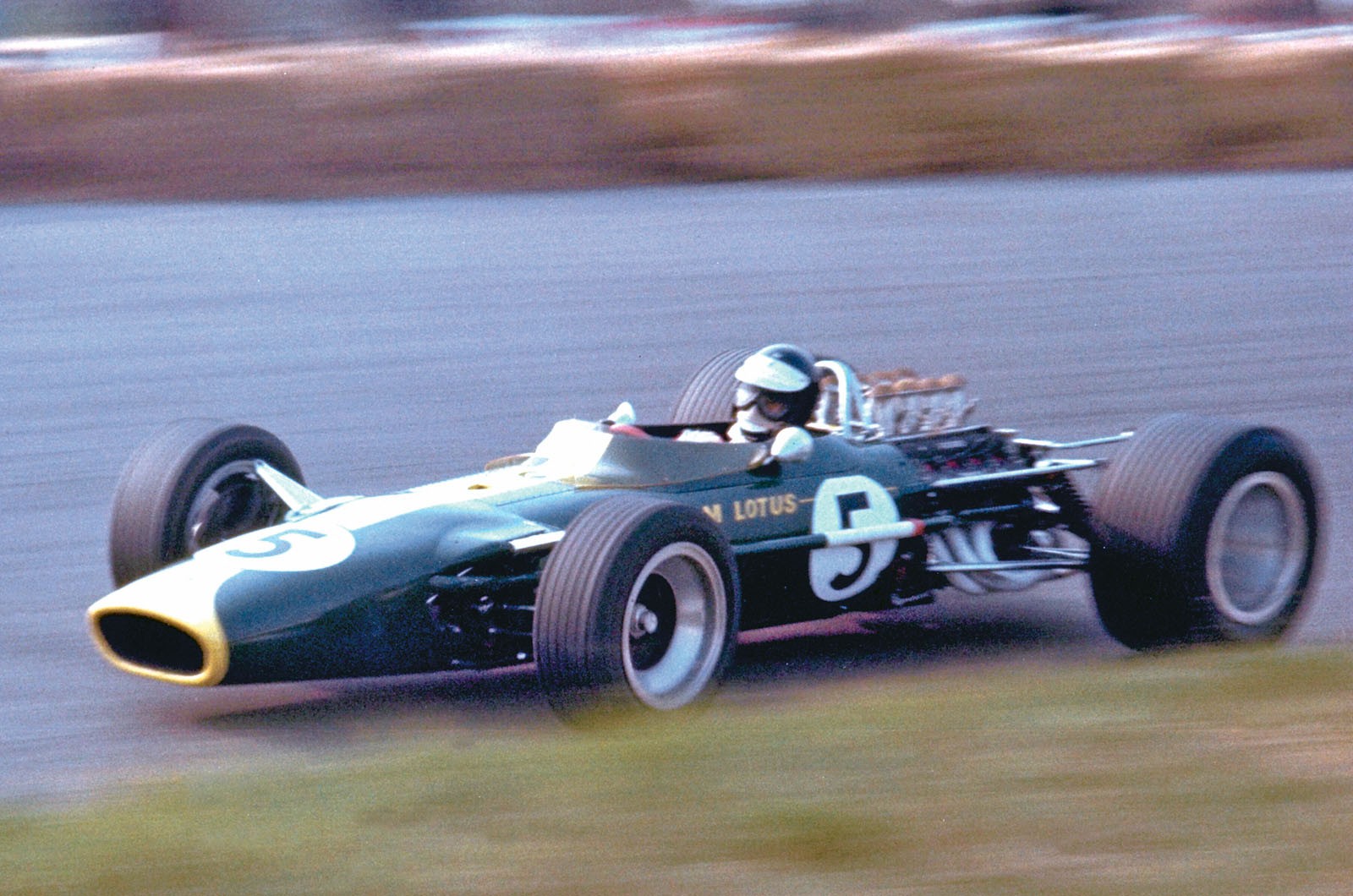
The Ford-Cosworth DFV engine stands as the most successful powerplant in Formula 1 history, securing 155 race wins, 12 Drivers’ Championships, and 10 Constructors’ Championships. What makes this legacy even more remarkable? The initial investment that launched it was shockingly low, making it arguably the greatest bargain in motorsport history.
The Engine’s Origins: Filling a Void
In 1966, as Formula 1 transitioned to 3.0-liter engine regulations, Lotus founder Colin Chapman needed a new engine supplier after Coventry Climax opted out. Enter Cosworth, founded by ex-Lotus engineer Keith Duckworth, who believed they could build a competitive unit with just £100,000 (roughly $125,000 today).
A PR Masterstroke: Ford Takes the Bait
Ford of Britain’s PR head, Walter Hayes, saw the potential. He convinced the company board to provide the funding, recognizing the marketing and prestige benefits. This gamble paid off instantly. The DFV debuted in 1967, driven by Jim Clark, and secured a victory in the Dutch Grand Prix.
Years of Dominance: Unrivaled Success
The DFV rapidly became the engine of choice for privateer teams. The years 1969 and 1973 saw DFV-powered cars win every single race. Its reliability and performance were unmatched for over a decade.
The Turbo Era and Beyond
The rise of turbocharged engines in the 1980s eventually eclipsed the DFV, with its last win coming at the 1983 Detroit Grand Prix. Later Ford-Cosworth engines had some success – most notably powering Michael Schumacher to the 1994 championship with Benetton – but never reached the same heights. Ford’s last F1 win came in 2003 with Jordan’s Giancarlo Fisichella.
Ford’s Team Ownership: A Different Story
While the DFV was a phenomenal investment, Ford’s attempt to run its own F1 team, Jaguar Racing (formerly Stewart Grand Prix), was a failure. Despite significant financial backing, the team achieved only two podiums in five seasons before being sold to Red Bull in 2004.
Today, Ford has partnered with Red Bull Racing, returning to the grid with the very team it once sold off. The DFV remains an icon, proving that even the most dominant legacies can coexist with business missteps.
The DFV’s story is a reminder that brilliance in engineering doesn’t always translate to success in management, but its impact on Formula 1 is undeniable.