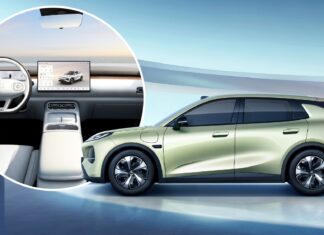
Hyundai is signaling a potential shift in its design language. Through recent teaser images, the South Korean automaker has introduced two new concept vehicles—codenamed Venus and Earth —suggesting that the distinctive “pixel” aesthetic that defined its recent electric vehicle (EV) lineup may be evolving into something sleeker and more minimalist.
Moving Beyond the Pixel Motif
For several years, Hyundai’s Ioniq brand has been defined by a “retrofuturistic” look. Models like the Ioniq 5 and Ioniq 6 utilized sharp body creases and signature pixel-inspired LED lighting to create a unique visual identity. While this design language helped the Ioniq line stand out in a crowded market, Hyundai appears to be moving toward a more streamlined approach.
The teaser images suggest a departure from the blocky, digital look of the past:
– Minimalist Lighting: Instead of pixelated clusters, the new concepts feature thin, continuous LED lines and simple geometric shapes.
– Fluid Lines: The imagery shows crisp, elegant bodywork that emphasizes aerodynamics and sophisticated silhouettes rather than rugged, retro shapes.
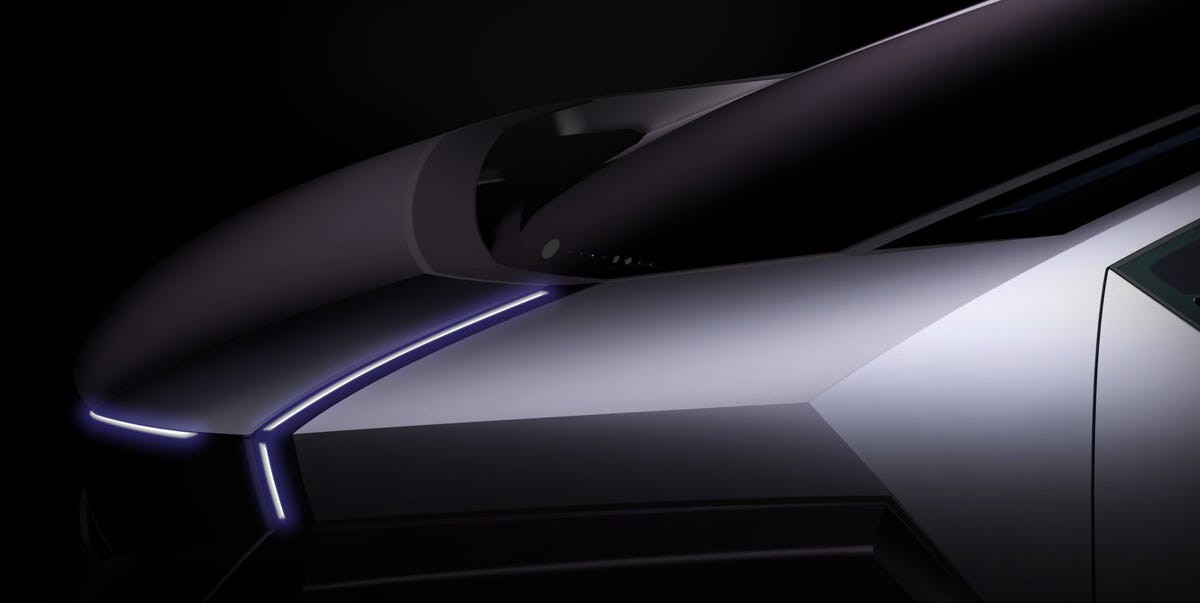
– New Visual Language: One teaser shows a gold vehicle with a sloping fastback roofline and integrated lip spoiler, while another reveals a silver vehicle with a “cab-forward” design and narrow, arrow-shaped headlights.
The Concepts: Venus and Earth
While Hyundai has provided limited technical details, the names of the concepts offer a glimpse into the brand’s creative direction.
The “Venus” Concept
One of the teasers depicts a gold-colored vehicle with a sleek, fastback profile. The design features a blacked-out rear fascia and extremely slim taillights that blend seamlessly into the bodywork. This suggests a focus on high-end aesthetics and perhaps a grand tourer or sportier EV segment.
The “Earth” Concept
The second teaser shows a silver vehicle with a highly raked windshield and an extremely short hood, a layout characteristic of dedicated electric platforms. The presence of black cladding around the wheel arches suggests this concept may be an SUV or crossover.
Note: The choice of the name “Earth” may spark interest in the industry, as American EV startup Lucid has also announced plans for a vehicle under the same nameplate.
Why This Matters for the EV Market
Design language is more than just aesthetics; it is a way for manufacturers to signal a vehicle’s purpose and technological era. By moving away from the “pixel” theme, Hyundai is likely attempting to transition from a “novelty” design phase into a more mature, premium design phase.
As the EV market matures, automakers are moving away from experimental, quirky designs toward more sophisticated, aerodynamic, and universally appealing forms that emphasize efficiency and luxury. Hyundai’s “cosmic statement” suggests they are aiming for a global, high-concept identity that transcends current trends.
What’s Next?
Hyundai has not yet confirmed the official unveiling date or the specific locations for these reveals. However, industry observers are looking toward major upcoming events, such as the Beijing Auto Show or Milan Design Week in April, as likely stages for the full debut of the Venus and Earth concepts.
Hyundai’s teaser describes these concepts as “marking another beginning of Ioniq’s grand narrative,” signaling that this is not just a minor update, but a fundamental pivot in the brand’s identity.
Conclusion
Hyundai is preparing to trade its signature pixelated look for a more refined, minimalist design language. If the Venus and Earth concepts are any indication, the next generation of Ioniq EVs will prioritize sleek aerodynamics and sophisticated lighting over the retro-digital aesthetic of the current lineup.