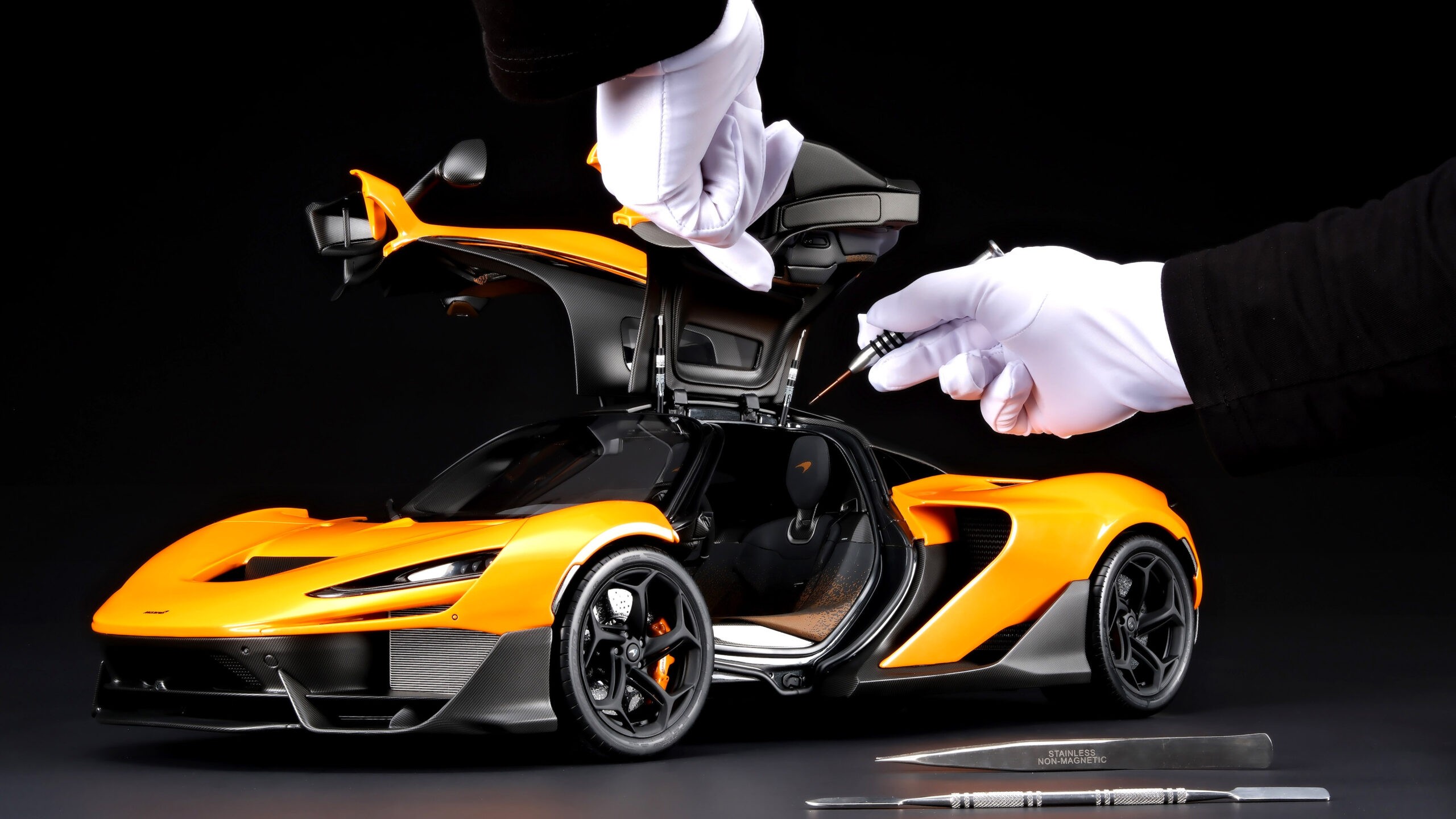
McLaren is undergoing a fundamental transformation. After years of a stagnant product lineup, the legendary British supercar manufacturer is leveraging a massive influx of Middle Eastern capital and advanced Chinese technology to overhaul its entire portfolio. With a roadmap stretching toward 2030, the brand is preparing to move beyond its traditional niche to capture a much broader segment of the luxury market.
The Power Behind the Pivot: CYVN and Forseven
The catalyst for this change is CYVN Holdings, an investment group based in Abu Dhabi that now holds ownership of McLaren. In a strategic move early last year, CYVN merged McLaren with Forseven, a British automotive startup that had been operating in “stealth mode.”
This merger is more than just a change in ownership; it is a structural reorganization. Under the leadership of Nick Collins, the CEO of the newly merged group, McLaren is transitioning from a boutique supercar maker into a more diversified automotive player. While the company had originally planned to reveal its new direction late last year, these announcements have been strategically delayed until this summer to ensure a more impactful rollout.
A Hybrid Strategy: Combustion Engines and Chinese Innovation
Despite the global industry-wide shift toward electrification, McLaren is taking a pragmatic approach to its powertrain strategy. The company’s leadership believes that its core customer base is not yet ready to abandon the visceral experience of the internal combustion engine (ICE).
Consequently, the new models slated for release over the next four years will feature combustion powertrains. However, “traditional” does not mean “outdated.” McLaren is bridging the gap between old-school performance and new-age tech through a significant technological partnership:
- Nio Integration: Because CYVN holds a 21.7% stake in the Chinese EV giant Nio, McLaren is expected to integrate Nio’s advanced technological platforms into its upcoming vehicles.
- The Goal: To combine the high-performance soul of a British supercar with the cutting-edge digital and electrical architecture characteristic of modern Chinese automotive innovation.
Expanding the Lineup: Beyond the Two-Seater
For decades, McLaren has been synonymous with the low-slung, two-seat supercar. However, to ensure long-term growth, the brand must address the changing demands of the ultra-luxury market.
The most significant hint regarding this expansion is the confirmation that at least one upcoming model will feature “more than two seats.” While the specific body style remains unconfirmed, industry trends suggest a high probability of an SUV or a high-performance grand tourer.
This move follows the massive commercial success of “super-SUVs” like the Lamborghini Urus and the Ferrari Purosangue, which have proven that luxury buyers are hungry for high-performance vehicles that offer more utility and passenger space.
What to Expect Next
The rollout of this new era will begin this summer. According to Collins, the company will start by delivering the highly anticipated W1 and unveiling new product designs to global dealerships. The first glimpse of the future will likely arrive in the form of a concept car, designed to signal the aesthetic and technological direction of the next generation of McLaren vehicles.
The strategy is clear: McLaren is using Middle Eastern investment to fund a British engineering rebirth, powered by Chinese technological expertise, all while staying true to the engine-driven passion of its traditional fans.
In summary, McLaren is moving away from a narrow focus on niche supercars toward a diversified, high-tech lineup that blends traditional combustion performance with modern digital integration.