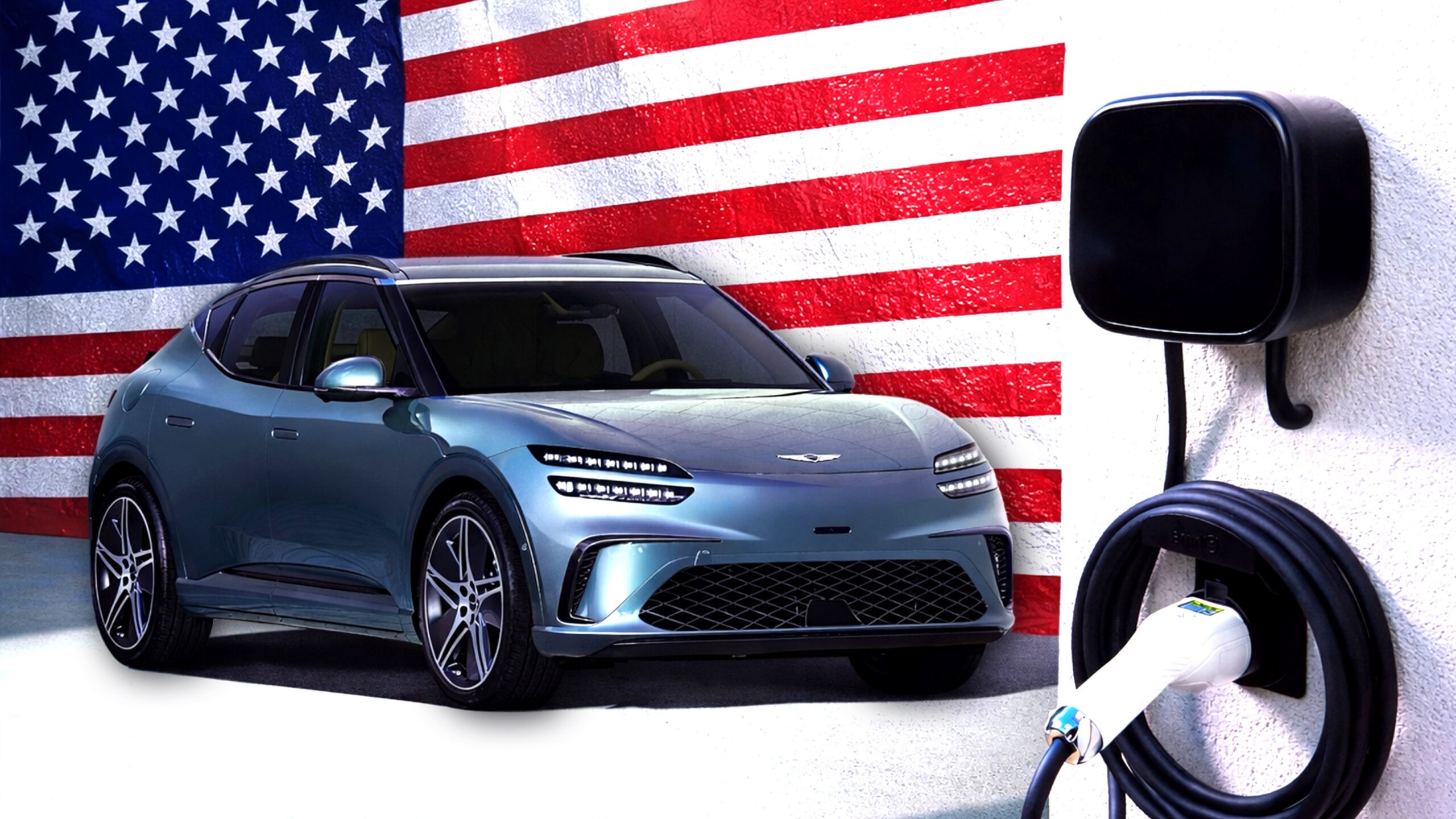
The Trump administration is proposing a significant overhaul of the federal electric vehicle (EV) charger program, pushing for a complete shift to domestically manufactured components. Transportation Secretary Sean Duffy is seeking to expand the “Buy America” public interest waiver, raising the required domestic content in EV chargers from 55% to 100%.
Supply Chain and Cost Implications
This change would present major challenges to the current EV charger supply chain. Achieving 100% domestic content would likely require extensive restructuring, which could drive up production costs and limit the availability of charger options. The administration argues, however, that manufacturers have the capacity to adapt.
National Security Concerns
The move is framed as a measure to strengthen domestic manufacturing, create jobs, and protect national security. Federal officials cite concerns about cybersecurity vulnerabilities in foreign-made EV charger components. The Federal Highway Administration (FHA) has highlighted broader security risks within US infrastructure, including the potential for surveillance or sabotage via embedded cellular radios in devices like traffic signs.
The administration believes this shift will prevent taxpayer money from subsidizing foreign adversaries while ensuring US-made chargers are secure.
Implementation and Next Steps
The proposed rule applies only to federally funded projects and remains subject to a public comment period before finalization. Secretary Duffy stated the measure is intended to “put America First” by unleashing domestic manufacturing and safeguarding national interests.
The long-term effects of this policy remain uncertain, but it could reshape the US EV charging landscape by prioritizing domestic production over cost-effectiveness or supply chain efficiency. This raises questions about how quickly manufacturers can adjust and whether the increased costs will hinder EV adoption.