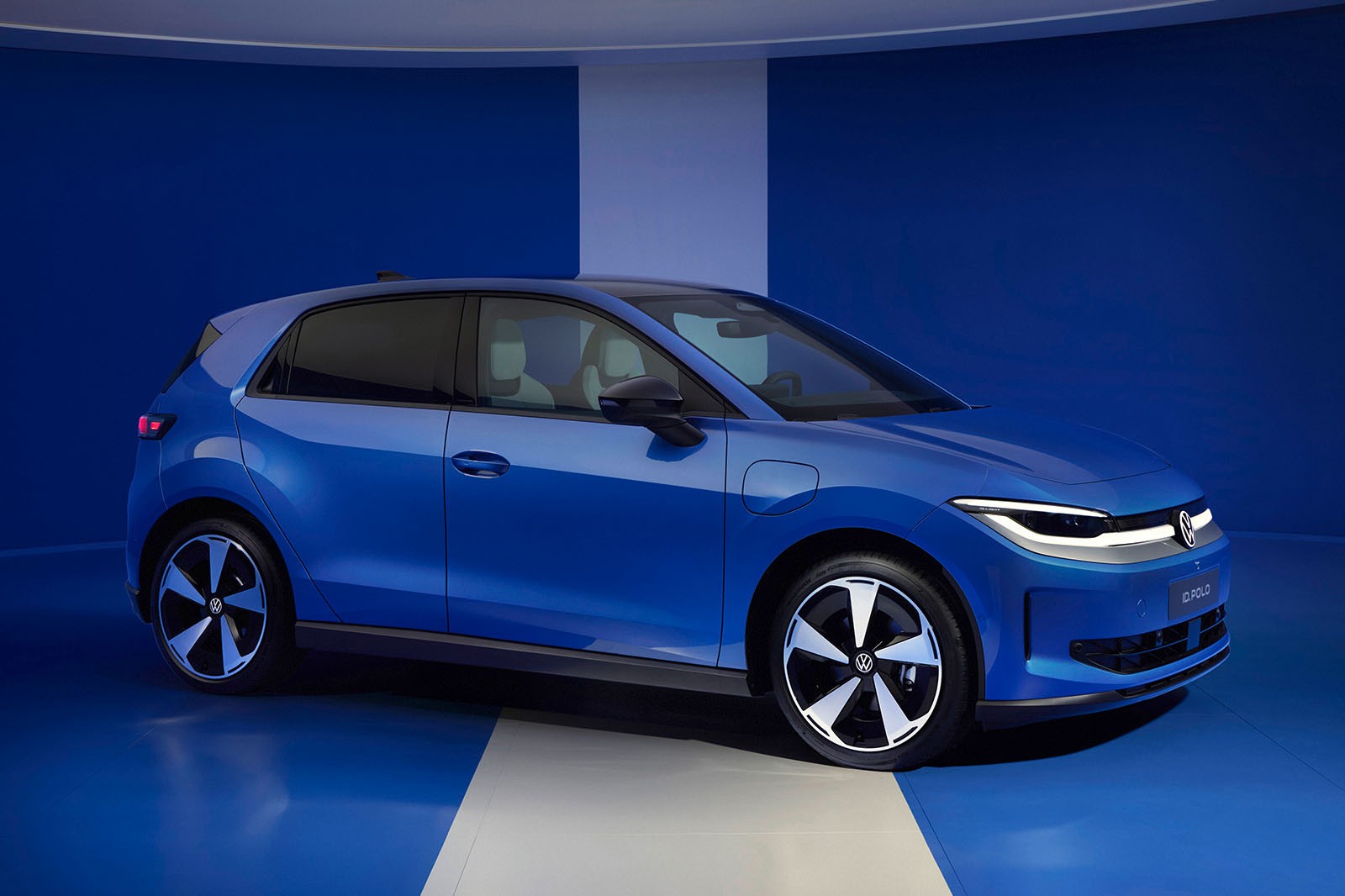
Volkswagen is preparing a major strategic shift in its electric vehicle (EV) lineup, signaling a move away from purely alphanumeric naming conventions toward more recognizable, heritage-driven brands. At the heart of this transition is the new ID Polo, an affordable electric hatchback designed to compete directly in the increasingly crowded B-segment.
A Strategic Pivot to Familiarity
Since the launch of the ID 3 in 2019, Volkswagen has relied on a numeric system for its electric models. However, the company is now pivoting back to its most legendary nameplates. The decision to name this new EV the “ID Polo” is a calculated move to leverage decades of brand equity.
According to CEO Thomas Schäfer, names like Polo and Golf carry deep-rooted associations with quality and accessibility. By applying these names to electric models, Volkswagen aims to make the transition to EV ownership feel more intuitive and less intimidating for traditional petrol-car drivers.
Competitive Positioning and Pricing
The ID Polo enters a high-stakes market where manufacturers are racing to provide “entry-level” electric mobility. It is positioned to take on formidable European rivals, most notably the Renault 5 and the Fiat Grande Panda.
While UK pricing remains unconfirmed, European pricing provides a clear indication of its market placement:
* Starting Price: €24,995 (approximately £21,700).
* Market Context: This places the ID Polo slightly above the Fiat Grande Panda (£20,995) and in direct competition with the Renault 5 (£21,495).
Design and Practicality: “Golf-Sized” Interior
Under the design leadership of Andreas Mindt, the ID Polo introduces a new visual language that aims to bridge the gap between the brand’s traditional aesthetic and its electric future. The design is heavily inspired by the ID 2all concept seen in 2023.
Despite maintaining dimensions nearly identical to the standard petrol Polo (4.05m long), the ID Polo leverages the new MEB Plus platform to maximize internal volume.
Key Specifications and Features:
- Dimensions: 4.05m (L) x 1.8m (W) x 1.5m (H).
- Interior Space: Technology chief Kai Grunitz claims the interior is “as spacious as a Golf.”
- Storage: A specialized “basement” under the boot increases total capacity to 441 litres, making it practical enough to accommodate items like a stroller.
The Broader EV Roadmap
The ID Polo is not an isolated release; it is the second of four upcoming entry-level EVs from the Volkswagen Group that will share a common platform. This rollout represents a massive reinvention of the brand’s electric strategy.
Upcoming Models & Developments:
1. Cupra Raval: Already part of the new entry-level wave.
2. ID Polo: Launching this summer, produced at the Martorell plant in Spain.
3. ID Cross & Skoda Epiq: Crossover models expected to follow shortly.
4. Rebranding Strategy: In a move to simplify the lineup, the ID 4 is expected to be rebranded as the ID Tiguan following its next major update.
The ID Polo represents a shift in philosophy: moving from “EVs as a new category” to “EVs as the natural evolution of trusted classics.”
Conclusion
By blending heritage branding with a focus on practical, affordable electric mobility, Volkswagen is attempting to capture the mass market. The success of the ID Polo will likely determine whether the brand can successfully migrate its loyal petrol-car customer base into the electric era.