Mercedes-Benz is preparing to redefine its compact luxury segment with the introduction of the 2027 C-Class EV. Moving away from traditional internal combustion designs, the new electric sedan emphasizes brand identity through striking visual cues and high-performance specifications.
Distinctive Design Language
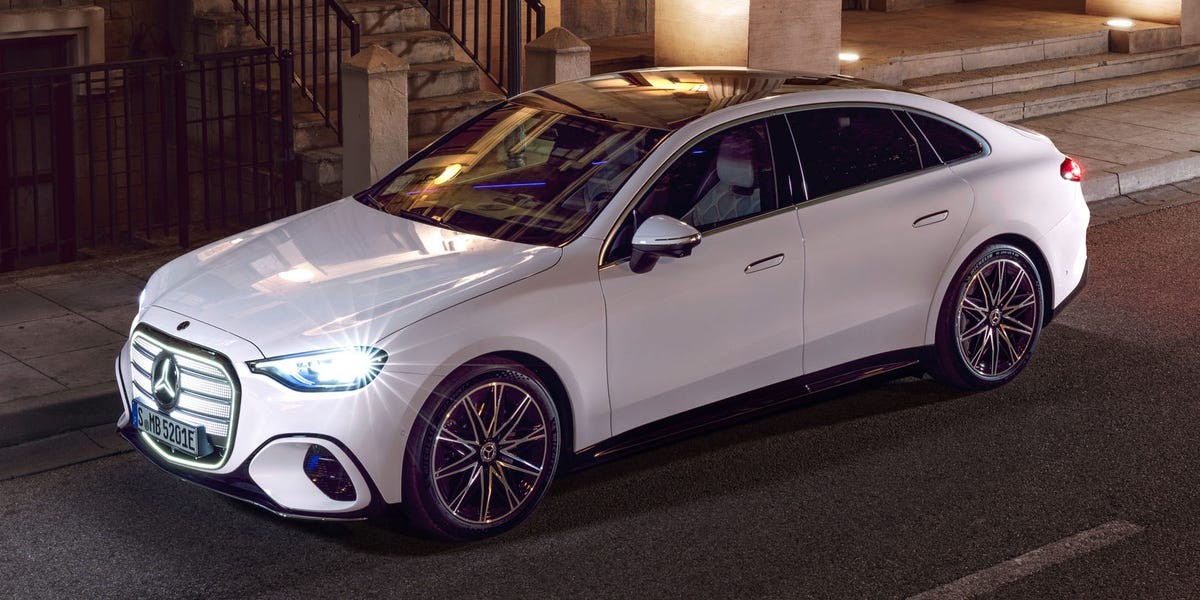
The 2027 C-Class EV departs from the classic sedan silhouette, opting instead for a sleek fastback roofline that blends sportiness with aerodynamic efficiency. Mercedes has leaned heavily into its iconic branding to ensure the vehicle is instantly recognizable:
- Front Fascia: A prominent, oversized three-pointed star dominates the grille, signaling the car’s electric identity.
- Rear Aesthetics: The design language carries through to the back, where the taillights feature a unique star-themed motif.
This design shift reflects a broader trend in the automotive industry, where EV manufacturers are using unique lighting signatures and unconventional body shapes to differentiate themselves from legacy gasoline models.
Performance and Powertrain
For drivers seeking power, the C400 4Matic variant serves as the high-performance flagship of the lineup. Utilizing a dual-motor all-wheel-drive system, the C400 delivers a significant output of 482 horsepower.
The performance metrics suggest a vehicle capable of serious acceleration:
– 0–60 mph: Approximately 3.9 seconds.
– Driving Dynamics: The dual-motor setup ensures balanced power distribution across all four wheels, a necessity for maintaining stability in high-performance electric vehicles.
Range and Rapid Charging Capabilities
One of the primary hurdles for EV adoption is “range anxiety”—the fear of running out of power before reaching a destination. Mercedes aims to mitigate this with a robust battery and charging architecture.
The vehicle is equipped with a 94-kWh battery pack, which is projected to offer an estimated range of 350 miles on a single charge. To support long-distance travel, the C-Class EV features ultra-fast charging capabilities:
With a peak charging speed of 330 kW, drivers can replenish the battery from 10% to 80% in just 22 minutes.
This rapid charging capability is crucial, as it brings the electric refueling experience closer to the convenience of traditional gas station stops, making the vehicle