Peugeot is making a deliberate return to its performance roots, confirming that the next iteration of the 208 hot hatch will draw heavily from the legendary 205 GTI. This move is part of a broader strategy to re-establish the brand as a provider of “great driving sensations,” with CEO Alain Favey emphasizing that the GTI badge will be more than just a one-off revival. The company is already building on the momentum with the electric e-208 GTI, setting the stage for a wider range of high-performance models.
Electric Hot Hatch Push
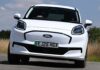
The e-208 GTI will compete directly with rivals like the Alpine A290, Cupra Born VZ, and Volkswagen ID Polo GTI. Boasting 278bhp, a 0-62mph time of 5.7 seconds, and a mechanical limited-slip differential, the e-208 GTI marks Peugeot’s first foray into electric hot hatches since the 308 GTi of 2015. Favey made it clear that the GTI name will endure, with plans for future models beyond the e-208.
“We would not do it if we didn’t think that we want the GTI badge to continue existing in future. So definitely we will make sure that there is a future for GTi which goes beyond just that one.”
A Competitive Landscape
Peugeot is openly targeting Alpine’s A290 as its primary benchmark, aiming to surpass its rival in performance and driving experience. The brand’s historic rivalry with Renault, dating back to the original 205 GTI versus the Renault 5 GT Turbo, is being reignited in the electric era. This competitive spirit drives Peugeot’s ambitious development timeline for the e-208 GTI. Orders will open at the 2026 Le Mans race, with deliveries expected by year-end – a deliberate 18-month lead time to ensure the vehicle lives up to expectations.
Heritage and Future Direction
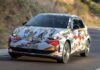
The revival of the GTI badge is not merely about performance figures; it’s about reclaiming Peugeot’s heritage. The Polygon concept, previewing the next 208, already nods to the 205 GTI’s iconic styling, hinting at potential retro cues like pepperpot wheels and red pinstriping. The larger 308 is also slated for a GTI version, positioning Peugeot to compete with rivals such as the VW Golf GTI and Cupra Leon.
Electric-Only Strategy
However, Peugeot has ruled out a return to petrol-powered GTIs, citing prohibitive CO2 emissions penalties in France. The French market is critical to Peugeot’s viability, and the costs associated with selling high-emission vehicles would render them unsustainable. Favey explained that while a petrol GTI might be desirable, it would be financially impractical for consumers and the company alike.
The decision reflects a strategic shift toward electric performance vehicles, aligning with growing environmental regulations and consumer demand. Peugeot is betting that the GTI legacy can thrive in the electric age, providing a compelling driving experience without compromising sustainability.
In conclusion, Peugeot is doubling down on its performance heritage by aggressively expanding the GTI range, prioritizing electric models, and setting ambitious benchmarks against competitors. This move signals a firm commitment to delivering engaging driving dynamics while adapting to evolving automotive landscapes.