While high-performance engines often steal the spotlight, some of the most reliable powerplants are quietly enduring hundreds of thousands of miles without complaint. The inline-four configuration, often overlooked in favor of V6s or V8s, has quietly produced some engines that are built to last. These five engines demonstrate that simplicity, durability, and low stress can equal longevity.
Toyota 22R-E: The Underrated Workhorse (1981-1995)
Toyota’s reputation for reliability extends to its 2.4-liter 22R-E engine, produced from 1981 to 1995. This engine powered models like the 4Runner, Hilux, and Toyota Pickup, and was notable for its lack of major changes during its production run. Producing 105 horsepower and 136 pound-feet of torque with a conservative 5,700 RPM rev limit, it prioritized longevity over peak performance.
The 22R-E’s simplicity – single-cam design, minimal electronics, and low compression – allowed it to handle poor fuel quality and neglect without issue. Owners routinely report exceeding 300,000 miles with basic maintenance, solidifying its status as an incredibly dependable workhorse. This engine exemplifies how a lack of complexity can translate into exceptional durability.
Honda K24: The Tuner’s Secret Weapon (2001-2024)
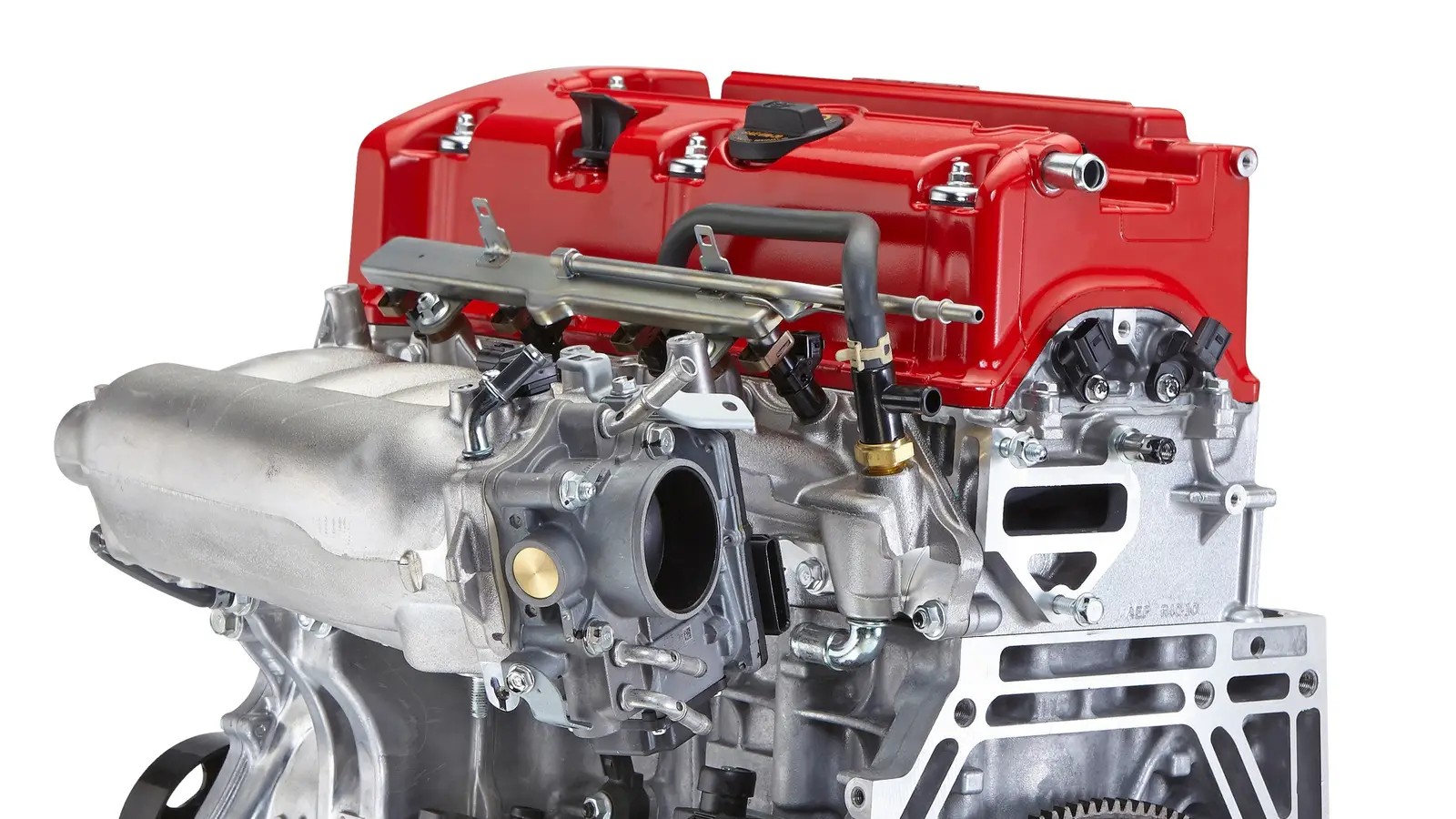
The Honda K24 engine has earned a cult following for its reliability, tunability, and versatility. Designed as an upgrade to the K20, it delivers more torque thanks to its longer stroke and taller deck height. Spanning 23 years of production, the K24 powers vehicles from the Honda CR-V to the Acura TLX, and is a favorite in the aftermarket scene.
The factory-spec K24 in the TLX produces 206 horsepower and 182 pound-feet of torque, but its true strength lies in its ability to withstand abuse while routinely exceeding hundreds of thousands of miles, even with minimal maintenance. The K24’s widespread use and proven durability make it a standout choice for both daily drivers and performance enthusiasts.
Toyota 2AZ-FE: The Ubiquitous Survivor (2000-2012)
Introduced in 2000 as a replacement for the older 5S-FE, Toyota’s 2AZ-FE engine is often overlooked but remarkably widespread. Millions were produced over 12 years with few modifications, powering models like the Camry, RAV4, Scion tC, and Highlander.
The engine’s compact size (626mm x 608mm x 681mm) and light weight (242 pounds dry), thanks to its aluminum construction, made it versatile. While early versions had oil consumption issues due to piston ring design, proper maintenance ensures long-term reliability. The 2AZ-FE’s high production volume speaks to its practicality and endurance, despite its initial flaws.
General Motors’ Iron Duke: The Multi-Vehicle Legend (1977-1993)
The Iron Duke engine, developed by GM’s Pontiac division, is a true survivor. Produced from 1977 to 1993, it powered vehicles from Chevrolet and Pontiac to Jeep, Isuzu, and even mail trucks. GM simplified its engine range with this efficient inline-four, which was designed for broad compatibility.
Weighing around 375 pounds, the Iron Duke featured a cast-iron block and a simple single-cam, pushrod valve train. Output ranged from 85 to 110 horsepower, but its simplicity and durability were its strengths. Issues like overheating and oil leaks were rare, and its low output meant minimal stress. The Iron Duke’s adaptability and longevity made it a workhorse for GM for over a decade.
Volvo “Redblock” B230F: The Brick’s Heart (1982-1998)
Volvo’s B230F engine, known for its red-painted block, is widely considered the most durable engine Volvo ever made. Owners frequently report exceeding half a million miles without major issues. Introduced in the Volvo 700 Series in 1982, it powered millions of rear-wheel-drive Volvos through the early 1990s.
The B230F’s thick cast-iron block, robust internals, and modest power output (around 130 horsepower) ensured it rarely experienced stress. The engine’s simplicity and ability to withstand harsh conditions cemented Volvo’s reputation for building indestructible vehicles. The B230F stands as a testament to the principle that simplicity, combined with over-engineering, can result in exceptional reliability.
These engines prove that longevity doesn’t always require complexity or high performance. Instead, careful design, durable materials, and a focus on reliability can create powerplants that outlast their owners and continue running for decades.