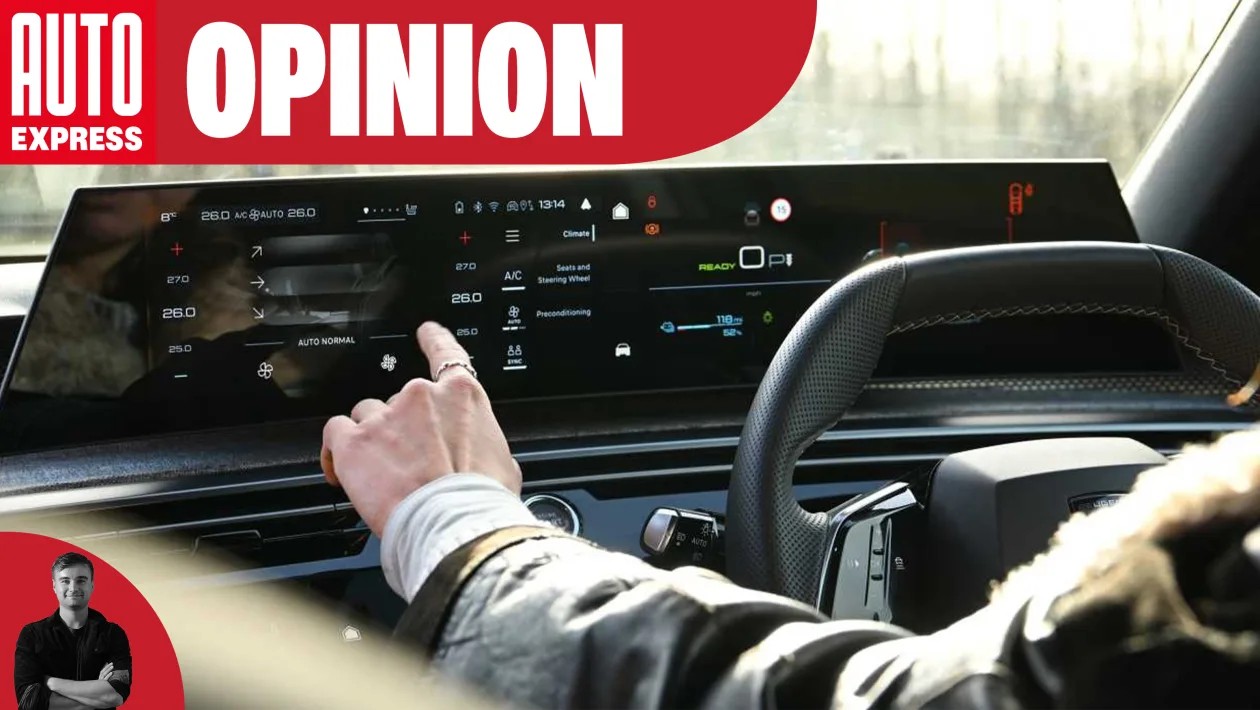
Modern car shopping requires a new checklist. While past generations marveled at cruise control, seatbelts, and cassette players, today’s buyers must thoroughly evaluate in-car touchscreen systems. These displays are now standard, but their usability – and safety implications – vary dramatically.
Why Touchscreens Matter
Touchscreens have quickly become central to vehicle operation. Unlike phones or tablets, using one while driving presents unique challenges. Poorly designed systems can be mildly frustrating or, critically, dangerously distracting. A recent test of 10 systems revealed huge differences: Skoda ranked highest for usability, while Genesis lagged behind. However, updates and new models mean the landscape is constantly shifting.
How to Test Effectively
Before signing any deal, allocate time to learn the system’s layout. Don’t just play with menus when parked; simulate real-world tasks like disabling lane-keep assist, setting navigation, or adjusting climate control while driving on a test course (if possible). Frequent operations should be tested in motion, not just in the showroom.
Connectivity is Key
Don’t assume Apple CarPlay or Android Auto compatibility. Verify if your phone pairs seamlessly with the system. A smooth connection can be a deal-breaker for many.
The Bottom Line
While familiarity breeds efficiency with touchscreens, physical controls remain faster and simpler. Prioritizing touchscreen testing is no longer a luxury—it’s essential for safe and practical vehicle ownership.