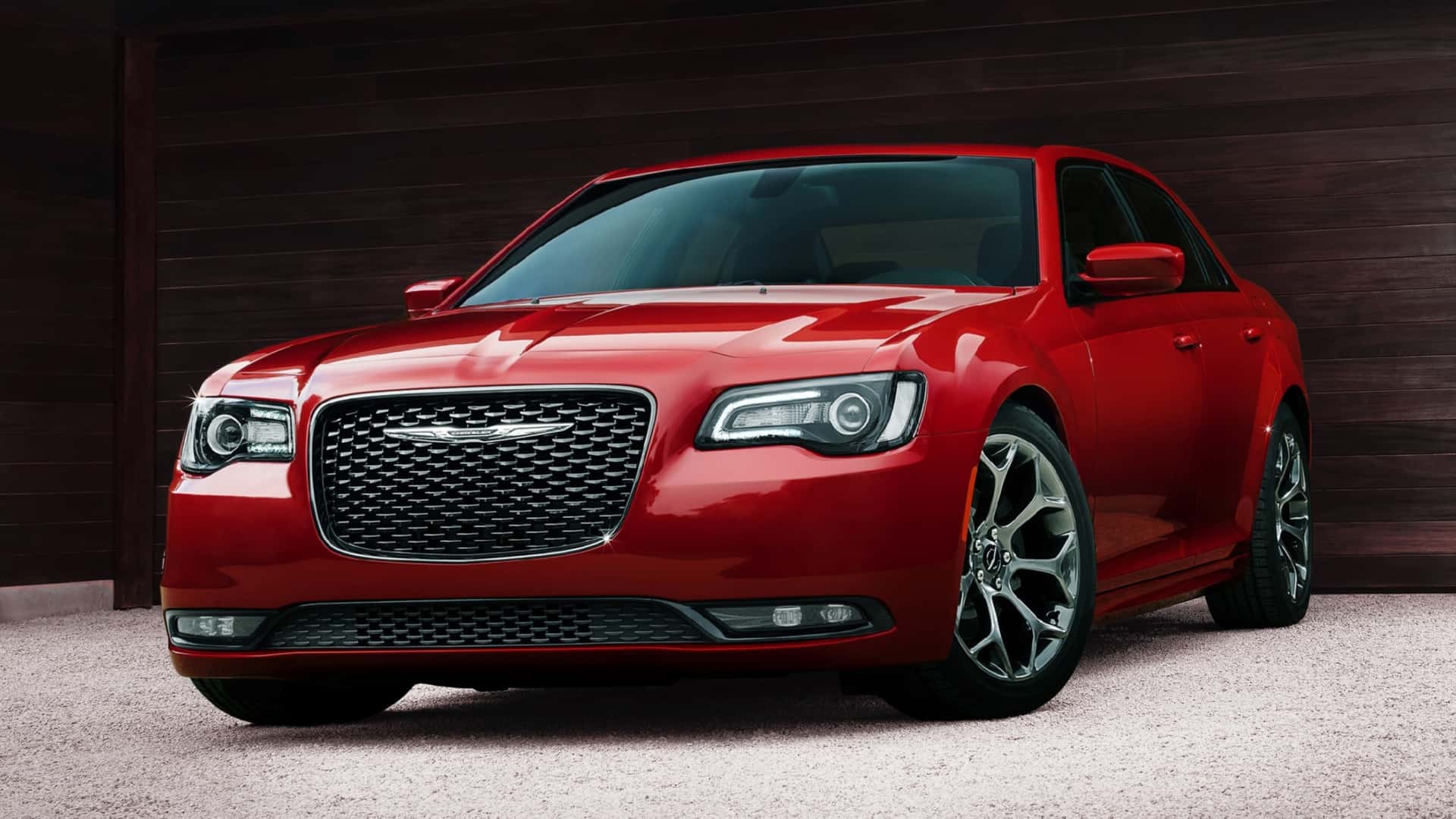
Stellantis design chief Ralph Gilles reports a growing consumer interest in sedans, signaling a potential shift away from the long-dominant crossover and SUV market. After years of explosive growth in the SUV segment, buyers – particularly younger demographics – are beginning to express a preference for more traditional car body styles.
The End of the “Crossover Craze”?
Gilles, speaking to Car Design News, stated he’s “fatigued” with the SUV trend, suggesting it has already peaked. This sentiment aligns with emerging data showing a renewed interest in sedans among young drivers. Stellantis currently offers the Dodge Charger and Alfa Romeo Giulia as its only sedan models in the U.S. market.
The shift isn’t just anecdotal; a recent Escalent survey revealed that 51% of teenagers envision themselves driving a sedan in the future, compared to 31% who prefer an SUV and just 14% who desire a truck. This suggests that as young consumers come of age, they are actively seeking alternatives to the vehicles their parents drive.
Why Sedans Are Making a Comeback
The resurgence of sedan interest stems from several factors. First, many young people grew up surrounded by SUVs and crossovers, creating a natural desire to differentiate themselves. This mirrors historical trends where younger generations often reject the automotive preferences of their elders – similar to how station wagons and minivans fell out of favor with subsequent generations.
Second, sedans often offer a more engaging driving experience and are easier to maneuver in urban environments. Gilles noted that young designers are looking for vehicles like the 1980s GTI: “a personal car that’s fun to drive and easy to park.”
The Challenge: Affordable Options
While demand may be rising, the availability of affordable sedans remains limited. The current market leans heavily toward premium and luxury models. Automakers will need to respond by offering more budget-friendly options to capitalize on the renewed consumer interest.
The shift toward sedans isn’t just a trend; it’s a rejection of automotive conformity. The question now is whether manufacturers will meet this demand with accessible, appealing models.
The return of the sedan could reshape the automotive landscape, signaling a broader re-evaluation of vehicle preferences in the years to come.