Renault is holding back on a wider rollout of electric vehicles (EVs) in Australia, citing a market that’s not yet large enough to justify the investment. Despite launching its third EV model, the Scenic E-Tech, the company’s Australian boss, Glen Sealey, says current EV adoption rates are too low to make bringing in additional electric models financially viable.
Limited Market Penetration and Regulatory Hurdles
Currently, EVs make up less than 10% of Australia’s 1.2 million annual car sales. Sealey explained that Renault would need to see a significant shift – ideally 40% EV penetration – to make expanding its electric lineup worthwhile. The current numbers simply don’t provide the scale needed for profitability.
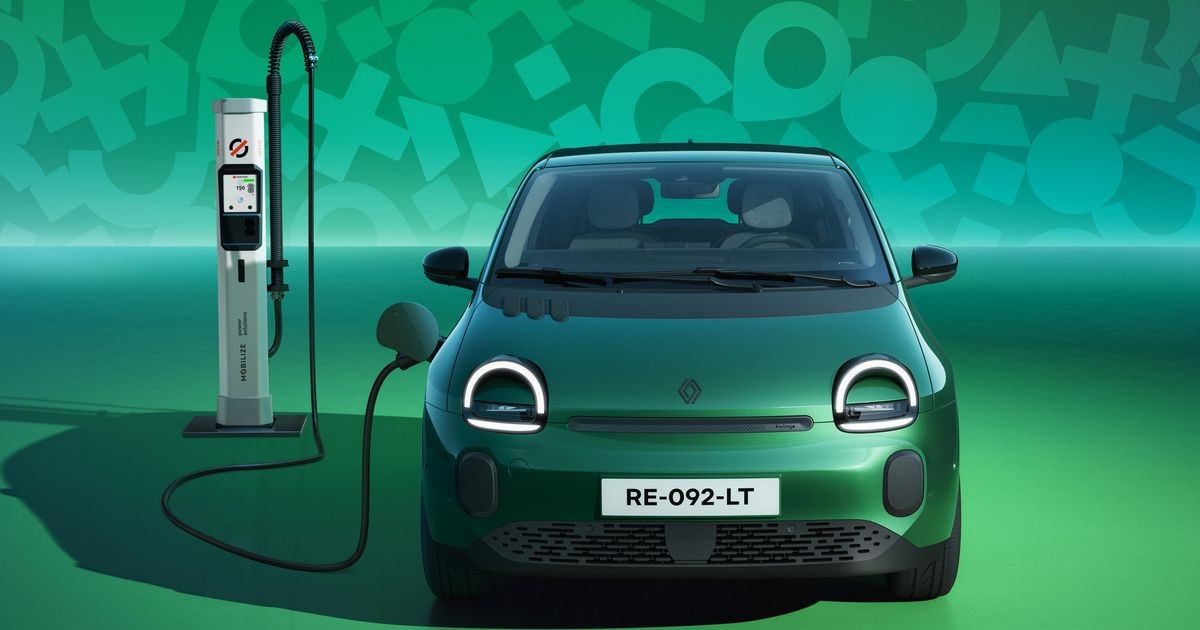
The situation is further complicated by Australian safety regulations, which prevent some of Renault’s overseas EV models, like the Twingo E-Tech and Renault 4 E-Tech, from being sold locally. These models are popular in Europe, where EV adoption is higher, but don’t meet Australian standards.
Hybrid Strategy as a Bridge
Renault isn’t abandoning electrification entirely; it’s opting for a mixed approach. The company plans to bring in new hybrid models, such as the Symbioz small SUV, to meet increasingly strict carbon emissions targets under Australia’s New Vehicle Efficiency Standard (NVES). Hybrids offer a quicker way to reduce fleet-wide CO2 emissions without relying solely on the slower growth of pure EV sales.
This strategy allows Renault to avoid penalties for exceeding emissions limits while waiting for the EV market to mature. The company delivered 4,569 vehicles in Australia last year, compared to Tesla’s 28,856 EV-only units. This illustrates the current imbalance in the Australian EV landscape.
Future Plans and Global Trends
Renault’s global EV efforts are continuing, with new models like the Filante hybrid SUV and the next-generation Trafic E-Tech van already in development. The company is also streamlining its EV division, Ampere, by reintegrating it into the core Renault business by 2026. This move aims to accelerate EV development and manufacturing, potentially benefiting Alliance partners Mitsubishi and Nissan.
Renault is previewing EVs built on its newest RGEV Medium 2.0 platform, which promises ranges of up to 750km (WLTP) for all-electric models and 1400km for extended-range EVs. The company will continue to monitor EV demand in Australia, but profitability, dealer viability, and customer needs remain the primary factors in any future expansion plans.
Ultimately, Renault’s approach is pragmatic. The company will expand its EV offerings in Australia only when the market conditions—size, regulations, and consumer demand—align with its business goals.