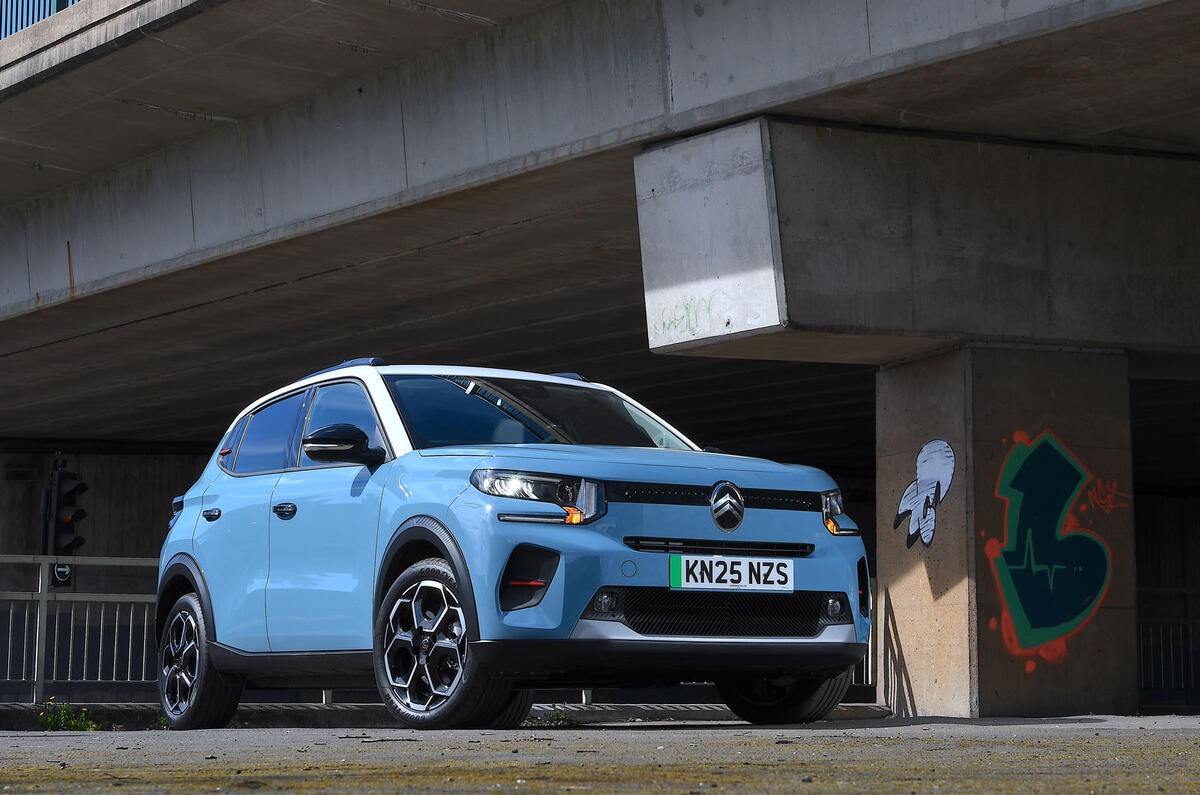
Stellantis is facing a critical challenge: how to manage a massive portfolio of brands without letting them bleed into one another. Gilles Vidal, the newly appointed head of design for Stellantis Europe, has made his mission clear—the company must stop producing “clones” and start giving its individual brands a reason to exist in the eyes of the consumer.
The Problem: Platform Sharing vs. Brand Identity
Under the current structure, Stellantis manages an expansive list of brands, including Alfa Romeo, Citroën, Fiat, Jeep, Maserati, Opel/Vauxhall, and Peugeot, among others. While these brands share technical platforms to save costs—a standard practice in the modern automotive industry—this efficiency has come at a cost to visual and emotional distinction.
When cars share the same “bones,” they often end up looking and feeling too similar. This creates a dilemma for the consumer: if a Peugeot and an Opel look nearly identical, why choose one over the other?
“The client will still compare an Opel/Vauxhall to a Peugeot to a Citroën… because Stellantis isn’t a thing for most clients. We will make sure that we compete more against the real competition and less between ourselves.” — Gilles Vidal
A Return to Distinctive DNA
Vidal is no stranger to this balancing act. Having previously led Peugeot’s design language and the development of the iconic i-Cockpit, he understands that a brand’s value lies in its specific “personality.”
He points to a previous era within the PSA Group (the predecessor to Stellantis) as a successful blueprint. Models like the Citroën C5 Aircross and the Peugeot 3008 were built on similar technical foundations, yet they felt like entirely different vehicles. They offered distinct driving experiences and visual identities, ensuring that customers chose them based on brand preference rather than just price or availability.
Strategy for the Future: Innovation Without Chaos
Vidal’s strategy for the coming years involves two main pillars:
- Sharper Branding: Ensuring each brand has a “super-sharp” identity so that customers feel they are buying a specific lifestyle or experience, rather than just a generic Stellantis product.
- Controlled Innovation: Using brands like Peugeot to push technological boundaries—such as the Hypersquare steer-by-wire system seen in the Polygon concept—while ensuring the final consumer products remain elegant and grounded rather than “futuristic and crazy.”
Why This Matters
In the automotive industry, brand loyalty is a primary driver of profit. If a manufacturer loses the ability to differentiate its brands, it essentially enters a “race to the bottom,” where different models compete only on price because they offer no unique emotional or aesthetic value. By focusing on differentiation, Stellantis aims to protect the premium positioning of brands like Alfa Romeo and Maserati while maintaining the mass-market appeal of Fiat and Opel.
Conclusion
Gilles Vidal’s goal is to transform Stellantis from a collection of similar-looking vehicles into a powerhouse of diverse, recognizable brands. Success will be measured by whether a customer can look at a car and know exactly which brand it belongs to without seeing a badge.