A complete service history (FSH) is often a key selling point for used cars, and a smart check for buyers. But what does it really mean, and how do you verify it? Here’s a breakdown of how to find, interpret, and sometimes reconstruct a vehicle’s maintenance record.
What is a Car’s Service History?
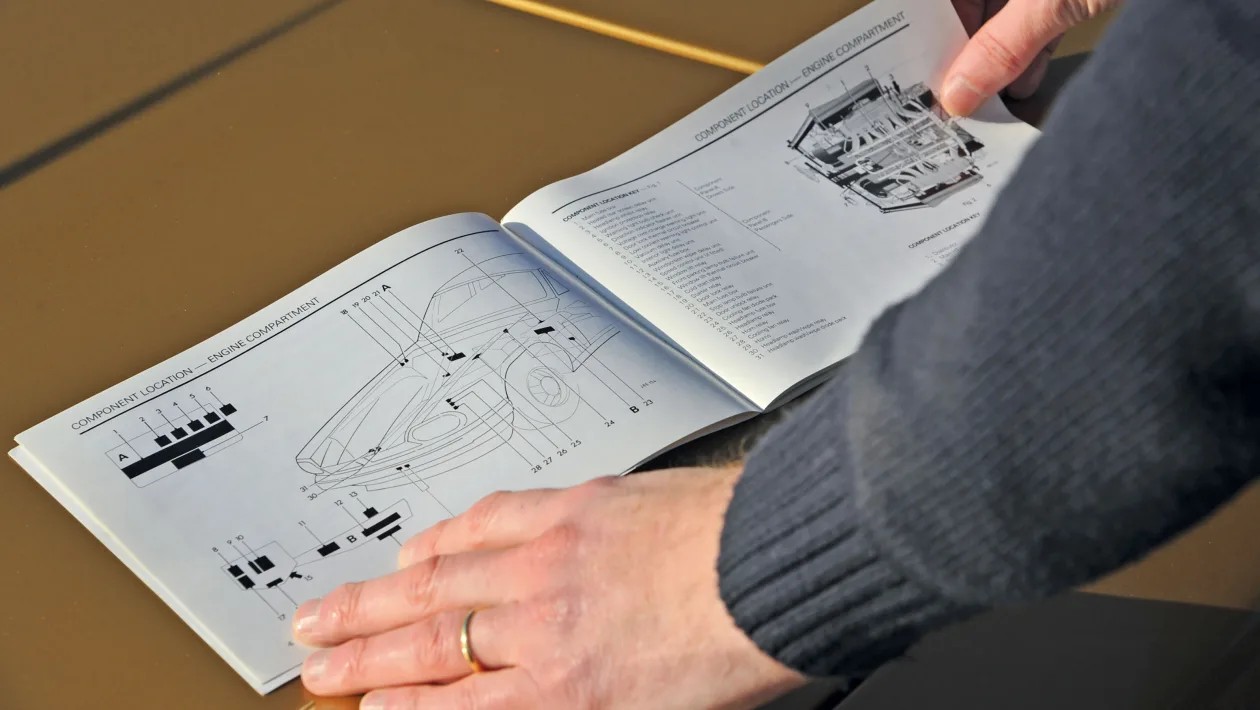
A car’s service history is a documented timeline of its routine maintenance. Traditionally, this means a physical service book stamped by mechanics after each service, showing the date, mileage, and work performed. Some owners also keep receipts, adding further proof of care. Modern vehicles increasingly have digital records stored by dealerships.
Why does this matter? A well-maintained car is less likely to break down unexpectedly, holds its value better, and gives buyers confidence. Conversely, gaps in the history raise questions about potential neglect.
Key Terms Explained
When dealing with used cars, you’ll encounter these terms:
- Part Service History (PSH): Some stamps are missing, potentially due to lost records or skipped maintenance.
- Full Service History (FSH): All scheduled services are documented, according to the car’s age and mileage.
- Full Dealership Service History (FDSH): Every service was performed by an authorized dealer, using manufacturer-recommended parts. This is often the most desirable scenario.
Where to Find the History
- Physical Service Book: The first place to look. It should be with the car.
- Dealership Records: Franchised dealers often keep digital records that can be retrieved with the car’s Vehicle Identification Number (VIN).
- Independent Garage Records: Less reliable, but some garages may retain copies of old invoices.
- Online Checks: MoT history checks can reveal service locations, and third-party services like HPI Check sometimes uncover missing records.
Recovering Missing Service History
If records are incomplete, here’s what to do:
- Contact Dealerships: If the car was serviced at a dealership, they may have digital backups.
- Check MoT Records: These show where the car was tested, potentially revealing service locations.
- Ask Previous Owners: If possible, contact previous owners for any documentation they kept.
Note: GDPR privacy rules may make it harder for garages to share records without proof of ownership.
What if the Service Book is Lost?
Losing the book doesn’t mean the history is gone. Dealerships and some independent garages may have digital records. However, a missing book does lower the car’s resale value.
The DVLA and Service History
The Driver and Vehicle Licensing Agency (DVLA) does not keep service records. Servicing is not legally required, so they don’t track it. MoT test history is available but provides limited maintenance details.
Conclusion
A car’s service history is a critical part of its value and reliability. Whether buying or selling, knowing how to verify the records, fill in gaps, and understand the terminology can save you money and headaches. A complete, verifiable history builds trust and ensures the car has been properly maintained.