The SEAT Arona has remained a relevant choice in the crowded small SUV market for nearly ten years. Despite lacking hybrid or electric options, its petrol engines provide a balance of economy and performance, while standard features are competitive. Though practical limitations exist, recent updates keep the Arona in contention.
Overview and History
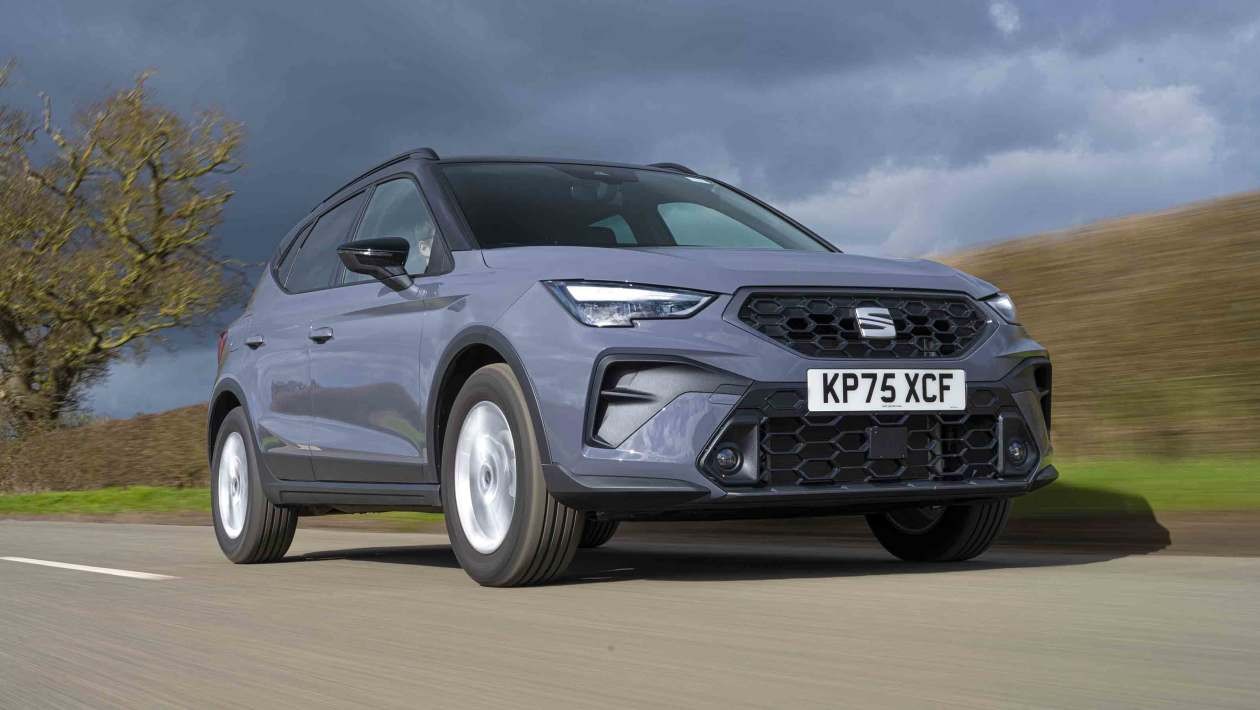
Launched in 2017, the SEAT Arona fills the entry-level SUV spot in the Spanish brand’s lineup. Sharing a platform with the Ibiza supermini, it’s front-wheel drive only. Updates in 2025 were designed to extend its showroom life, and the Arona stands out by offering metallic paint and a contrast black roof as standard – features often costing extra with competitors.
Engine Options and Performance
The Arona offers two petrol engines: a 1.0 TSI three-cylinder (94bhp or 113bhp) and a 1.5 TSI four-cylinder (148bhp). The 1.0 TSI comes with manual or automatic options, while the 1.5 TSI is exclusively paired with a DSG twin-clutch auto. The engines are responsive, with the 1.5 TSI providing stronger acceleration (0-62mph in 8.3 seconds).
Key Performance Metrics:
– 1.0 TSI (95PS): 11.1s, 113mph
– 1.0 TSI (115PS DSG): 9.9s, 121mph
– 1.5 TSI (150PS DSG): 8.3s, 132mph
Handling and Ride Quality
The Arona’s handling is surprisingly engaging for its class. It feels composed on the road, with enough power for overtaking when equipped with the 1.5 TSI engine. The ride is generally comfortable, but FR models with larger wheels can be firmer over rough surfaces. The steering is direct, making urban driving easy.
Interior and Technology
The Arona’s interior has been updated, but it still shows its age in some areas. While the design is functional, hard plastics are common. All models include an 8.25-inch touchscreen (upgraded to 9.2 inches on higher trims), digital dials, rear parking sensors, and safety features. The infotainment system is easy to access, but the controls take some getting used to.
Running Costs and Reliability
The Arona’s petrol engines are efficient, though it lacks hybrid tech. Official MPG figures range from 50.4-53.3 mpg, with real-world tests showing around 47.1 mpg. Insurance costs vary depending on the engine, with the 1.5 TSI being the most expensive (group 20).
Depreciation: The Arona retains roughly 46-48% of its value after three years, slightly behind rivals like the Skoda Kamiq and Toyota Yaris Cross.
Pricing and Deals
Prices for the Arona start around £23,000 for the SE trim. Upgrading to the auto gearbox or more powerful 1.0 TSI adds around £1,500. SE Technology is a worthwhile upgrade for around £1,000. FR models start at £27,500, with the 1.5 TSI auto costing an extra £1,000.
Conclusion
The SEAT Arona remains a solid choice in the small SUV segment, offering responsive engines, decent handling, and competitive features. While it lacks hybrid options and shows its age in some interior details, it provides a well-rounded package for buyers seeking a practical and enjoyable driving experience.