


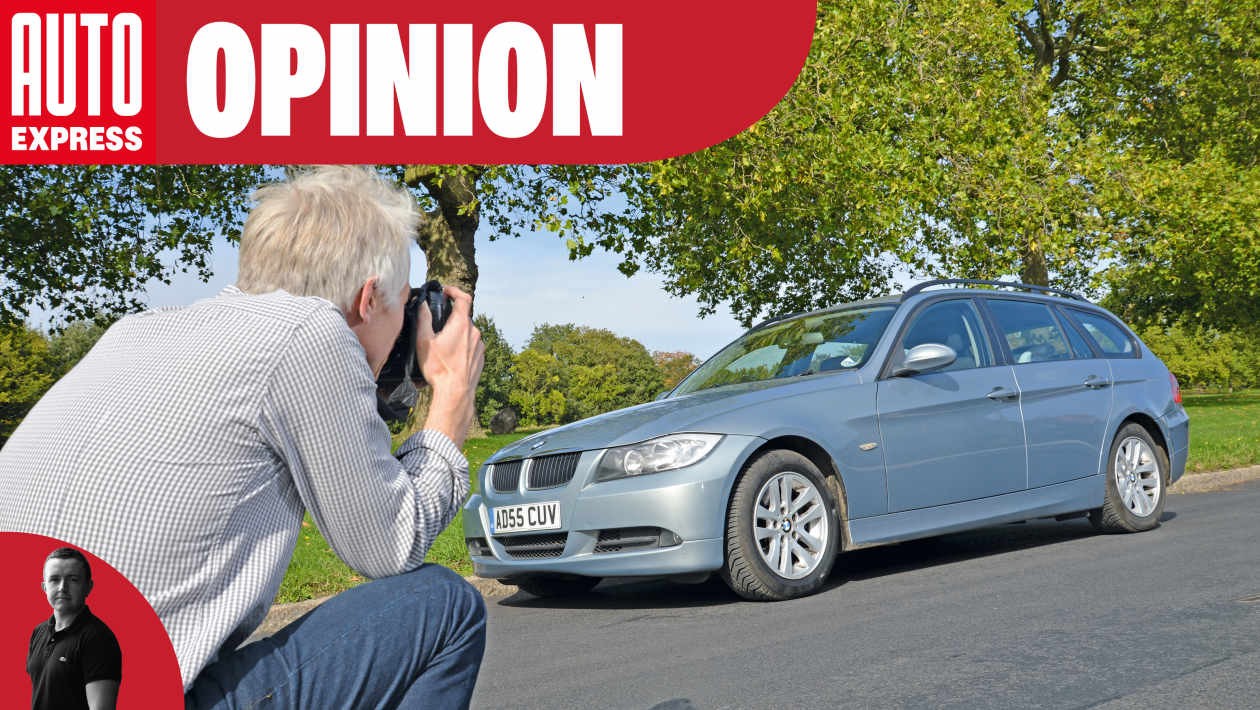
The used-car market has always been prone to deception, with tricks like mileage tampering and concealed damage. However, a growing trend of sellers using image-editing software to hide vehicle flaws is making it even harder for buyers to trust online listings.
The Rise of Digital Deception
While photo editing tools are commonly used for legitimate purposes, some sellers are exploiting them to remove dents, rust, and other visual defects from car photos. This practice ranges from minor enhancements to outright fabrication, including replacing backgrounds to hide the car’s surroundings.
Why this matters: The digital manipulation of images adds another layer of risk to a market already known for its lack of transparency. Buyers now need to be more cautious than ever when assessing vehicles online.
Spotting the Red Flags
Not all image editing is malicious; some sellers may simply want to improve their photos. However, certain signs should raise suspicion:
- Fake backgrounds: If the car is placed in an unrealistic or overly polished environment, it could indicate the seller is trying to conceal something.
- Blurring or smudging: These tools can hide minor damage or rust. Look for mismatched colors, broken reflections, or inconsistencies in panel appearance.
- AI-enhanced images: Artificial intelligence can now convincingly restore damaged cars in photos, making it crucial to rely on instinct.
A Buyer’s Rule of Thumb
If a deal seems too good to be true, it likely is. Always trust your gut and walk away if you suspect foul play.
The reality is that image manipulation in used-car ads is becoming increasingly sophisticated. Buyers must remain vigilant and remember that photos can be deceiving. A thorough inspection in person is still the best way to verify a vehicle’s condition before making a purchase.


