California has long served as the primary bellwether for electric vehicle (EV) adoption in the United States. However, recent registration data from the first quarter of 2026 suggests that the state’s once-rapid momentum is hitting a significant roadblock.
The data reveals a sharp contraction in the zero-emission vehicle (ZEV) market, characterized by a massive drop in total sales and a volatile landscape for both established leaders and emerging competitors.
The Numbers Behind the Downturn
The scale of the decline is substantial. In the first quarter, California saw 57,111 zero-emission vehicle registrations, a staggering 40.2% decrease compared to the 95,520 units sold during the same period last year.
This drop in the EV sector is occurring against a backdrop of a cooling broader automotive market, where total new car registrations fell by 8.9%. This shift has resulted in EVs capturing a much smaller slice of the pie:
– Q1 2024: 22% market share
– Q1 2025: 21% market share
– Q1 2026: 13.7% market share
This downward trend suggests that the “early adopter” phase may be transitioning into a more difficult period of mass-market integration, where consumer hesitation is becoming more pronounced.
Tesla’s Paradox: Losing Volume but Gaining Dominance
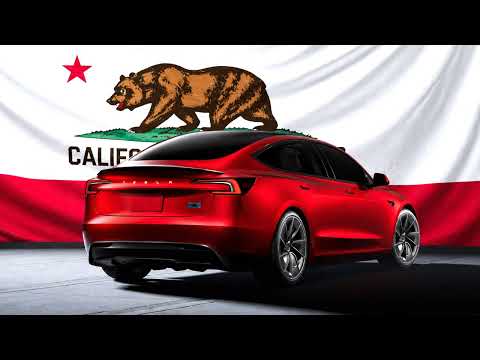
Tesla, the undisputed leader of the EV space, is not immune to this slump. The company saw its first-quarter registrations fall by 24.3%, dropping from 42,211 units last year to 31,958 this year.
However, Tesla’s performance presents a unique paradox. While its raw sales numbers are down, its relative market dominance actually increased. Tesla’s share of the ZEV market rose from 44.2% in Q1 2025 to 56% in Q1 2026. This growth in market share is not necessarily a sign of Tesla’s strength, but rather a reflection of the “collapse” of its competitors; as other brands lost significant ground, Tesla became the default choice for the remaining EV buyers.
A Brutal Landscape for Legacy Automakers
While Tesla’s decline was significant, most other manufacturers experienced much more severe losses. The data shows a near-total evaporation of demand for several brands:
- Acura: Fell 99.1% (from 1,279 to 11 units)
- Audi: Fell 90.9%
- Honda: Fell 81.6%
- Dodge: Fell 79.7%
- Chevrolet & Ford: Both saw declines of roughly 59%
- BMW: Fell 58.9%
In contrast, a few players managed to buck the trend, suggesting a shift in consumer preference toward specific brands or technologies:
– Lexus saw a massive 192.1% increase in registrations.
– Toyota grew by 37.8%.
– Lucid increased by 37.1%.
The success of Lexus and Toyota—brands heavily associated with hybrid technology—raises an important question: Are consumers pivoting away from pure electric vehicles in favor of hybrids as a middle ground?
Why is the Market Cooling?
The decline in California’s EV market is not driven by a single factor, but by a “perfect storm” of economic headwinds that have made vehicle ownership more difficult for the average consumer:
- Affordability & Inflation: Rising costs of living and general inflation have squeezed consumer budgets.
- High Interest Rates: Increased financing costs have made monthly payments for new vehicles significantly more expensive.
- Price Pressures: New tariffs and supply chain shifts have contributed to higher sticker prices.
- Policy Shifts: The phase-out of certain federal tax credits has removed a key incentive that previously helped bridge the price gap between EVs and internal combustion engines.
The contraction in California’s EV market highlights a growing tension between ambitious climate goals and the harsh economic realities of high interest rates, inflation, and shifting consumer preferences toward hybrid models.
Conclusion: The sharp decline in California’s EV registrations signals a cooling period for the electric transition, driven by economic pressures that are forcing consumers to prioritize affordability and hybrid flexibility over pure electric adoption.