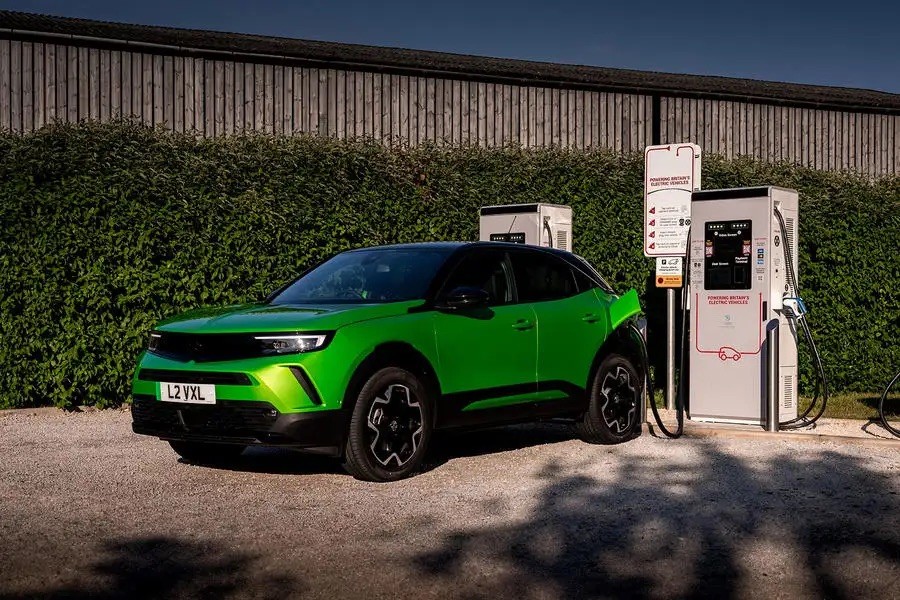
Automaker Stellantis is pressing the UK government to immediately launch a review of its electric vehicle (EV) targets, citing critical uncertainty over future investment and profitability. The company argues that the current regulatory framework, designed to push the market toward 80% EV adoption by 2030, leaves manufacturers in a precarious position – unable to confidently plan vehicle development or ensure financial viability beyond that deadline.
Regulatory Uncertainty Threatens Investment
Stellantis UK boss Eurig Druce stated bluntly at the Society of Motor Manufacturers and Traders (SMMT) conference: “At this point in the UK, you don’t know what technology we can use yet [from 2030], let alone whether you’re able to make any money in the UK market.” This isn’t just an idle concern. Car companies make investment decisions years in advance, and the lack of clarity on post-2030 regulations effectively paralyzes long-term planning.
The government has relaxed its initial zero-emission vehicle (ZEV) mandate to allow hybrids beyond 2030, but the 80% target still steers the market heavily toward full electrification. The delayed review, promising results no sooner than early 2027, is seen as dangerously late by industry leaders.
Manufacturers Demand Immediate Action
Other automakers – including Jaguar Land Rover (JLR), Ford, and Volvo – echoed Stellantis’ urgency. Ford UK boss Lisa Brankin demanded a swift resolution: “Start the review, get it completed and make a decision, and make the announcement this year.”
The core issue isn’t just about technical compliance; it’s about profitability. Druce explained that current EV discounting to meet the ZEV mandate already eats into margins. “You’re not able to profit from making and selling electric vehicles in the UK market today.”
Economic Sustainability at Risk
The implications extend beyond individual company balance sheets. If manufacturers cannot foresee sustainable returns on investment in the UK, the government’s broader economic goals – growth and job creation – will suffer. The industry isn’t simply asking for leniency; it’s warning that prolonged uncertainty will drive investment elsewhere.
“Businesses want to invest, of course, but you decide to invest where you can make a return, and if you cannot make the return in that country, then the ability of the company to invest and create the growth – that the government is looking for in the UK – is absent.”
This pressure underscores the fundamental tension between ambitious climate goals and the realities of industrial economics. The UK government faces a critical choice: provide regulatory stability and attract investment, or risk becoming a less competitive market in the global EV transition.
The delay in reviewing EV targets threatens future investments, potentially making the UK market unsustainable for major automakers. The industry is signaling that decisive action is required now, not in years, to secure long-term viability.