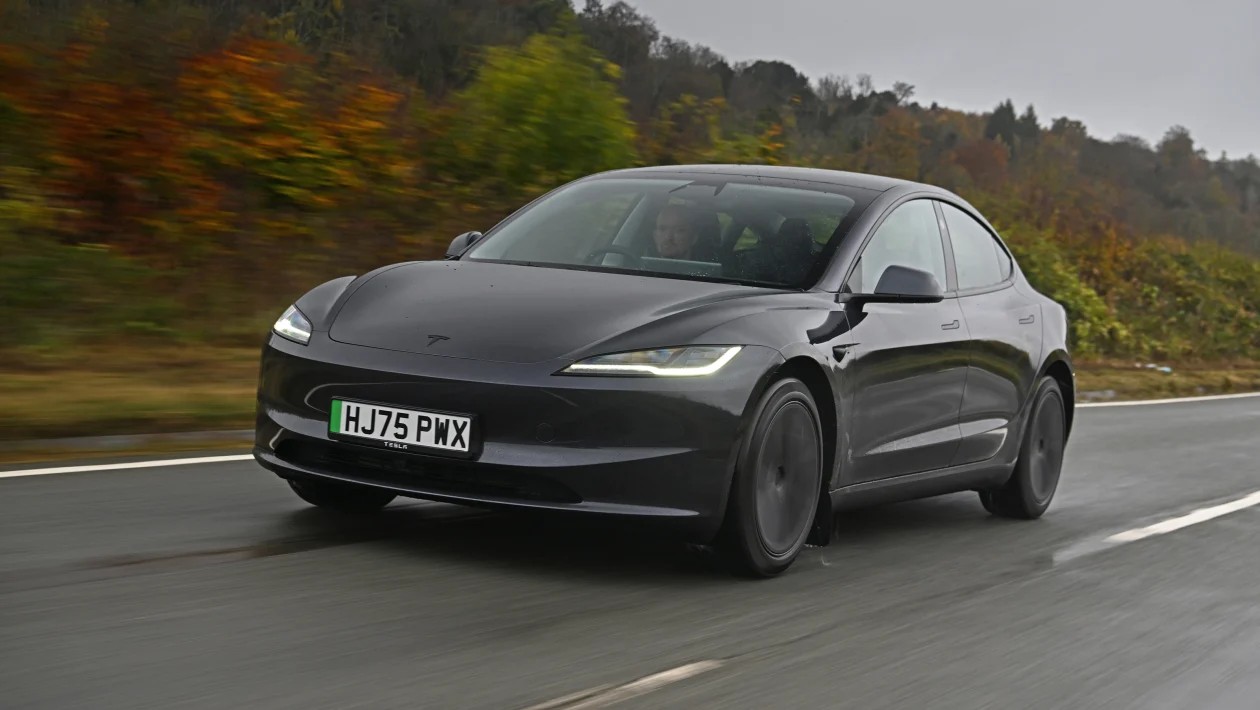
The Tesla Model 3 remains a benchmark in the electric vehicle (EV) market, offering a compelling blend of performance, technology, and range at a competitive price point. Recent updates have further refined this popular saloon, enhancing build quality and boosting efficiency. The Model 3 continues to dominate as one of the best-selling EVs globally, consistently earning accolades like Auto Express ’s Mid-Size Company Car of the Year for two consecutive years.
Practicality and Performance
The Model 3 strikes a balance between practicality and excitement. Spacious enough for families, it offers a comfortable cabin for long journeys. Tesla’s Supercharger network, coupled with the vehicle’s intelligent navigation system that preconditions batteries during charging stops, minimizes range anxiety.
Performance varies by trim. The rear-wheel drive version provides brisk acceleration, while the Long Range and Performance models deliver exhilarating speed, rivaling many sports cars. The latest Performance variant, reintroduced after a brief hiatus, boasts sub-3-second 0-60 mph acceleration, thanks to upgraded suspension, brakes, and track-focused customization options.
Interior and Technology
Inside, the Model 3 features a minimalist design dominated by a large central touchscreen. Standard equipment is generous, including heated and ventilated front seats, a glass roof, wireless charging, ambient lighting, and Tesla’s Autopilot driver-assistance system. A secondary touchscreen provides rear-seat passengers with entertainment controls.
However, the interior’s simplicity isn’t for everyone. Some drivers may prefer the more tactile feedback found in traditional luxury vehicles.
Competition and Refinement
While still competitive, the Model 3 now faces stiffer competition from newer EVs. A recent comparison against the Mercedes CLA revealed that while Tesla excels in performance and tech, the Mercedes offers better real-world efficiency and refinement.
Tesla has addressed some of these concerns with its mid-life facelift, adding acoustic glass and improved suspension damping. The result is a quieter, more comfortable ride, though the steering still lacks feedback compared to rivals like the BMW i4.
Pricing and Running Costs
The Model 3’s pricing starts around £38,000 for the base Standard trim, rising to £45,000 for the Premium and around £60,000 for the Performance model. Leasing options and a strong used market make ownership more accessible.
Running costs are favorable due to zero emissions and Tesla’s efficient charging network. Insurance is competitive, though high-performance variants fall into higher groups. Luxury car tax applies to pricier configurations after a few years of ownership.
Range, Charging, and Efficiency
The Model 3 boasts an impressive range, with the facelifted version exceeding 400 miles in some trims. This is partially due to aerodynamic improvements, reducing drag to a class-leading 0.219.
Charging is fast via Tesla Superchargers or compatible CCS chargers, replenishing the battery from 10% to 80% in under 30 minutes. Home charging with a 7.4kW wallbox takes around nine to twelve hours, depending on the battery size.
Driving Experience
The Model 3 delivers strong acceleration, even in the base rear-drive version. The Performance model stands out with its track-ready suspension, allowing for precise handling and customizable drive modes. While it doesn’t match the BMW i4 in overall engagement, the latest updates have significantly improved the driving dynamics.
The steering lacks feedback, but the Model 3’s precise accelerator and controlled braking make it a smooth and capable steer.
Conclusion: The Tesla Model 3 remains a compelling choice for buyers seeking a high-performance, technologically advanced EV. While competition is intensifying, Tesla continues to innovate and refine its flagship saloon, solidifying its position as a leader in the electric car market.