The Toyota Supra is a name synonymous with Japanese performance cars, but its journey from a Celica offshoot to a cultural icon is more complex than many realize. Over several decades, the Supra has evolved through distinct generations, each reflecting changing automotive trends and Toyota’s engineering ambitions. This article outlines the evolution of every Supra generation, from its humble beginnings to its controversial modern revival.
The First Step: Celica Supra (A40, 1979-1981)
The story begins in 1979 with the Celica Supra – initially known as the Celica XX in Japan. It was essentially a stretched, six-cylinder version of the Celica, created to compete with rivals like the Datsun Z. This first iteration prioritized comfort over performance, offering a long, somewhat regal design and a focus on cruising rather than aggressive handling. Period reviews confirm this, describing a “wallowy” ride and understeer. Yet, it laid the groundwork for what would come next.
The Second Act: Celica Supra (A60, 1982-1986)
The A60 Supra marked a turning point. Released in 1982, it featured a more aggressive, muscle-car-inspired design and, crucially, a turbocharged engine. Input from Lotus refined the handling with independent suspension all around, and the A60 even saw racing success, with driver Win Percy achieving wins in British touring car competitions. This generation signaled Toyota’s serious intent to compete in the performance segment.
The Breakout: Supra (A70, 1986-1993)
A pivotal moment arrived with the A70, as Toyota finally dropped the “Celica” name, signaling a clear separation. This generation smoothed out the edges of the A60’s design and introduced the groundbreaking 1JZ-GTE twin-turbo engine in Japan. The A70 also featured Toyota Electronically Modulated Suspension (TEMS), an early form of adjustable dampers. While overshadowed by its successor, the A70 was a crucial step towards establishing the Supra as a standalone sports car.
The Icon: Supra (A80, 1994-2002)
The A80 Supra – often simply referred to as the Mk4 – is the generation that cemented the car’s legendary status. Powered by the legendary 2JZ engine, it combined flowing design with raw tuning potential. Despite factory horsepower figures being limited by a “gentleman’s agreement” in Japan, the 2JZ proved incredibly robust and capable of handling massive power upgrades.
The A80’s cultural impact exploded with the release of The Fast and the Furious in 2001, where Paul Walker drove a bright orange Supra in the film’s climax. This catapulted the car into mainstream recognition, making it a symbol of tuner culture. Today, clean A80s command six-figure prices, reflecting their rarity and desirability.
The Revival: Supra (A90, 2020-2026)
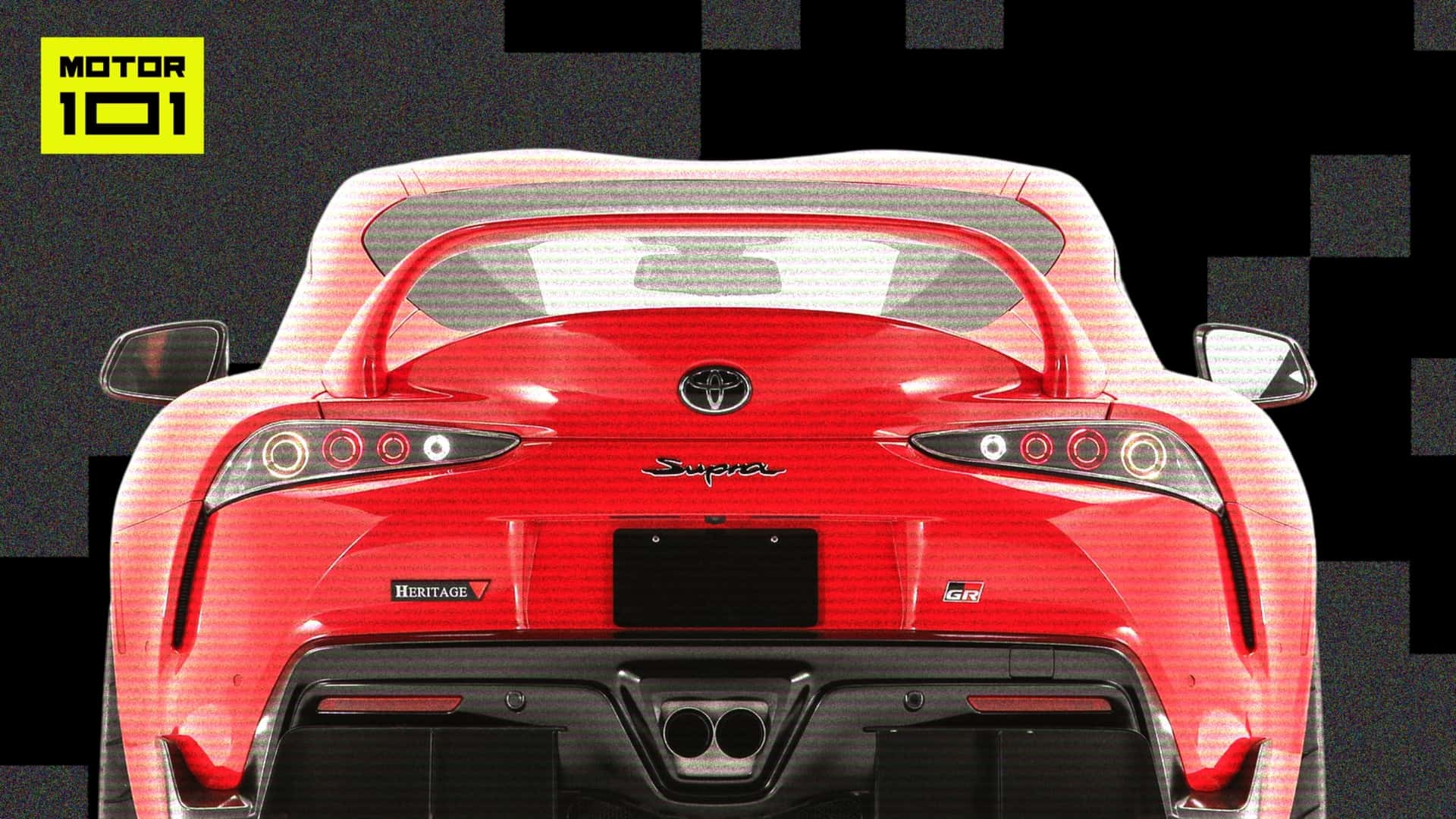
After a long hiatus, Toyota reintroduced the Supra in 2019 with the A90 generation. The new model stirred controversy due to its close collaboration with BMW. The A90 shares its chassis and engine (BMW’s B58 straight-six) with the BMW Z4, leading to accusations of being more German than Japanese.
Despite the criticism, the A90 is a capable sports car, praised for its handling and performance. Toyota eventually addressed the biggest complaint by offering a manual transmission in later models. Production of the A90 is set to end in 2026, leaving enthusiasts wondering what the future holds.
What’s Next?
Rumors suggest the next Supra (Mk6) could be a mid-engined hybrid with around 500 horsepower. While unconfirmed, this speculation highlights Toyota’s continued ambition for the Supra nameplate. The car has gone from being a simple Celica spin-off to a cultural icon, and its evolution is far from over.
The Toyota Supra’s story is a testament to the power of engineering, cultural impact, and the enduring appeal of a well-executed sports car. From its humble origins to its modern revival, the Supra remains a symbol of automotive passion and innovation.