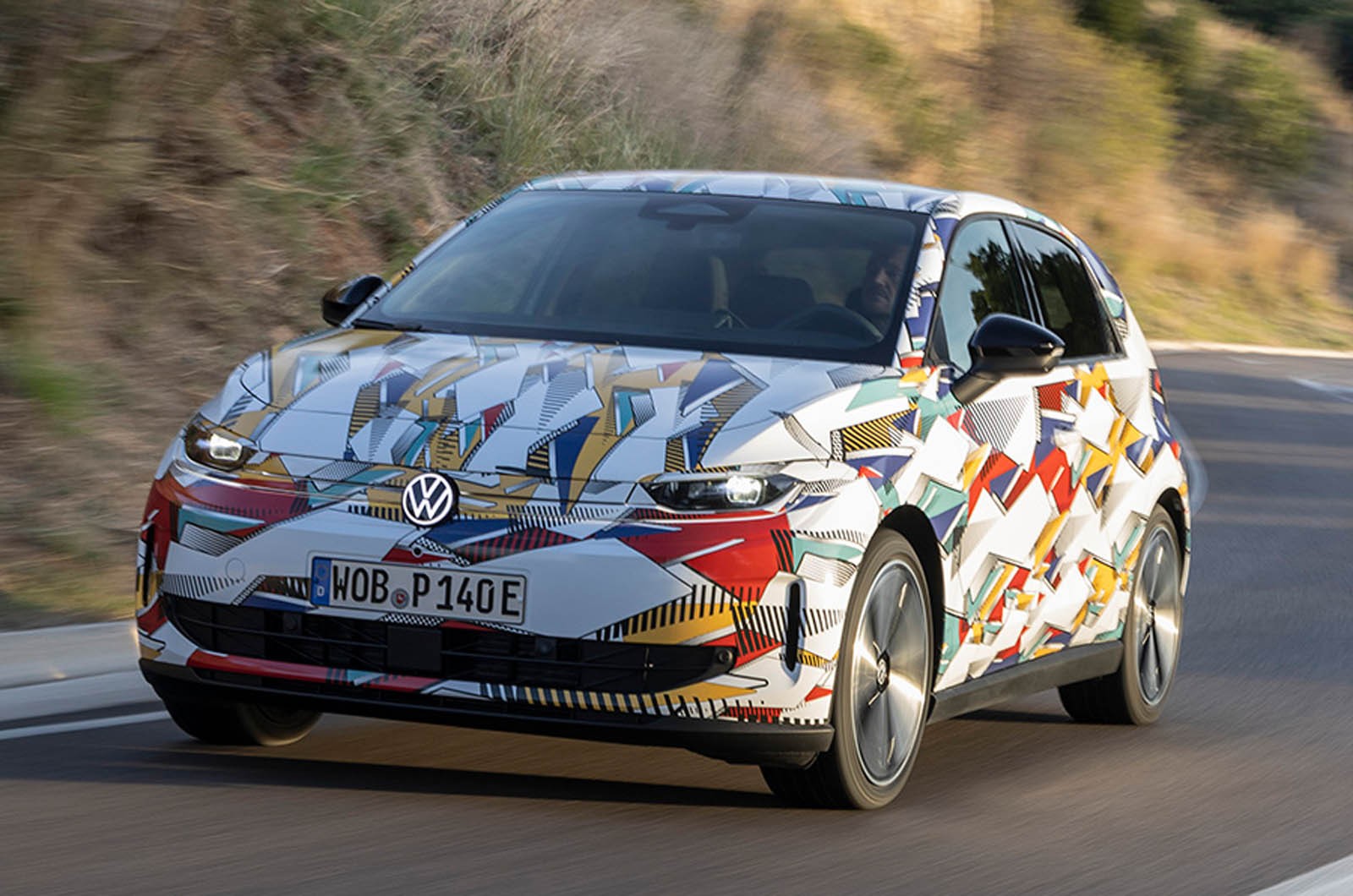
Volkswagen is preparing to enter the competitive small EV market with the ID Polo, a crucial model built on the new MEB+ platform shared with sister cars like the Cupra Raval. This move is significant because it brings Volkswagen’s mainstream brands into a rapidly growing segment dominated by rivals such as the Renault 5, Mini Cooper, and Kia EV3.
Shared Roots, Distinct Identity
To accelerate development and cut costs, Cupra took the lead in platform and chassis engineering for the MEB Entry EVs (including the ID Polo, ID Cross, and Skoda Epiq). All four models will be produced at the Seat plant in Martorell, Spain.
Despite these shared components, Volkswagen insists the ID Polo isn’t just a rebadged Raval. The company claims that key parameters for the chassis were set by Volkswagen to ensure its unique handling, with specific suspension tuning, refinement, and styling designed in Wolfsburg.
Engineered by Fans, For Fans
The team behind the ID Polo includes self-described Volkswagen enthusiasts who deliberately infused the car with the brand’s core qualities. The design closely mirrors the ID 2all concept, featuring recognizable Volkswagen design cues like chunky C-pillars and wheel arches.
The engineers focused on balancing practicality with a driving experience that feels authentically Volkswagen. The suspension, featuring MacPherson struts up front and a multi-link rear with passive dampers, delivers impressive isolation and rides smoothly over bumps—a level of refinement rare in small EVs. Steering is direct, power delivery is smooth, and the handling is predictable, leaning towards familiar front-drive understeer.
A Mature Driving Experience
The ID Polo isn’t designed to be thrilling, but rather pleasingly fun. The standard model provides a solid all-around experience, while the upcoming GTI version with 223bhp will offer further performance tuning. Even in its base form, the ID Polo is expected to compete directly with rivals like the Renault 5 in terms of price (starting around £22,000) and size.
A short test drive near Barcelona confirmed a potential real-world range of 230-250 miles, though official figures are still pending. The ID Polo blends maturity, poise, and practicality, making it a reassuringly solid choice among a crowded field of small EVs.
Feels Familiar, Drives Like a VW
Perhaps the most striking aspect of the ID Polo is how seamlessly it transitions from the gasoline-powered Polo. The lack of engine noise is the only real giveaway—otherwise, the driving experience is remarkably similar.
Volkswagen’s ID Polo delivers the brand’s classic feel, poise, and maturity, making it a strong contender in the small EV market. It blends a pleasing driving experience with decent practicality and a reassuringly solid feel.